Front chest
Typically 4–8 in
Collar clearance, armhole seam, and pocket proximity are common constraints.
A T-shirt is not just a white panel. Collar, sleeve seam, side seam, hem, label, and garment fit all affect what a rhinestone map can cover. Plan the placement from the garment first, then the artwork.
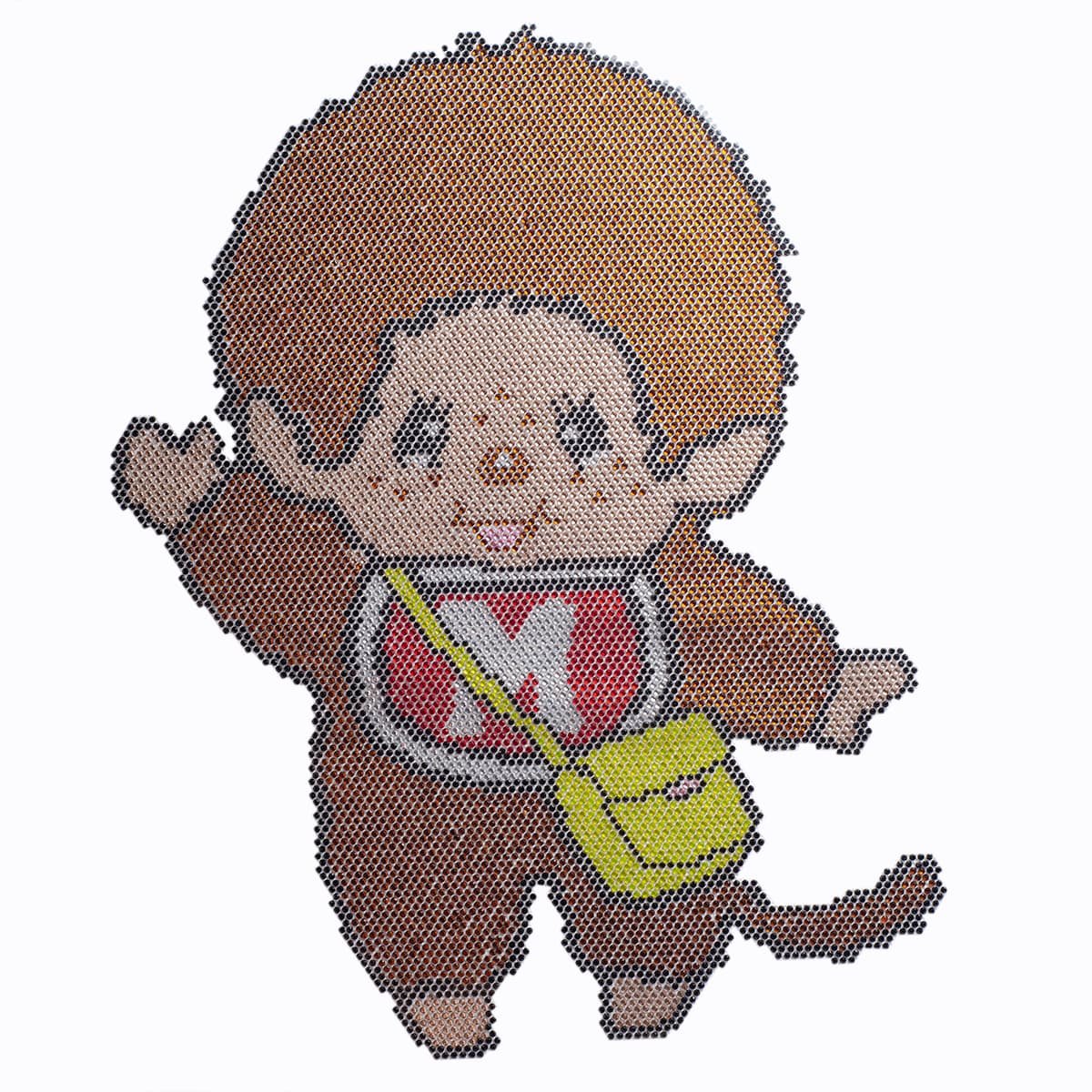
Item-specific recorded catalog reference. Current terms confirmed in the written quote.
Each T-shirt zone — front chest, full front, back yoke, sleeve — has different usable dimensions, seam distances, and press-access requirements. Name the zone before finalizing the transfer size.
Typically 4–8 in
Collar clearance, armhole seam, and pocket proximity are common constraints.
Typically 10–14 in
Hem, side seam, and press platen dimensions must be measured before committing to size.
Typically 12–16 in
Back yoke seam, label, and armhole clearance affect usable area.
Typically 2–4 in wide
Sleeve taper, seam, and press-platen access limit the workable region.
Size ranges above are orientation only — not production specifications or minimums. The approved artwork, garment, and written quote control every order.
| Garment factor | Why it matters | What to provide |
|---|---|---|
| Fiber content | Affects heat tolerance and adhesion of the transfer. | State the full fiber blend (e.g. 100% cotton, 50/50 CVC). |
| Knit construction | Single jersey vs. piqué vs. rib respond differently. | Identify the face fabric and surface texture. |
| Base color | Dark garments can affect stone appearance and carrier visibility. | Provide the actual garment or a Pantone/swatch reference. |
| Finish or treatment | Water-repellent, enzyme wash, or print coatings can affect bonding. | List all applied finishes or treatments. |
| Weight | Affects platen access and fabric response under heat and pressure. | Provide the GSM or the representative blank. |
Each approval closes a variable that could otherwise cause a bulk correction. Complete them in sequence so the sample gate is meaningful.
There is no single standard. LCHOTFIX catalog records include references at 30 × 21 cm and 28 × 25 cm. The correct size depends on the approved graphic, the garment style and panel dimensions, viewing distance, stone mapping, and the buyer's program intent. Confirm with a dimensioned artwork review and garment diagram.
Cotton, cotton-polyester blends, and performance jersey have all been used in recorded catalog garments, but no universal fabric compatibility is promised. The receiving material must be confirmed for heat tolerance, surface, stretch, seam proximity, and color effects before a sample is approved.
Multiple colors can be requested within a single mapped design. Each color requires a confirmed stone reference, spacing rule, and alignment decision. The stone color chart and physical sample are the controlling approvals — not a screen image.
A production-representative application test is strongly recommended. Use the instructions supplied for the specific transfer construction and test them on the actual garment style, fabric, and press before releasing bulk work.
Each T-shirt zone — front chest, full front, back yoke, sleeve — has different usable dimensions, seam distances, and press-access requirements. Name the zone before finalizing the transfer size.
Collar clearance, armhole seam, and pocket proximity are common constraints.
Hem, side seam, and press platen dimensions must be measured before committing to size.
Sleeve taper, seam, and press-platen access limit the workable region.
Dark garments can affect stone appearance and carrier visibility.
Each approval closes a variable that could otherwise cause a bulk correction. Complete them in sequence so the sample gate is meaningful.