TB-CD68EEAAF29D
28 × 25 cm
DMC rhinestone
Recorded catalog MOQ: 50. Current availability and order terms require a written quote.
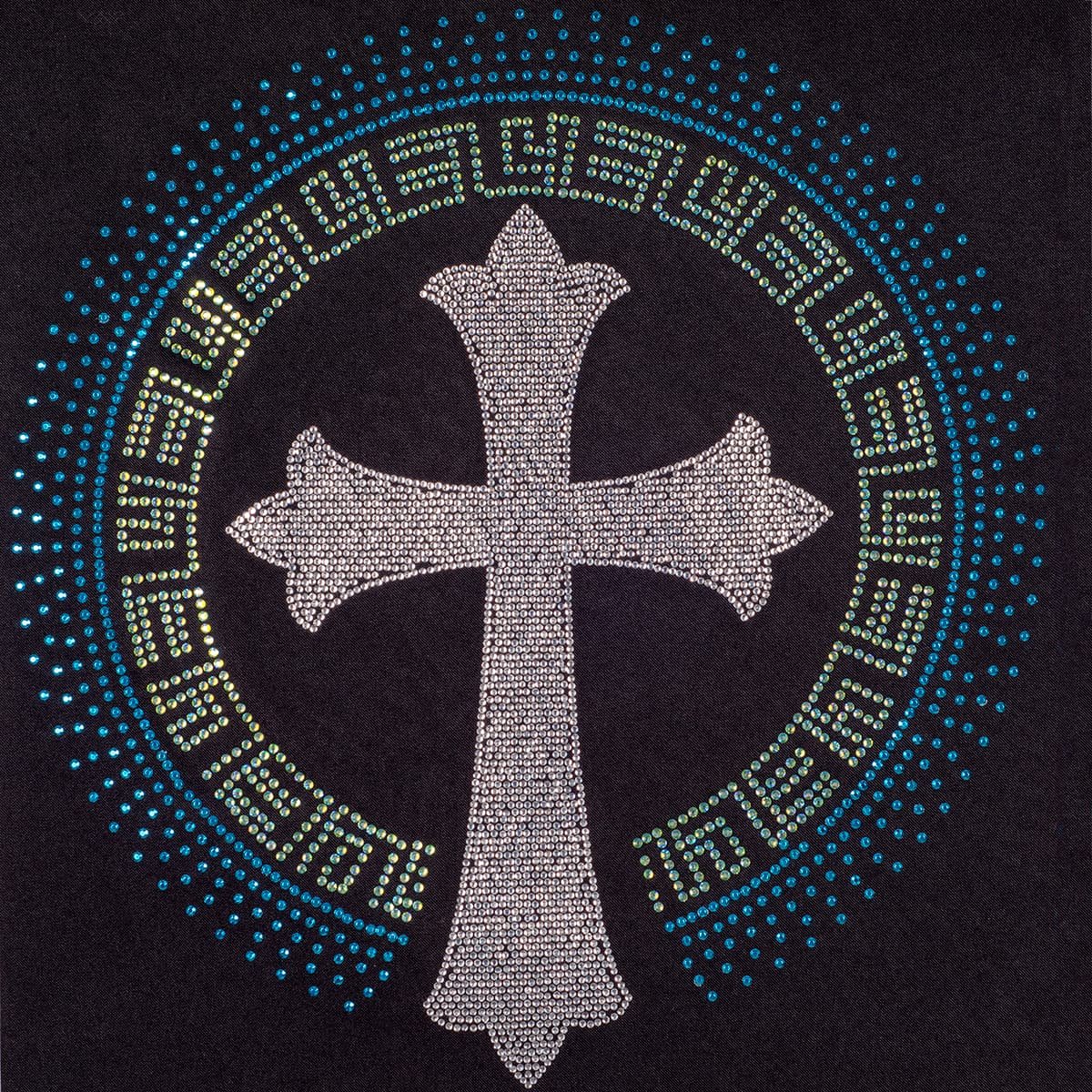
A wide or tall motif changes more than visual impact. It affects garment fit, carrier handling, packing, press compatibility, placement tolerance, and the way an operator supports the fabric. Plan those constraints before approving the map.
DMC rhinestone
Recorded catalog MOQ: 50. Current availability and order terms require a written quote.
DMC rhinestone
Recorded catalog MOQ: 50. Current availability and order terms require a written quote.
Czech rhinestone
Recorded catalog MOQ: 50. Current availability and order terms require a written quote.
Give each team the same measured specification: designer, transfer supplier, garment buyer, sample approver, press operator, quality inspector, and packing team. A nominal width alone does not coordinate the full result.
Measure the flat printable area around seams, pockets, zippers, drawcords, plackets, ribs, and panel shaping.
Confirm both motif dimensions and the handling area needed around it. Packing should protect alignment in transit.
Record the heat-platen dimensions and how the garment will be loaded. Validate the order-specific application method.
Set measurable reference points and an agreed tolerance before production so inspection is repeatable.
| Check | Why it matters | Evidence to approve |
|---|---|---|
| Scale | Changes visual balance and mapped detail. | Dimensioned artwork at final size |
| Panel fit | Seams or hardware can interrupt heat and pressure. | Measured garment diagram |
| Carrier handling | A wide sheet can shift during loading. | Approved carrier and packing method |
| Press fit | Platen coverage affects the validated operation. | Equipment dimensions and sample test |
| Placement | Small drift is more visible on a dominant motif. | Reference points and tolerance |
| Substrate | Fabric, stretch, surface, and color affect the test. | Exact approved blank or panel |
Send final-size artwork, garment specification, placement, equipment dimensions, quantity, packing, destination, and target date.
Review the proposed stone construction and any production-driven changes to fine detail or spacing.
Use the intended garment and press with the order-specific temperature, time, pressure, and peel instructions.
Check placement, adhesion, appearance, fabric response, handling, and any agreed care or durability evaluation.
Record the accepted artwork revision, sample, instructions, tolerance, and commercial documents before bulk production.
There is no single universal cutoff. LCHOTFIX catalog records include DMC references at 28 × 25 cm and 30 × 21 cm, plus a Czech rhinestone reference at 30.4 × 30.4 cm. Any custom dimension must be reviewed against the artwork, garment panel, carrier, press, packing, and application plan. For further detail, consult Large-Format Rhinestone Transfers: Prove the Press Area.
That depends on the finished transfer, carrier, heat-platen dimensions, receiving garment, and validated application instructions. Share the available press dimensions before sampling. Do not assume that a catalog size will fit or apply correctly on a particular press.
Not necessarily. Stone size and any mixed-size mapping should follow the artwork, viewing distance, detail, density, weight, and approved appearance. The quote and sample should identify the selected construction rather than relying on a general rule.
Current MOQ: 50 pieces. Several large catalog references also record a 50-piece MOQ, but those figures belong to the listed items. Mapped stone count, material, colors, dimensions, carrier, packing, sample scope, quantity, and destination affect the written quote for each order.
Recorded catalog MOQ: 50. Current availability and order terms require a written quote.
Give each team the same measured specification: designer, transfer supplier, garment buyer, sample approver, press operator, quality inspector, and packing team. A nominal width alone does not coordinate the full result.
Measure the flat printable area around seams, pockets, zippers, drawcords, plackets, ribs, and panel shaping.
Confirm both motif dimensions and the handling area needed around it. Packing should protect alignment in transit.
Record the heat-platen dimensions and how the garment will be loaded. Validate the order-specific application method.
Set measurable reference points and an agreed tolerance before production so inspection is repeatable.