Chest or centered graphic
Confirm pocket, zipper, drawcord, neckline, seam, and platen clearance.
Define the artwork, usable placement, fabric and finish, seams, press access, finished dimensions, quantity, and destination before a sample is approved.
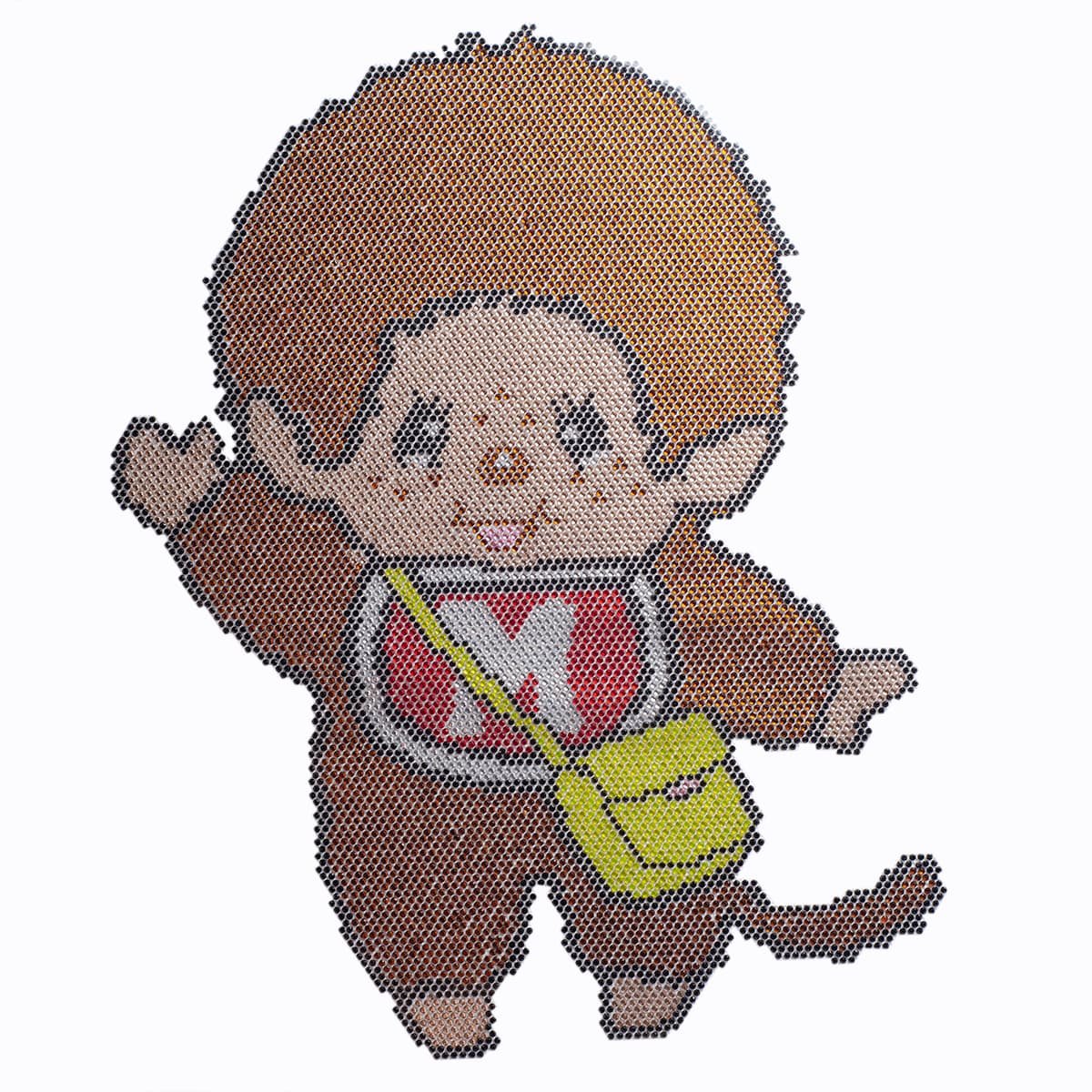
Item-specific recorded catalog reference only. Current availability and the written quote control.
A flat artwork file does not show pockets, zippers, seams, hood overlap, ribbing, or platen access. Map the transfer onto the exact hoodie style before approving size and placement.
Clear the neckline and drawcord path
Measure from fixed garment landmarks
Keep press access clear of seams
Confirm pocket, zipper, drawcord, neckline, seam, and platen clearance.
Check hood overlap, panel seams, orientation, and the usable pressed area.
Measure taper, seam position, cuff clearance, and available press support.
Confirm scale, legibility, stone layout, and distance from bulky construction.
“Hoodie” describes a garment category, not one substrate. Supply the exact fabric and finish so application and sampling can be reviewed against the intended product.
State the fiber content, knit face, brushed or unbrushed surface, and any coating.
Provide the garment specification or representative blank instead of guessing from a photo.
Mark seams, pockets, zippers, panels, ribbing, and other raised areas near placement.
Identify dye, print, wash, finish, or treatment that could affect appearance or application.
Browse the broad rhinestone transfer category and use a current catalog item code when an existing reference is relevant.
Source file, intended colors, orientation, finished dimensions, and permitted changes.
Exact hoodie style, fiber, weight, finish, size range, color, and representative sample.
Measured landmarks, usable press area, seams, pockets, hood overlap, and clearances.
Name who approves the decorated hoodie, how many blank samples are supplied, the size split, pack format, delivery market, and target dispatch date.
Use only the application instructions supplied for the exact transfer construction. Test on the intended hoodie fabric and finish with the actual production press. Record time, temperature, pressure, peel method, fabric response, carrier release, placement, and stone security.
See the production and quality page for the wider sample-to-shipment controls.
Different transfer constructions, fibers, thicknesses, finishes, colors, seams, and presses can respond differently. The supplier’s current instructions and the production-representative test control the approved setup.
Yes, subject to artwork and construction review. Send the finished dimensions, placement, hoodie fabric and finish, stone or color requirements, quantity, destination, and source artwork for feasibility and sampling.
Front chest, back, sleeve, and smaller detail placements can be reviewed, but seams, pockets, zippers, drawcords, ribbing, panel shape, and press access can affect the usable area.
There is no universal hoodie setting. Use the instructions supplied for the exact transfer construction, then test them on the intended hoodie fabric and finish with the actual production press.
A flat artwork file does not show pockets, zippers, seams, hood overlap, ribbing, or platen access. Map the transfer onto the exact hoodie style before approving size and placement. For further detail, consult Rhinestone Transfers for Hoodies: Fabric and Seam Checks.
Confirm pocket, zipper, drawcord, neckline, seam, and platen clearance.
Check hood overlap, panel seams, orientation, and the usable pressed area.
Measure taper, seam position, cuff clearance, and available press support.
Confirm scale, legibility, stone layout, and distance from bulky construction.
“Hoodie” describes a garment category, not one substrate. Supply the exact fabric and finish so application and sampling can be reviewed against the intended product.
State the fiber content, knit face, brushed or unbrushed surface, and any coating.
Add finished dimensions, fabric details, quantity, destination, target date, and any catalog reference. The current written quote confirms feasibility and terms.