Enquiry review
Describe what you want supplied: a transfer, a decorated garment or an assembled accessory. Add quantities for each selected version.
Browse photographed rhinestone transfers, decorated clothing and garment accessories, then send LCHOTFIX the item code or artwork for your wholesale project.
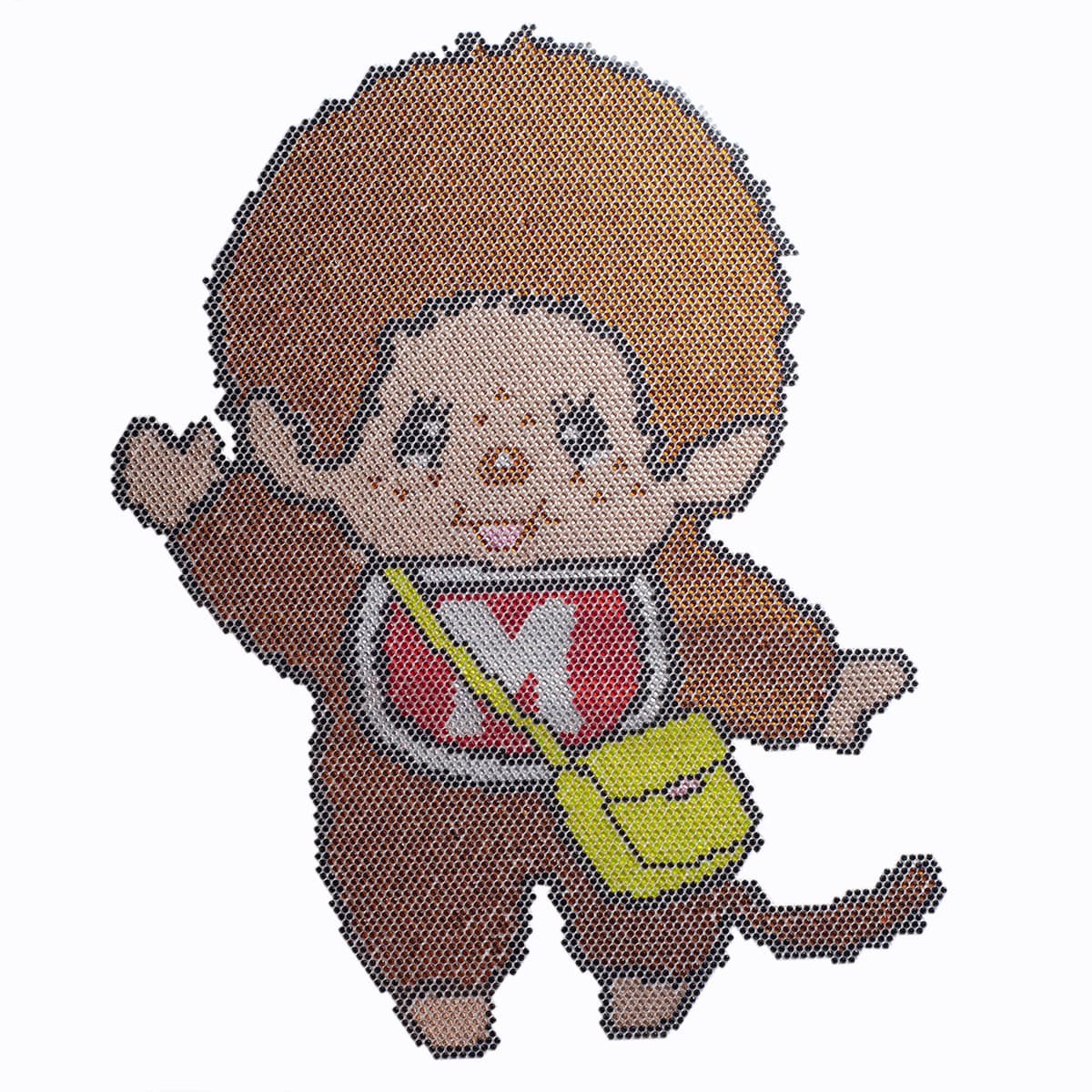
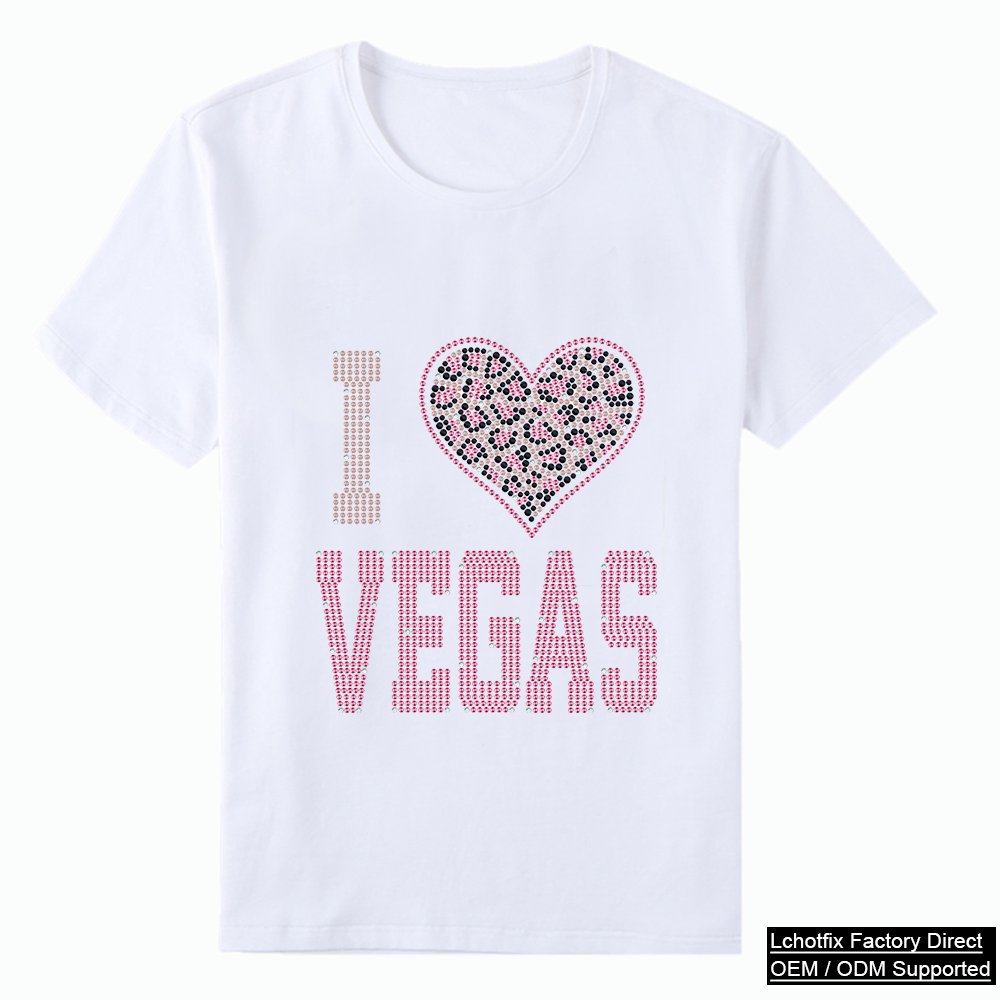
The LCHOTFIX catalog includes both decorations and finished accessories. A loose hotfix motif, a decorated cotton T-shirt and a rhinestone bag charm require different specifications, even when they share a color or design theme.
For example, TB-65107DD80631 identifies a DMC rhinestone transfer reference, while EVA-LAS-079 identifies the pictured cotton Vegas T-shirt. Use the code with your requested changes so the inquiry describes the right product and sales unit.
For a new design, attach artwork and state its finished width, receiving fabric, quantity and delivery country. The quote form accepts an optional artwork file up to 70 MB. LCHOTFIX follows up by email to resolve missing specifications and confirm the order terms.
Send the catalog code and selected image. If your design differs, mark the changed color, dimension or component on the brief.
Read the quotation against your requested quantity and destination. Check that sampling, packaging and freight are included or identified separately.
Give each revised drawing a version name. Keep the accepted stone layout or stitch proof with the sample that the order will follow.
A transfer needs an applied-fabric check; a charm also needs its ring and connector inspected. Choose checks for the actual construction.
Provide the destination country and required arrival date. Distinguish the production completion date from carrier transit and customs time.
Reply with the original item code and artwork revision when changing an inquiry. This helps connect the change to the correct product discussion.
Start with Products to compare eight families, or use Designs to examine individual examples. Product Details describes the item; Design Details provides its visual reference. Both help identify what should be included in an inquiry.
Describe what you want supplied: a transfer, a decorated garment or an assembled accessory. Add quantities for each selected version.
Supply editable artwork where available and identify the final size. Flag tiny lettering or close details that must remain readable.
State what the sample must answer: color, scale, attachment or complete assembly. Confirm its specification and dispatch arrangements in the quote.
Resolve artwork revisions before releasing the order. The final brief should identify the accepted sample, variant quantities and packing instructions.
Specify any separation needed between colors or designs. Include item labels and carton counts if your receiving team sorts products by reference.
Use the written quotation and invoice for payment milestones, delivery scope and claim handling. A catalog photograph does not set these terms.
The TPU patch pictured here is reference DG-ZK-001. A report for a different material or backing would not establish the properties of that item. Identify your exact component, destination market and intended user when requesting test documentation.
Three review checkpoints
Compare the report's sample description with the chosen item, material and backing.
Read the laboratory, report number and test scope against your purchasing requirement.
Store the accepted report and sample reference with the order's inspection instructions.

Send your artwork, quantity, destination, and specifications for a tailored quote.
FAQ
The catalog covers rhinestone transfers, decorated T-shirts, totes, charms, caps and hats, embroidery, labels and bows. Start with the relevant product family, then identify an existing item or describe the construction you want developed.
A code distinguishes similar-looking products. TB-65107DD80631 refers to a DMC rhinestone transfer, for example, while EVA-LAS-079 refers to a cotton Vegas T-shirt. Include the selected image and any requested changes alongside that code.
Product Details gives the item's recorded material, dimensions and buying information. Design Details helps you inspect its photographed appearance. Use both when deciding which version, color or decorative feature to include in your brief.
Yes. Send artwork you own or are authorized to use and describe the intended decoration, finished size and receiving garment or accessory. Quantity, delivery country and target date help define the scope for feasibility review and quotation.
Point out the uncertain detail in your inquiry, such as a charm connector, patch backing or cap closure. Request a confirming view or sample before treating that detail as part of the specification for the LCHOTFIX order.
Use the optional artwork field in the quote or contact form. It accepts the listed image, vector, document and archive formats with a 70 MB file limit. Describe the changes in the message as well, so the file and request can be read together.
Check the product version, quantities, sampling arrangements, packing, payment milestones and delivery scope. If a term differs from your inquiry, resolve it in the quotation before it becomes the basis for the production order.
A photograph shows appearance, not certification. For a LCHOTFIX compliance request, identify the exact item, material, backing and destination requirement, then check that any supplied report covers that construction and intended use.
Reply with the same product code or project name and a clear artwork revision. State what changed and which earlier instruction it replaces, particularly when the change affects stone colors, dimensions, attachment or variant quantities.
Use the Contact page or email elva@lchotfix.com. Include your company contact, product reference or artwork, order quantity and destination so the reply can address the specific project instead of a general catalog request.