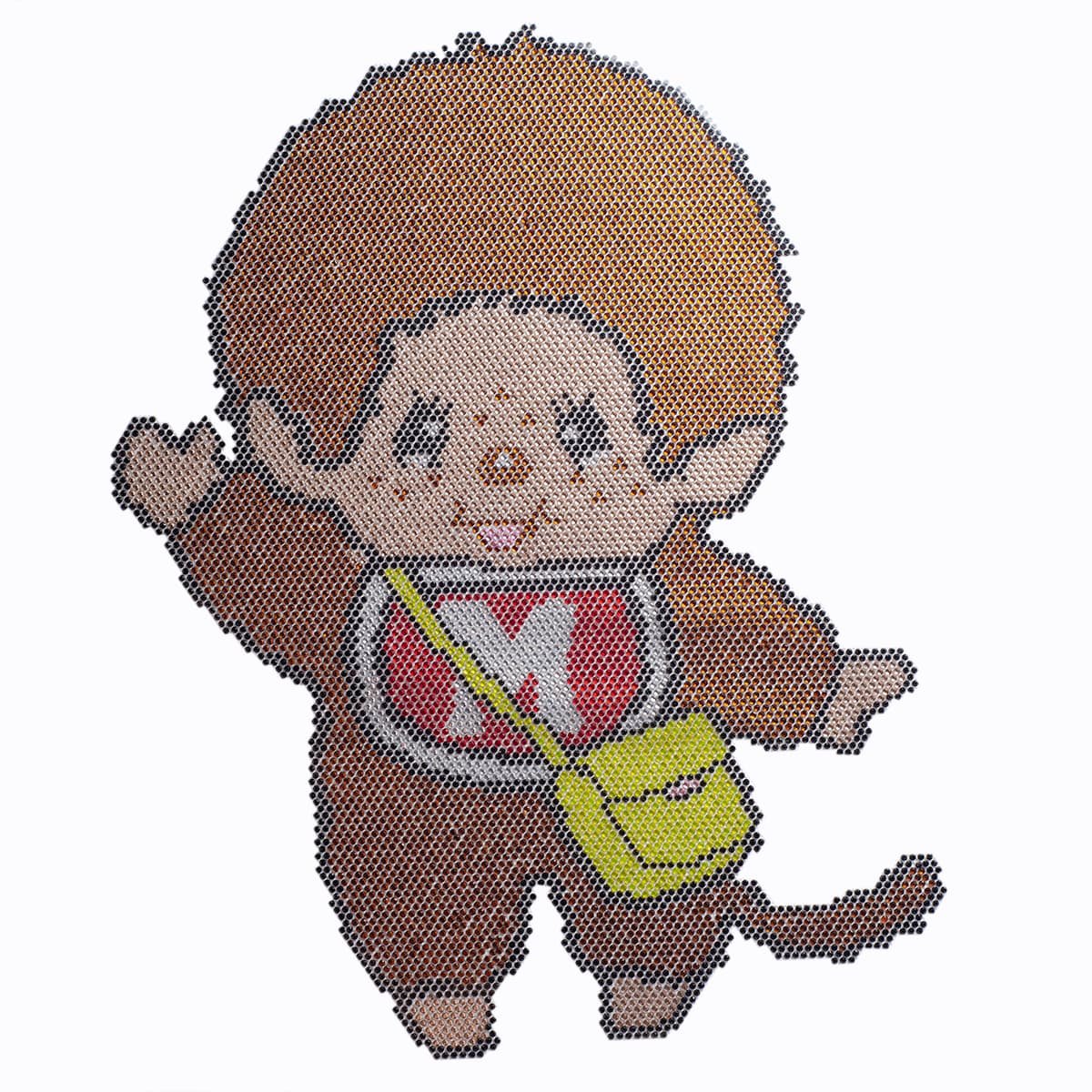
Crewneck sweatshirts and fleece-back garments require adhesion testing beyond what standard jersey programs demand. Every variable — weight, surface, placement — must be recorded in the brief and validated on a physical sample.
Weight, surface, and fiber blend — each affects adhesion and requires separate validation.
4
Placement zones
Chest, back, sleeve, and hem each have different construction and heat-press access requirements.
1
Required approval
One complete physical sample on the actual garment before any bulk production commitment.
Format comparison
Crewneck and hoodie: different decisions.
Crewneck sweatshirt
Flat placement access
The crewneck chest panel is typically flat and accessible. Even pressure is achievable across most placement sizes when confirmed on the specific garment.
No drawstring or hood bulk behind placement
Center chest access typically consistent
Ribbed cuffs and hem require separate placement testing
Fabric weight is the primary adhesion variable
Hooded sweatshirt
Hood bulk management
Hoods and kangaroo pockets create bulk behind the placement area that affects press pressure. Confirm access to the front panel with and without the hood folded.
Hood must be removed from the press area or padded
Kangaroo pocket seam near placement must be noted
Drawstring and eyelets may restrict press access
See dedicated hoodie transfers guide for full detail
Fiber content, fabric weight in GSM, surface texture (smooth, brushed, or looped), and any coating. Each affects adhesion.
Placement zone
Chest, back yoke, left chest, sleeve, or hem. Note distance from all seams, pockets, and construction features.
Heat-press access
Confirm whether the placement area is accessible flat. Note any pocket, hood, or seam bulk that could affect press pressure.
Design and stone map
Send a production-scale motif you are permitted to reproduce, with stone sizes, color locations, and an outline of the area it must cover on the sweatshirt.
Sample requirement
State sample quantity, whether you supply blank garments, and the approval criteria required before bulk release.
Quantity and packing
Total units, size breakdown, packing format (polybag, carton, pre-hung), destination, and required ship date.
Sweatshirt program FAQ
Common questions answered.
Are rhinestone transfers suitable for fleece sweatshirt fabric?
Fleece and French terry sweatshirt fabrics can accept rhinestone transfers, but the looped or brushed surface requires adhesion testing on the actual garment. Application temperature, pressure, and dwell time must be validated on the specific fabric weight before bulk production.
Does sweatshirt fabric thickness affect heat-press application?
Yes. Thick fleece-back sweatshirts may require longer dwell times or higher pressure to achieve consistent adhesion through the fabric. The heat-press setup approved on a sample must document the exact fabric weight and settings used.
Can rhinestone transfers be applied near sweatshirt seams or pockets?
Placement near seams, pockets, or waist bands requires confirmation that the heat press can apply consistent pressure across the placement area. Uneven surfaces produce inconsistent adhesion. Note all construction features near the planned placement in your brief.
What is the minimum order for sweatshirt rhinestone transfers?
Current MOQ: 50 pieces. A sweatshirt quote needs the blank's fabric weight and surface, chest or sleeve placement, physical motif size, stone palette, size mix, and packing choice. Approve the decorated sweatshirt before treating the price as a production specification.
What should I check about flat placement access before ordering Rhinestone Transfers for Sweatshirts?
The crewneck chest panel is typically flat and accessible. Even pressure is achievable across most placement sizes when confirmed on the specific garment.
What should I check about hood bulk management before ordering Rhinestone Transfers for Sweatshirts?
Hoods and kangaroo pockets create bulk behind the placement area that affects press pressure. Confirm access to the front panel with and without the hood folded.
What should I check about fabric specification before ordering Rhinestone Transfers for Sweatshirts?
Fiber content, fabric weight in GSM, surface texture (smooth, brushed, or looped), and any coating. Each affects adhesion.
What should I check about placement zone before ordering Rhinestone Transfers for Sweatshirts?
Chest, back yoke, left chest, sleeve, or hem. Note distance from all seams, pockets, and construction features.
What should I check about heat-press access before ordering Rhinestone Transfers for Sweatshirts?
Confirm whether the placement area is accessible flat. Note any pocket, hood, or seam bulk that could affect press pressure.
What should I check about design and stone map before ordering Rhinestone Transfers for Sweatshirts?
Send a production-scale motif you are permitted to reproduce, with stone sizes, color locations, and an outline of the area it must cover on the sweatshirt.