01
Shell fabric
Nylon, polyester, wax cotton, bonded, and coated shells each have different heat tolerances. Confirm the fiber and finish before heat testing.
Jackets introduce shell fabrics, lining, padding, waterproof finishes, and heavy hardware. Every one of those variables must be resolved before a transfer map or stone selection is approved.
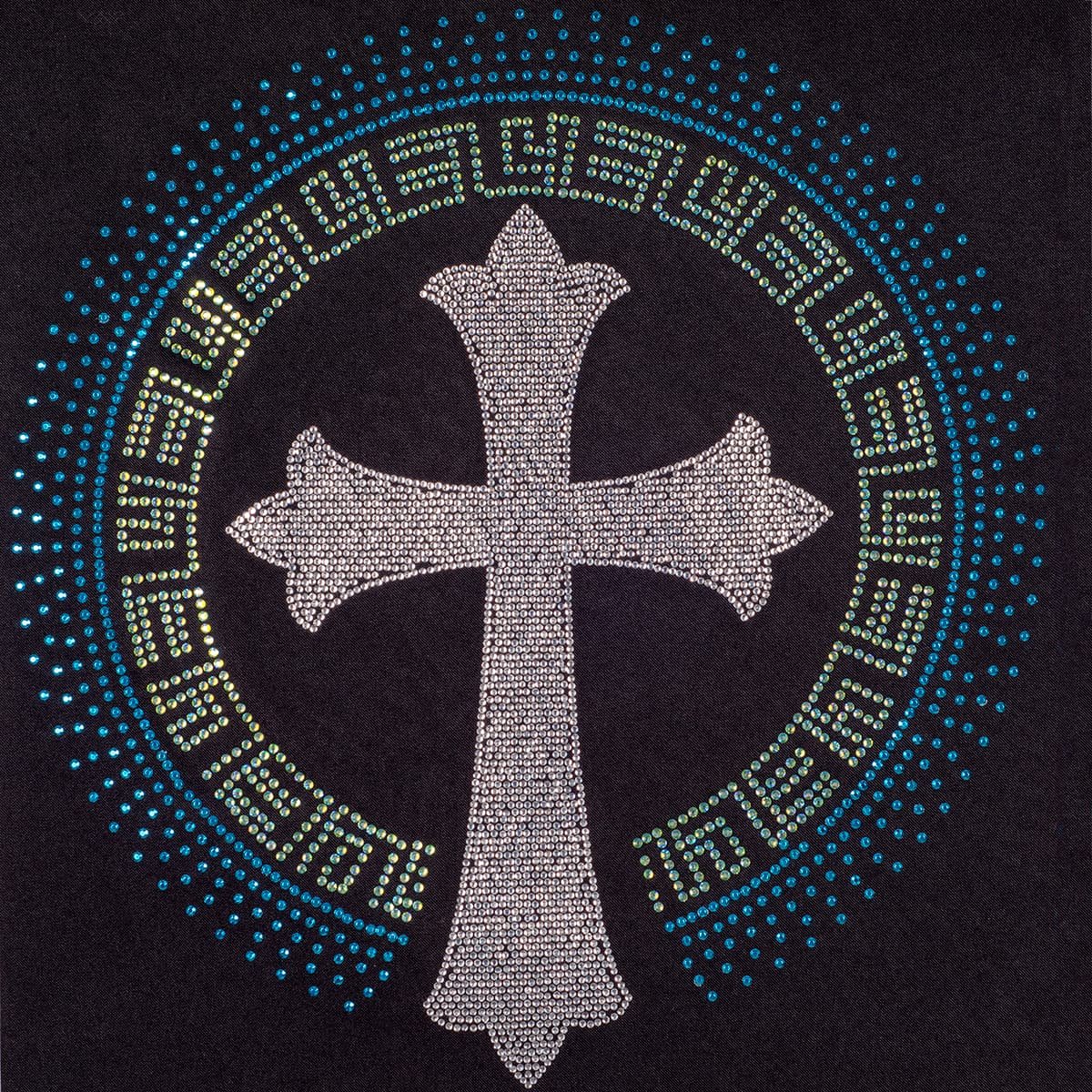
Catalog record for reference only. Current MOQ: 50 pieces; dimensions, material, and application requirements are confirmed in the written quote.
Each constraint below changes what is possible in stone count, placement, carrier handling, and application method. Identify them before requesting a quote.
Nylon, polyester, wax cotton, bonded, and coated shells each have different heat tolerances. Confirm the fiber and finish before heat testing.
Quilting or foam padding creates an uneven pressing surface. A foam pad or shaped platen insert may be required to deliver even heat and pressure.
DWR and similar coatings can reduce adhesion or fail under heat. The coating manufacturer's heat limits and adhesion characteristics must be checked.
Zippers, snaps, buttonholes, welted pockets, and seam ridges interrupt a flat platen press. Map the usable area around all hardware.
Outerwear care protocols — dry cleaning, re-proofing, machine washing — must be checked against the approved transfer adhesion before bulk.
Most common large-motif zone. Confirm yoke seam, liner attachment, and usable flat area.
Zip, pocket, or branding zone. State the available area between zipper pull and armhole seam.
Taper, seam, cuff hardware, and press access limit available motif width significantly.
High hardware density and narrow press access; confirm feasibility before artwork mapping.
Jacket applications carry higher risk than plain jersey because of shell, finish, and hardware variables. The sample path below is not optional for outerwear programs.
Send the shell fabric, finish, coating, and any liner or pad that sits under the placement.
A measured drawing showing the zone, seam distances, hardware, and usable area.
Use supplier-issued instructions with the actual jacket, press, and platen.
Inspect under representative conditions: lighting, movement, garment color.
Retain the approved sample, instructions, and commercial documents before bulk.
Subject to fabric review. Jacket materials — nylon, polyester shell, quilted liners, bonded fabrics, water-repellent finishes — require individual heat and adhesion testing before any production run. Send the exact material specification and coating details for assessment.
Back panel, chest left or right, sleeve, and collar areas are commonly cited in briefs, but the usable area in each zone is defined by the jacket's construction — zippers, seams, lining, padding, and press-platen access all create real constraints.
Padded or quilted jackets may require special platens, foam padding, or pressing techniques to maintain even heat and pressure. Validate application instructions on the intended jacket before bulk production.
A production-representative test on the actual jacket — not a similar-looking fabric — is strongly recommended before committing to bulk. Record the press settings, peel method, and appearance result against the approved transfer specification.
Each constraint below changes what is possible in stone count, placement, carrier handling, and application method. Identify them before requesting a quote.
Nylon, polyester, wax cotton, bonded, and coated shells each have different heat tolerances. Confirm the fiber and finish before heat testing.
Quilting or foam padding creates an uneven pressing surface. A foam pad or shaped platen insert may be required to deliver even heat and pressure.
DWR and similar coatings can reduce adhesion or fail under heat. The coating manufacturer's heat limits and adhesion characteristics must be checked.
Zippers, snaps, buttonholes, welted pockets, and seam ridges interrupt a flat platen press. Map the usable area around all hardware.
Outerwear care protocols — dry cleaning, re-proofing, machine washing — must be checked against the approved transfer adhesion before bulk.
Catalog images on this page show rhinestone motif examples — not jacket decoration approvals. The current written quote and approved sample control every order.