Multi-colour shift
The AB coating refracts light into multiple colors simultaneously. The visible color changes as the observer moves or the light source changes angle.
Aurora Borealis rhinestones shift colour with the viewing angle and lighting. Every AB program must be approved on the actual garment under the intended lighting — screen rendering cannot capture the iridescent shift.
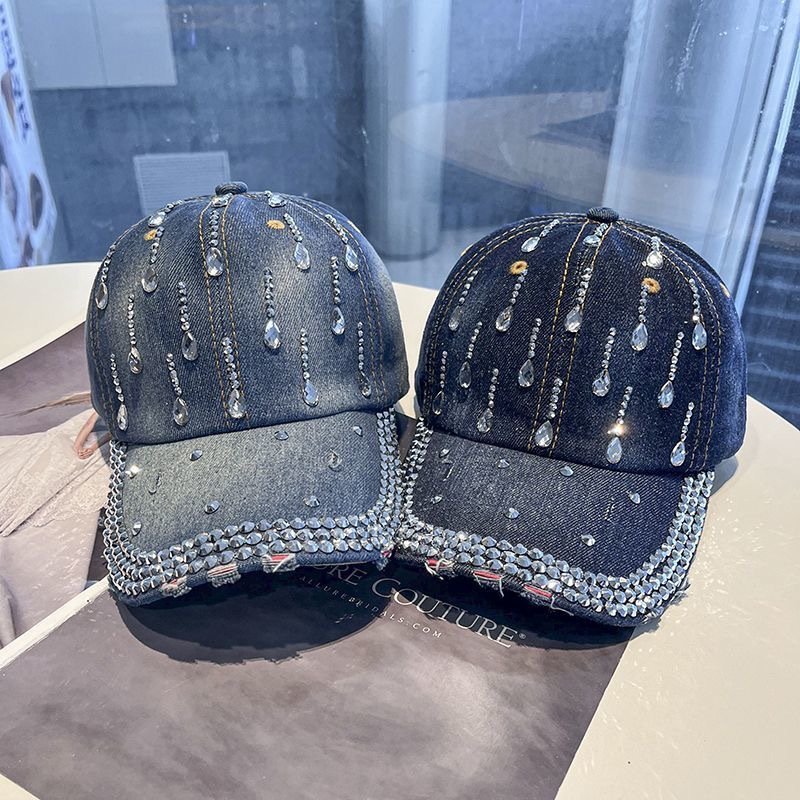
The AB coating is applied to the stone surface after faceting. It produces an iridescent multi-colour shift that changes as the viewing angle changes. The base stone can be clear, colored, or metallic — the AB effect is layered on top.
The AB coating refracts light into multiple colors simultaneously. The visible color changes as the observer moves or the light source changes angle.
AB stones behave differently under stage, LED, fluorescent, and natural light. Approve under the intended primary lighting for the garment's use context.
The garment color beneath the stone influences how the AB shift reads. Dark and light bases produce visually different results with the same AB stone.
AB stones under stage lighting produce maximum iridescent shift. Strong colour separation between zones. Often used in performance and costume programs.
Modern LED retail lighting intensifies the AB effect at close range. Works well for display-oriented products.
Sunlight produces a broad, neutral AB shift. The effect is visible but less dramatic than stage or LED conditions.
Older fluorescent lighting reduces the AB shift intensity. Garments primarily viewed under fluorescent light may appear less iridescent than expected.
A screen image, catalog photo, or digital rendering does not capture the AB shift. Physical sample approval under the intended lighting is the only reliable method before bulk.
| Characteristic | AB Stone | Standard Clear |
|---|---|---|
| Light behavior | Iridescent multi-colour shift | Single white light reflection |
| Garment base sensitivity | High — base color changes AB appearance | Lower — reads white light on most bases |
| Lighting dependency | Very high — changes significantly by light type | Lower — consistent across most indoor light |
| Screen-to-sample accuracy | Low — iridescence cannot be captured digitally | Higher — closer to physical result |
| Best use context | Stage, LED retail, fashion/performance | General apparel, team, and uniform programs |
| Sample approval requirement | Critical — must be under intended lighting | Standard — garment and placement confirmation |
AB stands for Aurora Borealis — an iridescent coating applied to the stone surface that produces a multi-colour light shift effect. The AB effect changes significantly depending on the lighting angle, the garment color beneath the stone, and the viewing distance. Physical sampling under the intended lighting is required before production approval.
AB-coated rhinestones can be incorporated into heat transfer layouts. The AB coating is on the stone surface — it does not affect the carrier film or adhesion method. Confirm the AB stone reference from the current stone chart before submitting artwork, as AB coating intensity varies across stone sizes and types.
Yes. The AB iridescent shift reads differently against dark and light garment bases. On dark fabrics, the AB shift produces strong colour contrast. On white or light fabrics, the shift appears softer and the stone may read more as a general shimmer. Approve on the actual garment color.
Yes. Mixed AB and clear stone layouts in one transfer are possible. Each zone must reference the correct stone type and the boundary between AB and standard stones must be confirmed in the approved artwork map. Mixed-stone transfers require sample approval of the complete design.
The AB coating is applied to the stone surface after faceting. It produces an iridescent multi-colour shift that changes as the viewing angle changes. The base stone can be clear, colored, or metallic — the AB effect is layered on top.
The AB coating refracts light into multiple colors simultaneously. The visible color changes as the observer moves or the light source changes angle.
AB stones behave differently under stage, LED, fluorescent, and natural light. Approve under the intended primary lighting for the garment's use context.
The garment color beneath the stone influences how the AB shift reads. Dark and light bases produce visually different results with the same AB stone.
AB stones under stage lighting produce maximum iridescent shift. Strong colour separation between zones. Often used in performance and costume programs.
Modern LED retail lighting intensifies the AB effect at close range. Works well for display-oriented products.