Private-label program

Private-Label Apparel Accessories: Brand System Planning

Plan private-label apparel accessories with variant control, packaging brief, product samples, and brand approvals.

Buyer perspective

Private-label accessories can span several materials and use cases, yet the customer should encounter one coherent brand. Consistency comes from controlled artwork, color, packaging, and product identification—not simply placing the same logo on every item.

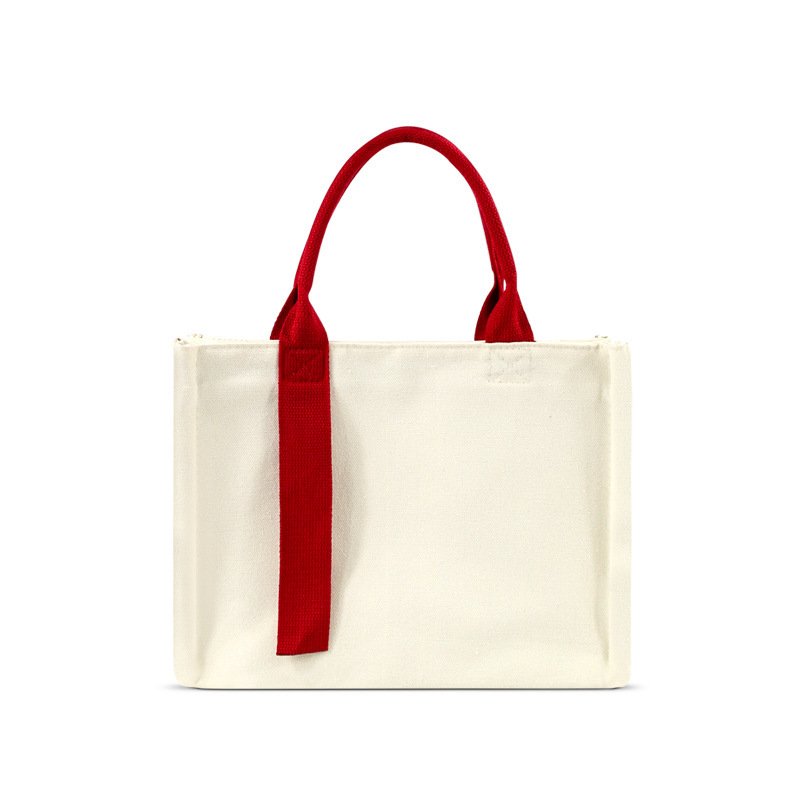
Customizable apparel-accessory reference
Product reference image; confirm your own artwork, material, and placement in a sample.

What to decide

Build a brief that can be tested

Define the brand layer

List where the identity appears: on the product, hangtag, packing, or shipping carton. Provide final logo assets and color references. Mark any information required by your sales channel or destination market for separate verification.

Approve item by item

A badge, label, bag, and charm each require different construction checks. Keep their physical samples and packaging proofs separate even when they share a visual system. The packing proof should identify item, colorway, and units per pack so a mixed order can be received without guessing what is inside.

Control mixed orders

Use a SKU matrix for material, dimensions, artwork version, quantity, and packing unit. Require a new approval when an item changes substrate or attachment, even if its visible logo remains similar. Name the revision and approval owner for each product, decoration and packaging component, and retain the accepted sample with its SKU record. Obtain current service and quote confirmation for every branded component rather than assuming all requested services are included.

Options

Separate brand rules from product rules

A private-label range needs consistency, but identical execution on every material can weaken the product. Distinguish fixed identity from item-specific construction.

Fixed brand layer

Approved logo proportions, naming, color references, and customer-facing tone should remain controlled across the range.

Variable product layer

Decoration method, attachment, scale, and packaging format should be selected for each actual accessory.

Verified market layer

Check labeling or safety requirements for the destination market and product type without assuming one template covers all items.

Build an item-level specification beneath the brand guide; neither document replaces the other.

Bring to the inquiry

  • Brand artwork files
  • SKU and colorway matrix
  • Product and packaging samples
  • Destination and packing brief
Wholesale Inquiry

Request a Bulk Quote

Send your artwork, quantity, destination, and specifications for a tailored quote.

By submitting, you agree to our privacy policy.

FAQ

Common questions

How should buyers define the brand layer for Private-Label Apparel Accessories: Brand System Planning?

List where the identity appears: on the product, hangtag, packing, or shipping carton. Provide final logo assets and color references. Mark any information required by your sales channel or destination market for separate verification. For further detail, consult Boutiques and Small Labels: Build a Focused Embellishment Range.

How should buyers approve item by item for Private-Label Apparel Accessories: Brand System Planning?

A badge, label, bag, and charm each require different construction checks. Keep their physical samples and packaging proofs separate even when they share a visual system. The packing proof should identify item, colorway, and units per pack so a mixed order can be received without guessing what is inside. For further detail, consult Apparel Brands: Build a Repeatable Embellishment Brief.

What should I check about control mixed orders when using Private-Label Apparel Accessories: Brand System Planning?

Use a SKU matrix for material, dimensions, artwork version, quantity, and packing unit. Require a new approval when an item changes substrate or attachment, even if its visible logo remains similar.

How should buyers separate brand rules from product rules for Private-Label Apparel Accessories: Brand System Planning?

A private-label range needs consistency, but identical execution on every material can weaken the product. Distinguish fixed identity from item-specific construction.

What should I check about fixed brand layer when using Private-Label Apparel Accessories: Brand System Planning?

Approved logo proportions, naming, color references, and customer-facing tone should remain controlled across the range.

What should I check about variable product layer when using Private-Label Apparel Accessories: Brand System Planning?

Decoration method, attachment, scale, and packaging format should be selected for each actual accessory.

What should I check about verified market layer when using Private-Label Apparel Accessories: Brand System Planning?

Check labeling or safety requirements for the destination market and product type without assuming one template covers all items.

Which approval decision should a Private-Label Apparel Accessories: Brand System Planning quote record?

A cohesive collection does not require identical decoration techniques. Choose the construction that suits each item while preserving the approved brand rules.

What does the Private-Label Apparel Accessories: Brand System Planning B2B brief help a wholesale buyer decide?

Plan private-label apparel accessories with variant control, packaging brief, product samples, and brand approvals.

How should a private-label apparel-accessory brief define the buyer's version?

Prepare brand artwork files, SKU and colorway matrix, product and packaging samples, and destination and packing brief. A cohesive collection does not require identical decoration techniques. Choose the construction that suits each item while preserving the approved brand rules. The related Wholesale Rhinestone Transfers & Accessories page provides the next sourcing reference.

Contact Us