For independent retailers

Boutiques and Small Labels: Build a Focused Embellishment Range

Plan a focused embellishment assortment for boutiques with clear samples, variant limits, and reorder evidence.

Buyer perspective

A boutique collection can stand out through a few deliberate details rather than a large set of similar motifs. The buyer needs enough variety to express the brand while keeping samples, sizes, and reorders manageable. Start from the garments customers will actually handle and try on.

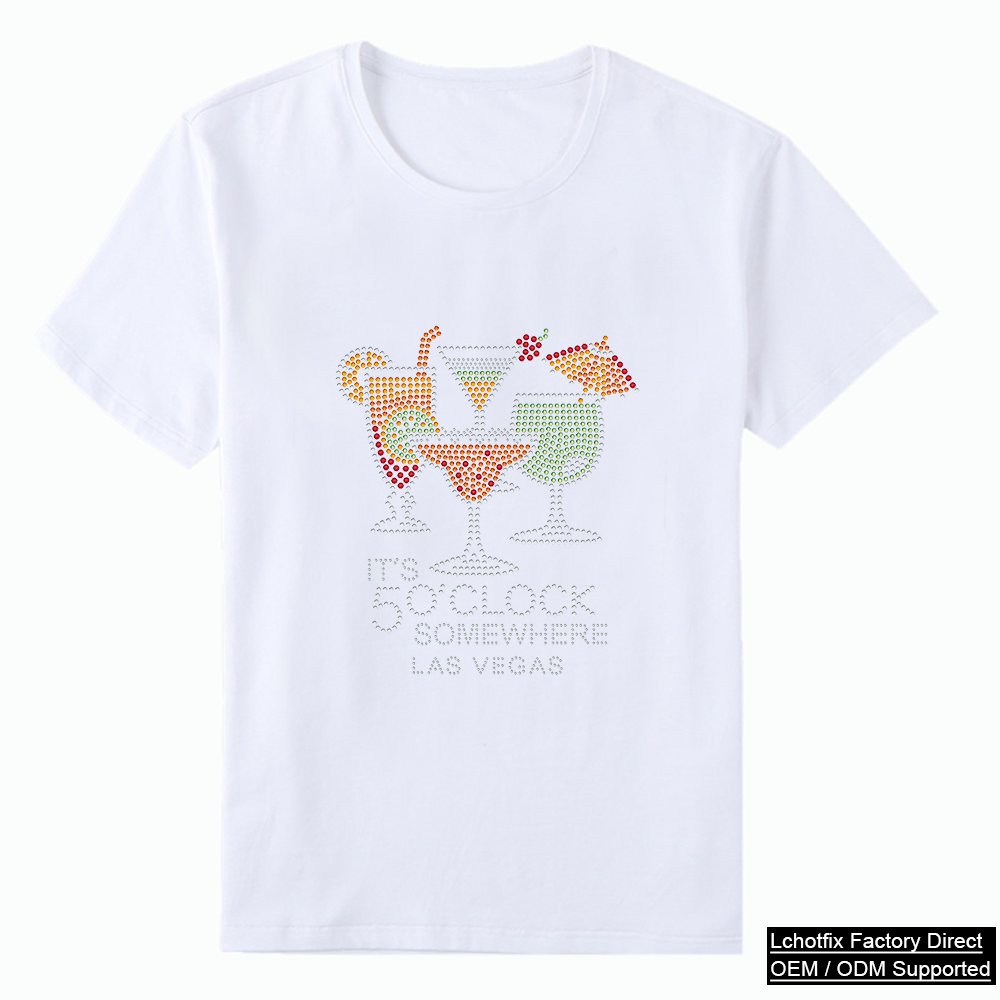
Decorated apparel reference for boutique assortment planning
Product reference image; confirm your own artwork, material, and placement in a sample.

What to decide

Build a brief that can be tested

Specification 01

Choose hero pieces

Identify the garment or accessory where embellishment creates the clearest difference. Test color contrast, hand feel, and placement on that item before expanding to more styles. A close-up image may overstate the effect on a worn garment.

Specification 02

Keep variants readable

List each artwork, garment color, size, and decoration version as a separate line. Avoid multiplying small variations before learning which looks resonate with buyers. Keep an approved physical sample for each sellable combination.

Specification 03

Plan the next buy

Track which item was tested, what customers saw, and what needs alteration. Ask for current order minimums and timing for the specific replenishment mix rather than assuming a small trial can be repeated under identical terms.

Options

Choose a focused launch mix

A small label can test a signature embellishment without multiplying nearly identical products. Compare launch roles before ordering more variants.

Hero item

One decorated garment or accessory carries the strongest brand story and deserves a fully approved sample.

Supporting item

A second product should complement the hero rather than repeat its motif without a new customer use.

Replenishment candidate

Keep a stable specification for any item expected to return after the first selling period.

A compact range with documented samples can be easier to learn from than a large untested colorway spread.

Bring to the inquiry

  • Core garment and customer use
  • Artwork and colorway matrix
  • Decorated sample
  • Trial quantities and destination
Wholesale Inquiry

Request a Bulk Quote

Send your artwork, quantity, destination, and specifications for a tailored quote.

By submitting, you agree to our privacy policy.

FAQ

Common questions

How should buyers choose hero pieces for Boutiques and Small Labels: Build a Focused Embellishment Range?

Identify the garment or accessory where embellishment creates the clearest difference. Test color contrast, hand feel, and placement on that item before expanding to more styles. A close-up image may overstate the effect on a worn garment.

How should buyers keep variants readable for Boutiques and Small Labels: Build a Focused Embellishment Range?

List each artwork, garment color, size, and decoration version as a separate line. Avoid multiplying small variations before learning which looks resonate with buyers. Keep an approved physical sample for each sellable combination.

How should buyers plan the next buy for Boutiques and Small Labels: Build a Focused Embellishment Range?

Track which item was tested, what customers saw, and what needs alteration. Ask for current order minimums and timing for the specific replenishment mix rather than assuming a small trial can be repeated under identical terms.

How should buyers choose a focused launch mix for Boutiques and Small Labels: Build a Focused Embellishment Range?

A small label can test a signature embellishment without multiplying nearly identical products. Compare launch roles before ordering more variants.

What should I check about hero item before ordering Boutiques and Small Labels: Build a Focused Embellishment Range?

One decorated garment or accessory carries the strongest brand story and deserves a fully approved sample.

What should I check about supporting item before ordering Boutiques and Small Labels: Build a Focused Embellishment Range?

A second product should complement the hero rather than repeat its motif without a new customer use.

What should I check about replenishment candidate before ordering Boutiques and Small Labels: Build a Focused Embellishment Range?

Keep a stable specification for any item expected to return after the first selling period.

Which approval decision should a Boutiques and Small Labels: Build a Focused Embellishment Range quote record?

Invest first in a coherent signature detail and a documented sample. Expand the range only when each added variant has a clear customer purpose.

What does the Boutiques and Small Labels: Build a Focused Embellishment Range B2B brief help a wholesale buyer decide?

Plan a focused embellishment assortment for boutiques with clear samples, variant limits, and reorder evidence.

How can a small label define a focused embellishment range before sampling?

Prepare core garment and customer use, artwork and colorway matrix, decorated sample, and trial quantities and destination. Invest first in a coherent signature detail and a documented sample. Expand the range only when each added variant has a clear customer purpose. The related Wholesale Rhinestone Transfers & Accessories page provides the next sourcing reference.

Contact Us