Translate the design system
Provide approved logos, typography, colors, and intended visual hierarchy. State which elements must be identical across products and which may adapt to size or construction.
Coordinate apparel embellishments with brand standards, garment samples, launch approvals, and reorder records.
Buyer perspective
A brand's embellishment program is judged across a collection, not one close-up. Transfers, patches, labels, and decorated accessories should relate to the same design language while meeting different garment constraints. A repeatable brief lets creative and production teams make those decisions together.
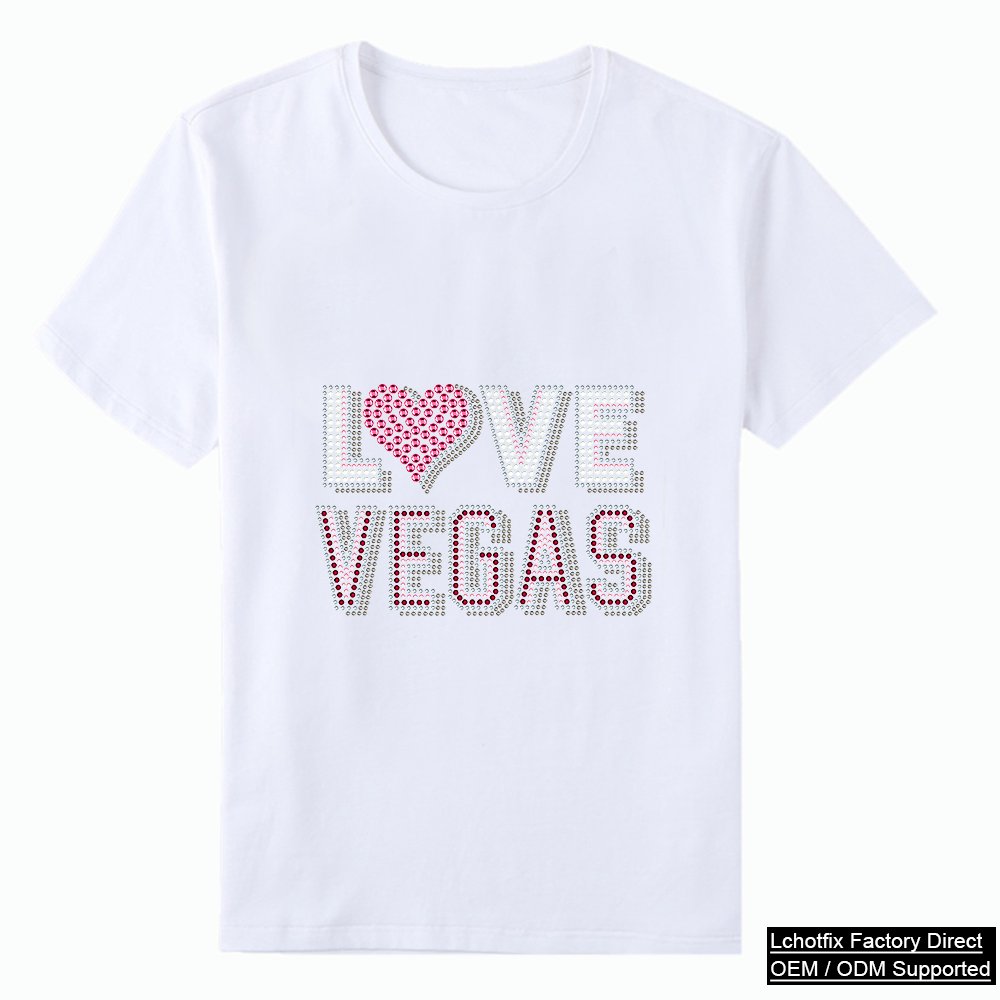
What to decide
Provide approved logos, typography, colors, and intended visual hierarchy. State which elements must be identical across products and which may adapt to size or construction.
Test on the exact blanks and fabrics planned for sale. Review appearance while worn, care behavior, and placement on the smallest and largest sizes. A motif approved on one style does not cover every style in the range.
Save artwork revisions, sample photographs, garment identifiers, and inspection results. That record helps distinguish a deliberate design evolution from an accidental change on a later purchase.
Approval gate
Creative approval, production approval, and replenishment approval answer different questions. Keep them separate so a beautiful mockup is not mistaken for a tested sellable garment.
Confirm visual hierarchy, color, and intended placements across the collection.
Inspect each decorated blank on-body, through relevant care, and across the meaningful size range.
Lock artwork versions, substrate identifiers, and physical samples before ordering replenishment.
Assign an owner and accepted evidence to each gate; an unanswered item remains a development question, not an approved SKU.
Send your artwork, quantity, destination, and specifications for a tailored quote.