Detail 01
One visual system
Choose a single alphabet family for one program so the letters share base color, crystal language, edge treatment, and perceived weight.
Turn one sparkling letter into a repeatable personalization offer. Select a coherent alphabet, forecast initial demand, approve the receiving product, and protect replenishment consistency with a documented style code and character ledger.
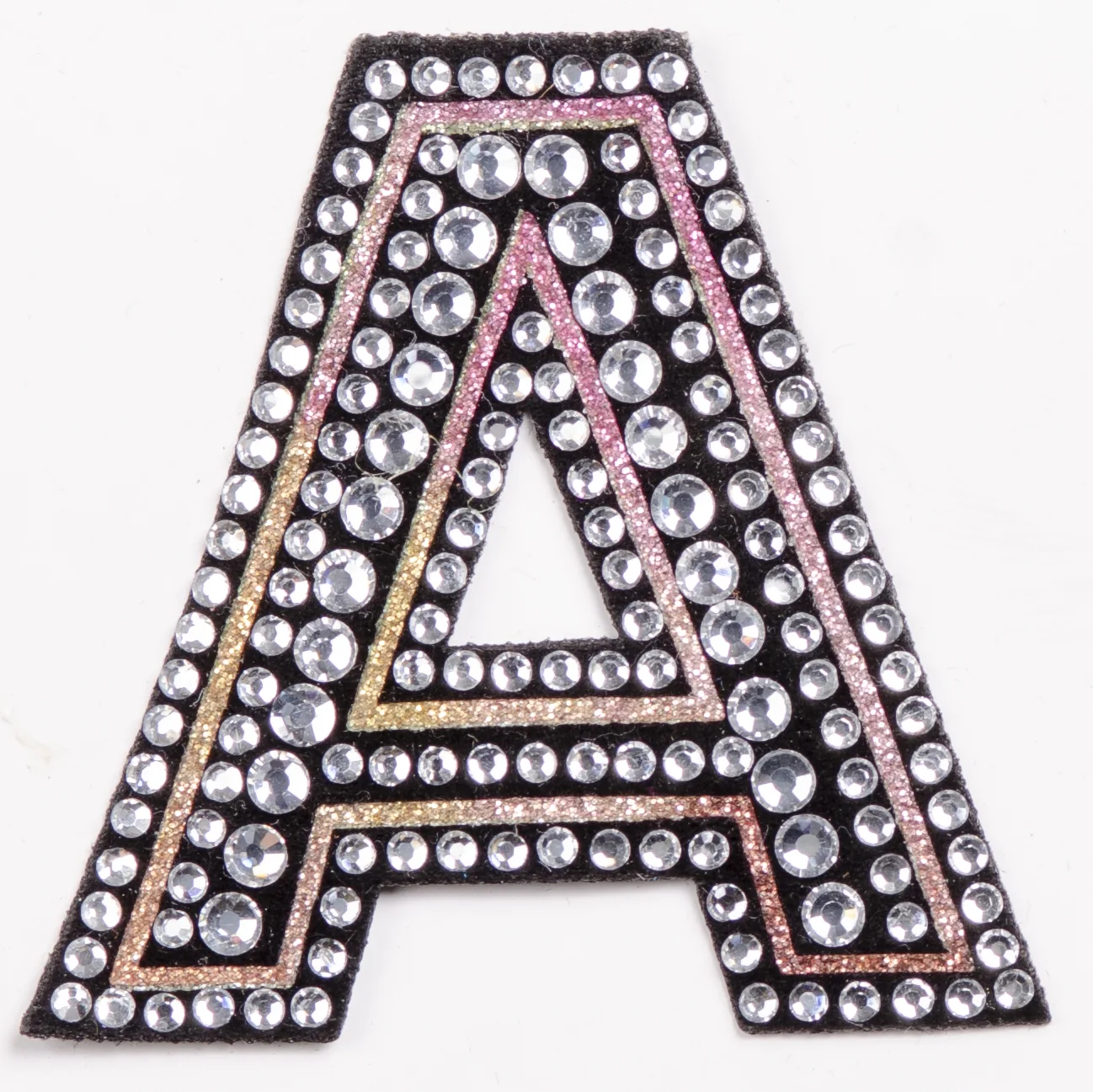
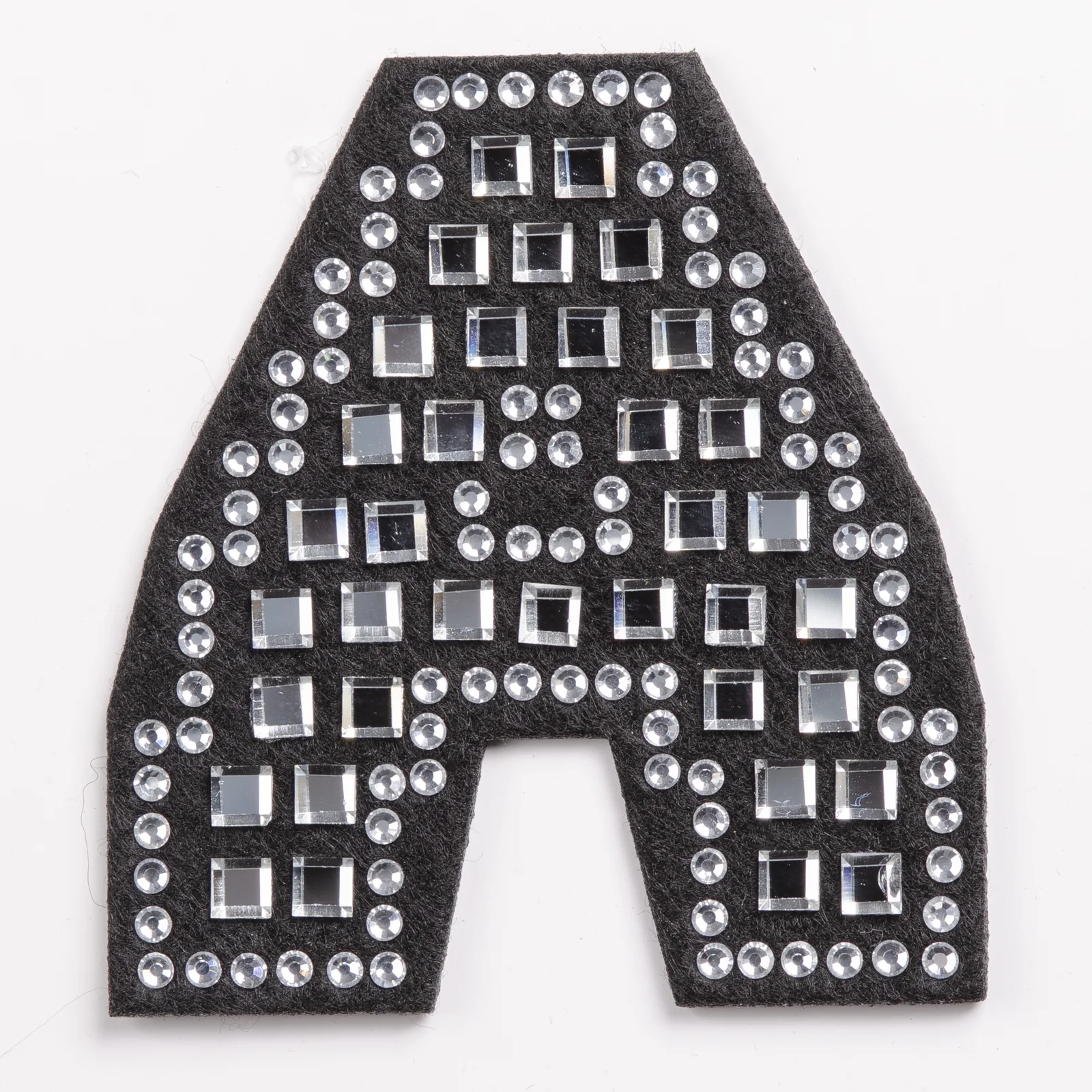
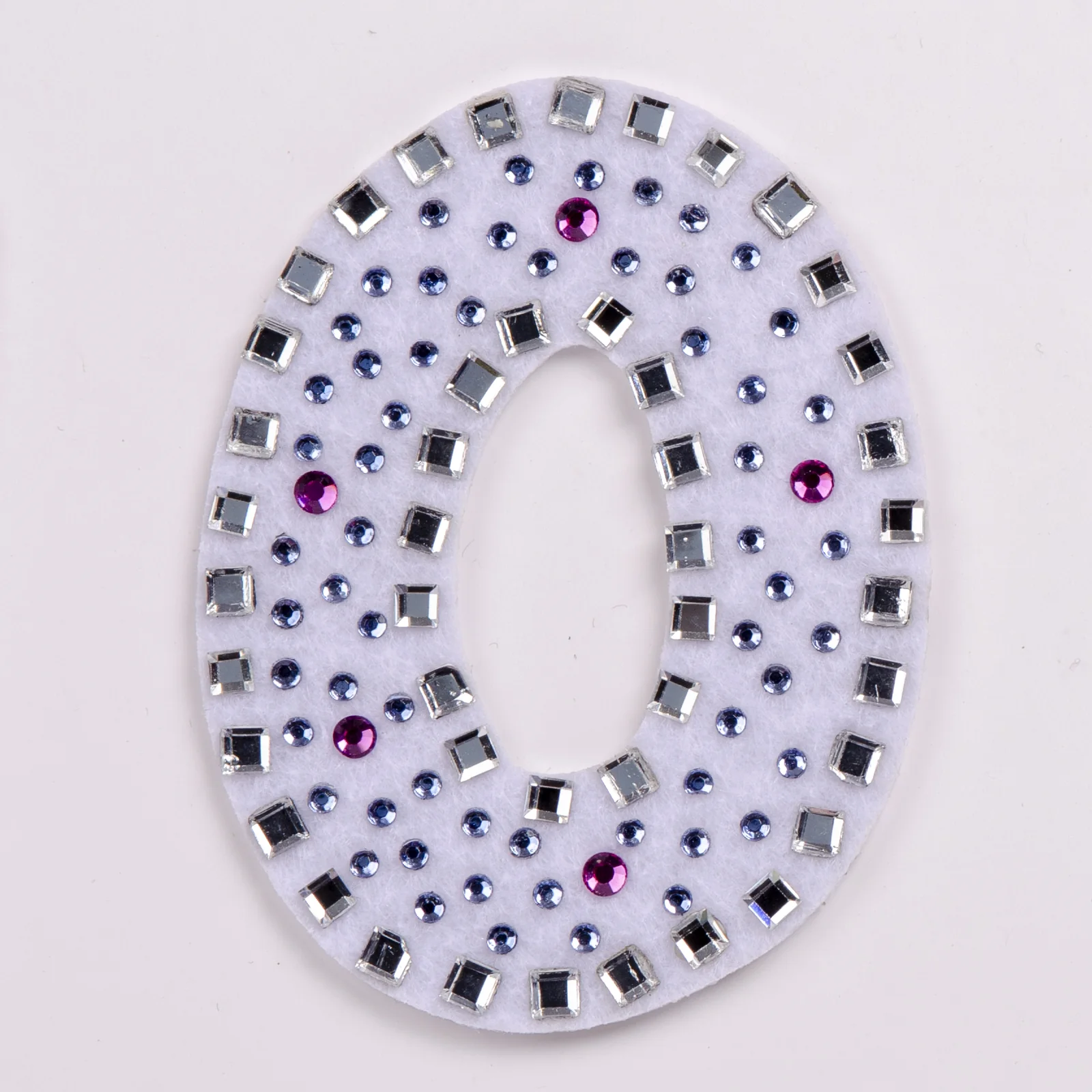
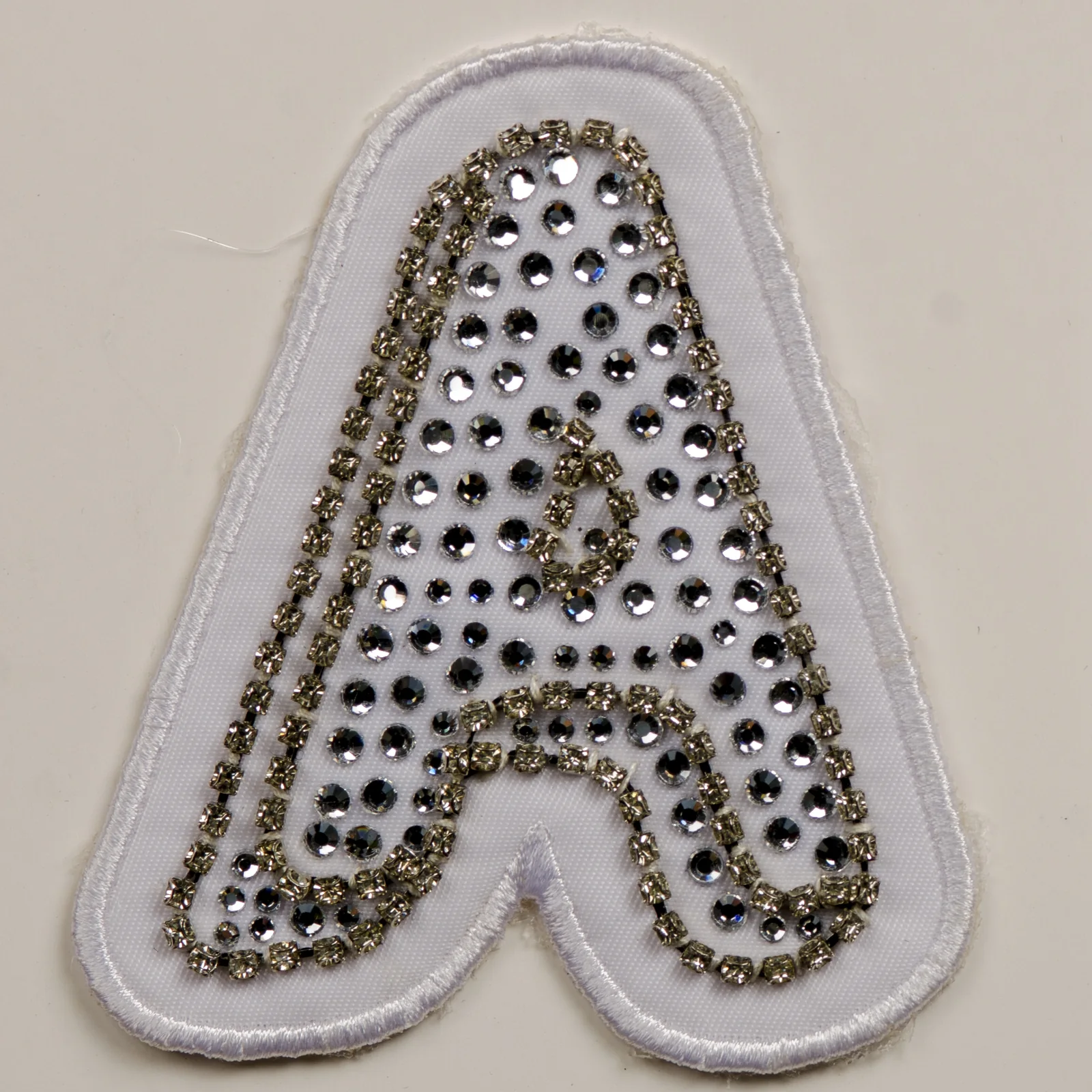
Choose a single alphabet family for one program so the letters share base color, crystal language, edge treatment, and perceived weight.
Initial frequency is not uniform. Build purchasing ratios from real orders, reservations, or credible customer data instead of equal A-to-Z quantities.
Store the catalog code, approved sample, photography, crystal reference, backing details, and packing labels for future replenishment comparison.
Hold popular characters and attach them only after the customer chooses a garment or accessory.
Collect recipient initials early, lock spelling, and preserve a replacement allowance before packing personalized units.
Use member initials as coordinated identifiers while keeping placement and attachment uniform.
Forecast attendee selections, control inventory at the personalization station, and reconcile unused characters.
Compare black, white, crystal-grid, outline, and sew-on appearances on the intended merchandise.
Create a letter-by-letter table whose combined quantity begins at the current MOQ of 50 pieces and includes a reasoned buffer.
Approve sample attachment, operator instructions, inventory labels, customer choice rules, and replenishment records.
Yes, an initial program can use one approved alphabet construction across many characters. The request must identify quantities for each letter and meet the current MOQ of 50 pieces for the quoted program.
The best choice depends on contrast, crystal geometry, edge treatment, attachment route, product construction, and brand direction. Compare physical samples rather than choosing from keyword descriptions alone.
Use customer history, regional name data, preorder demand, or a controlled pilot. Apply a higher buffer to frequent initials and a smaller test quantity to low-confidence characters while keeping totals explicit.
A buyer-owned or authorized type treatment can be reviewed separately. Supply editable artwork, intended use, required characters, ownership confirmation, and a complete quantity plan for feasibility and quotation.
A geometric black option combines square inner stones with a round crystal perimeter.
Choose a single alphabet family for one program so the letters share base color, crystal language, edge treatment, and perceived weight.
Initial frequency is not uniform. Build purchasing ratios from real orders, reservations, or credible customer data instead of equal A-to-Z quantities.
Store the catalog code, approved sample, photography, crystal reference, backing details, and packing labels for future replenishment comparison.
Hold popular characters and attach them only after the customer chooses a garment or accessory.
Collect recipient initials early, lock spelling, and preserve a replacement allowance before packing personalized units.
A useful request identifies the exact product family, required characters, quantity per character, receiving item, target placement, destination, and date. Current MOQ: 50 pieces; the written quote confirms the assortment and current terms.