Detail 01
Construction choice
Select black double-row, black crystal grid, cartoon motif, pink outline, white square-crystal, or embroidered white sew-on construction by reviewing the real photography.
Build names, initials, team lettering, and personalized merchandise with a verified family of crystal alphabet appliques. Compare the actual construction first, then quote the required character mix with a current MOQ of 50 pieces.
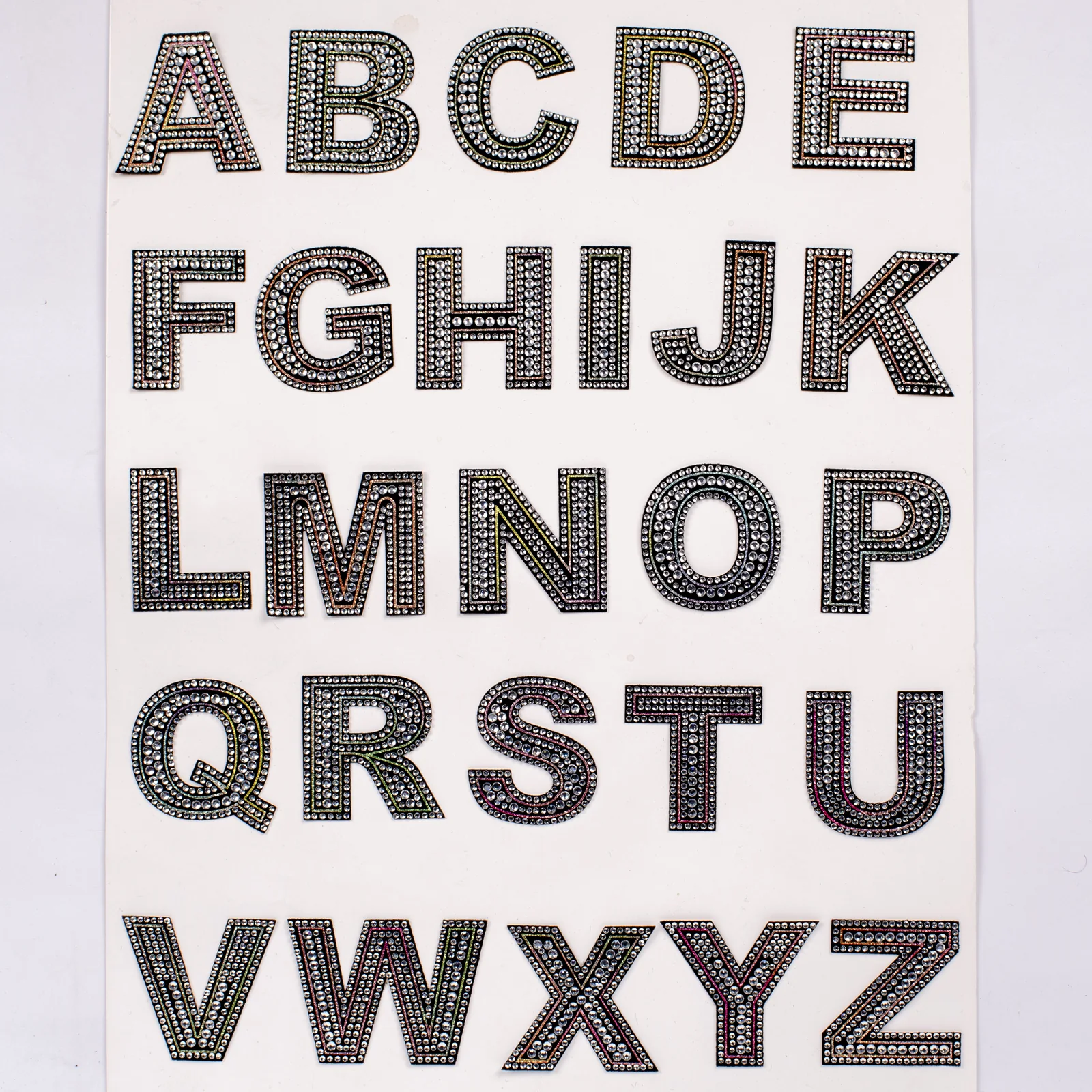
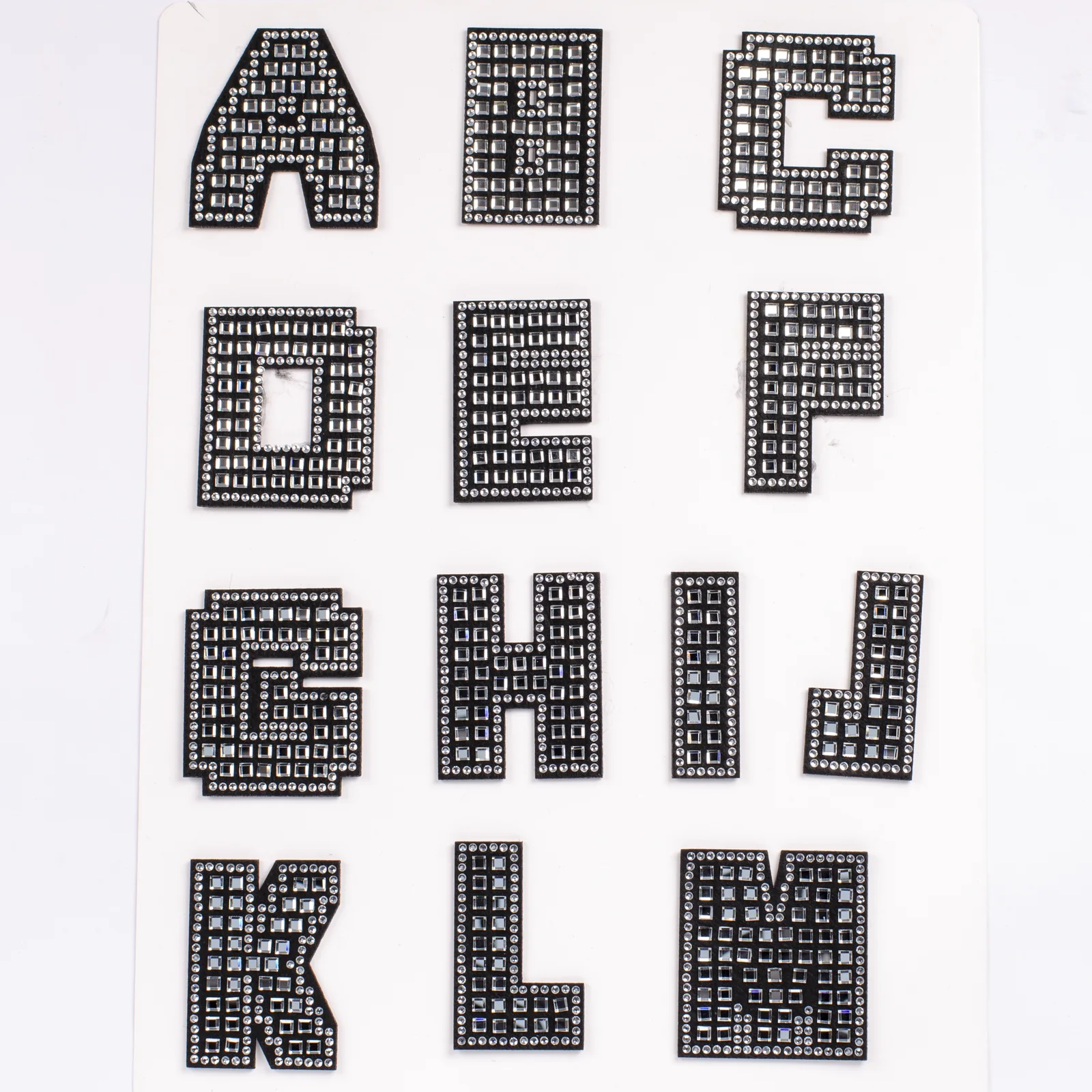
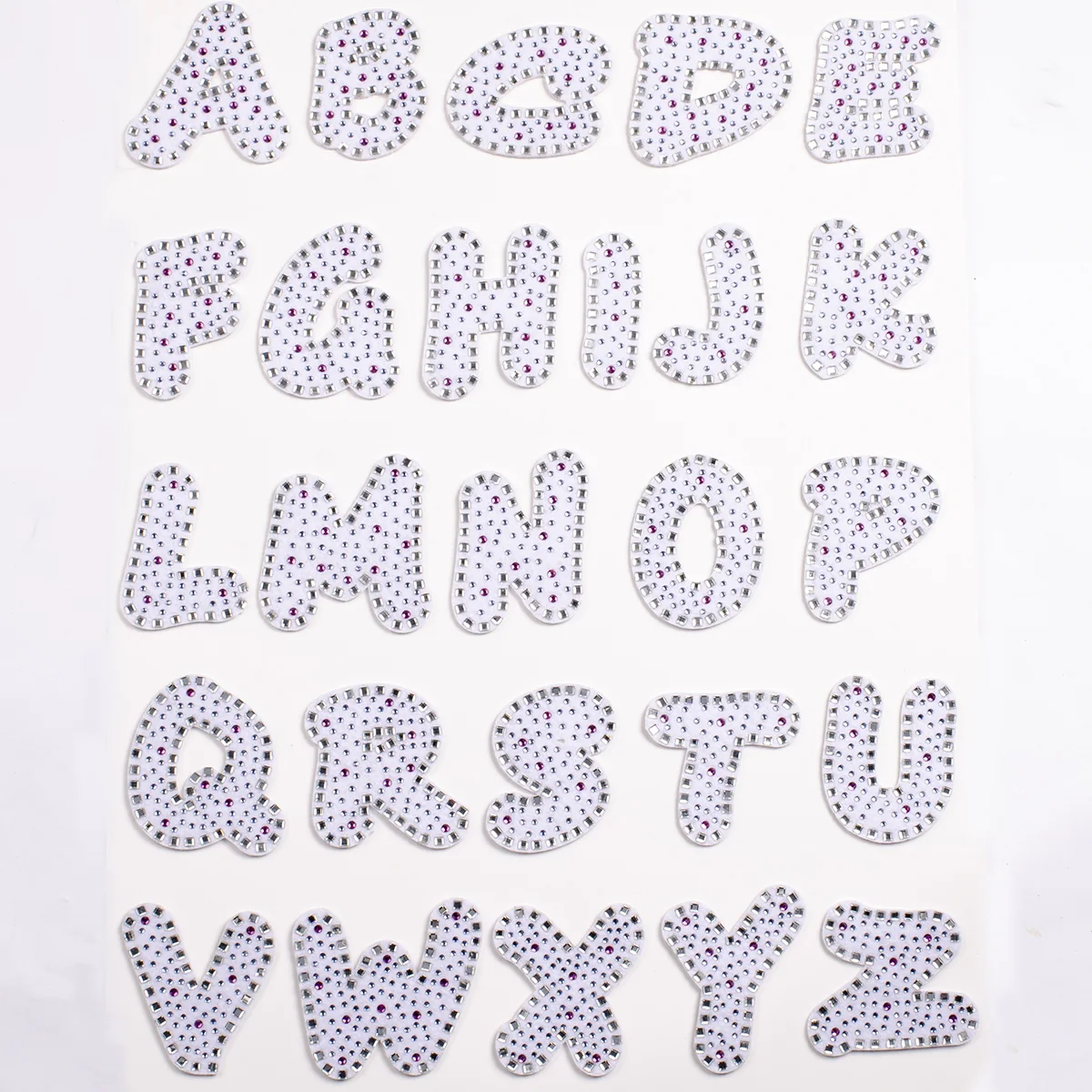
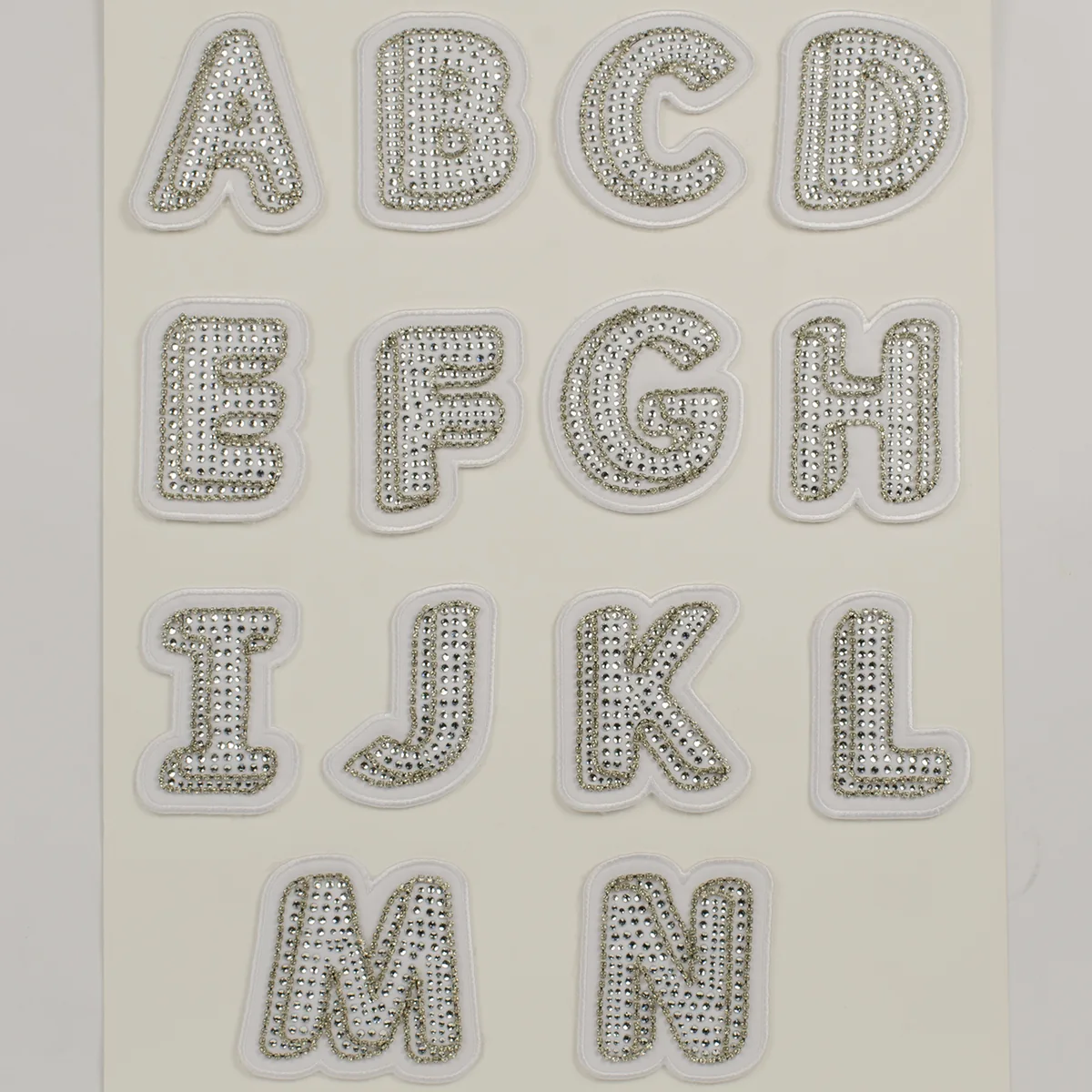
Select black double-row, black crystal grid, cartoon motif, pink outline, white square-crystal, or embroidered white sew-on construction by reviewing the real photography.
Forecast each letter independently. Names and slogans rarely consume A through Z evenly, so a total-piece estimate alone creates preventable shortages.
Identify the receiving garment or accessory, surface, placement, and intended process before sampling because these product families should not share an assumed application method.
Use initials or short names on jackets, shirts, performance merchandise, and coordinated event pieces after attachment testing.
Plan high-contrast letters for totes, pouches, hats, or fabric accessories while checking curvature and sewing access.
Create roster names, club initials, or role labels with a controlled character forecast and replenishment allowance.
Package individual letters or curated name sets only after confirming labeling, sorting, and packing requirements.
Reference the product code and photography so similar crystal alphabets are not mixed accidentally.
List every character and its quantity, with the total at or above the current 50-piece MOQ.
Review the physical finish, attachment plan, assortment, packing, and written commercial terms before bulk work.
Current MOQ: 50 pieces for the new alphabet patch collections. Send the quantity needed for every character because the written quote must confirm the complete letter assortment, finish, packing, and current production terms.
A mixed alphabet request can be reviewed. Provide a character-by-character quantity table rather than only a total so production can confirm whether the proposed assortment works for the selected construction.
No. The photographed groups have different textile bases, edges, and decorative constructions. State the receiving product and intended attachment method; do not assume every style is heat applied, ironed on, or sewn.
Approve the exact collection, character list, quantity per character, color and crystal appearance, front and back construction, attachment method, sample, packing, destination, and written schedule.
Square centers and round borders create a structured, geometric crystal grid.
Select black double-row, black crystal grid, cartoon motif, pink outline, white square-crystal, or embroidered white sew-on construction by reviewing the real photography.
Forecast each letter independently. Names and slogans rarely consume A through Z evenly, so a total-piece estimate alone creates preventable shortages.
Identify the receiving garment or accessory, surface, placement, and intended process before sampling because these product families should not share an assumed application method.
Use initials or short names on jackets, shirts, performance merchandise, and coordinated event pieces after attachment testing.
Plan high-contrast letters for totes, pouches, hats, or fabric accessories while checking curvature and sewing access.
A useful request identifies the exact product family, required characters, quantity per character, receiving item, target placement, destination, and date. Current MOQ: 50 pieces; the written quote confirms the assortment and current terms.