Detail 01
Known demand
Paste confirmed names, roster entries, phrases, or preorder selections into a worksheet and count every uppercase character automatically or manually.
Convert names, rosters, and merchandise phrases into a reliable letter purchase plan. The goal is simple: buy the characters you will use, retain sensible replacements, meet the current 50-piece MOQ, and preserve clean reorder records.
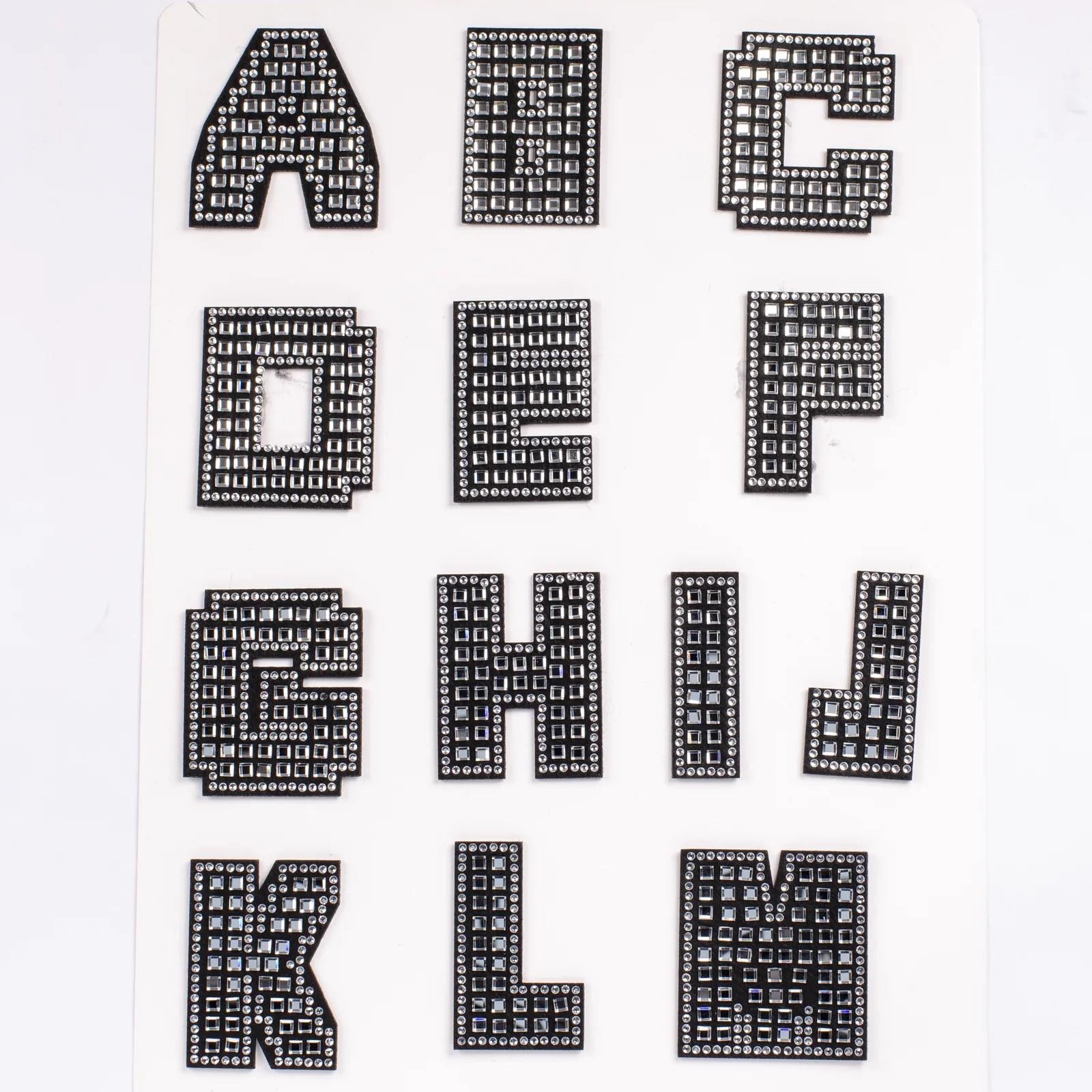
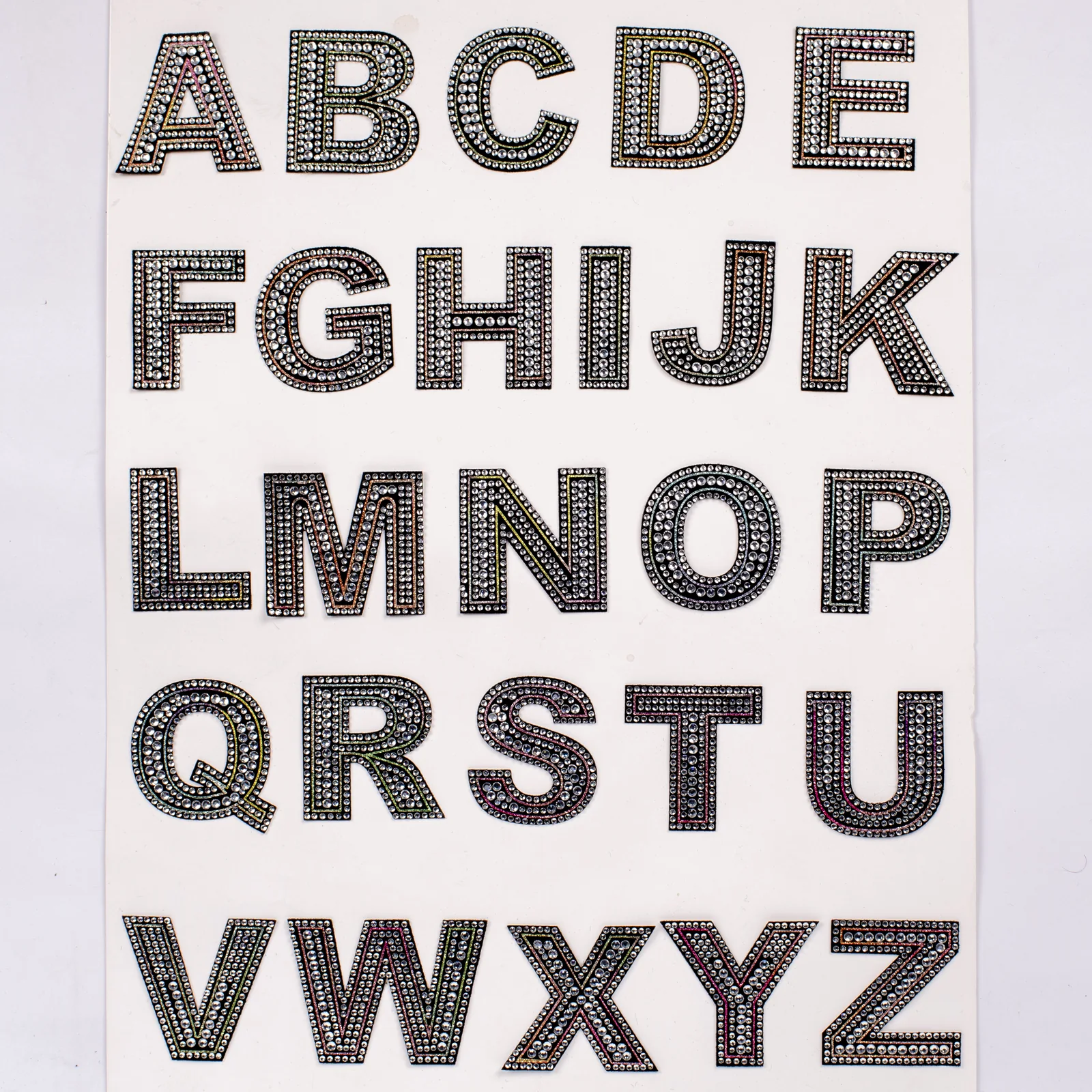
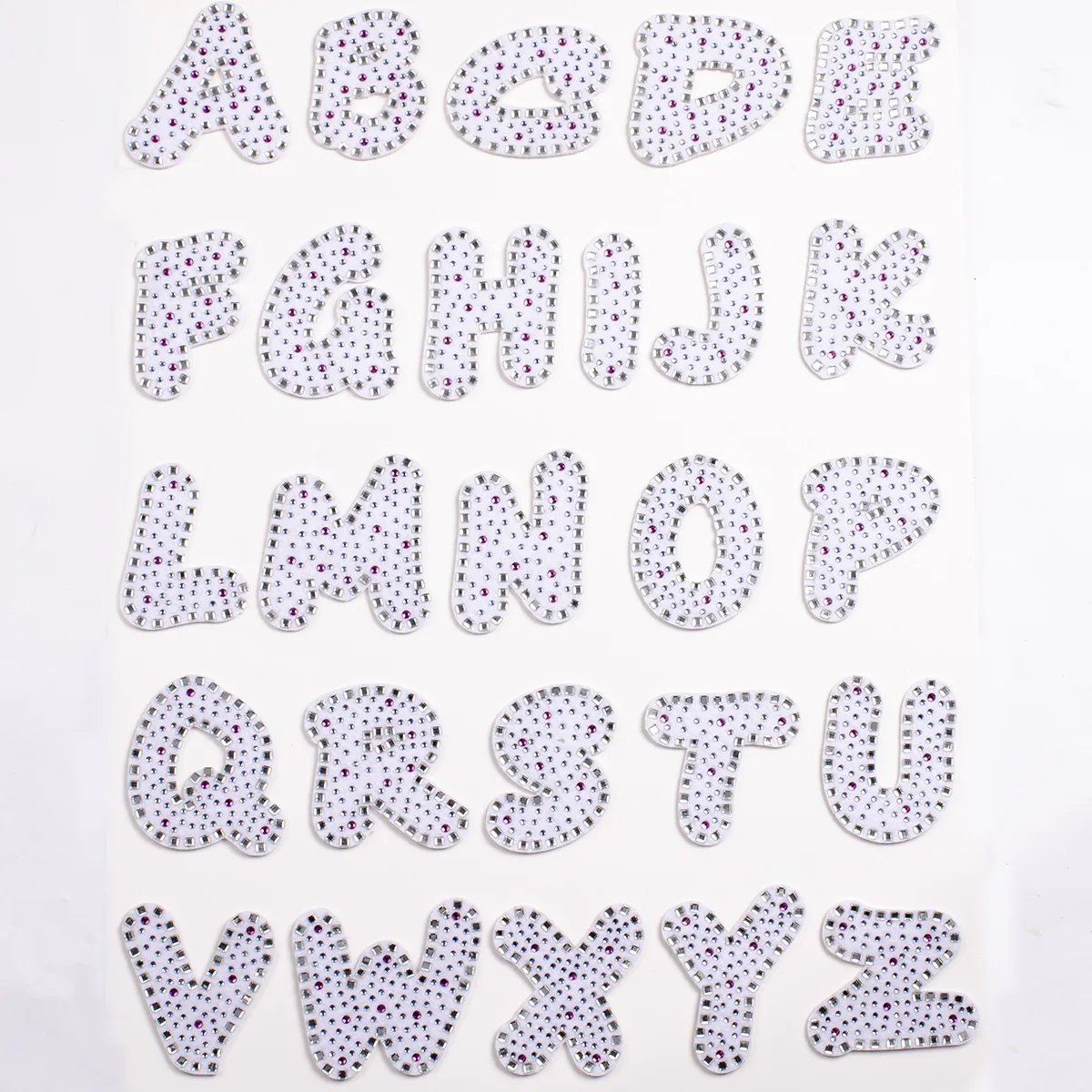
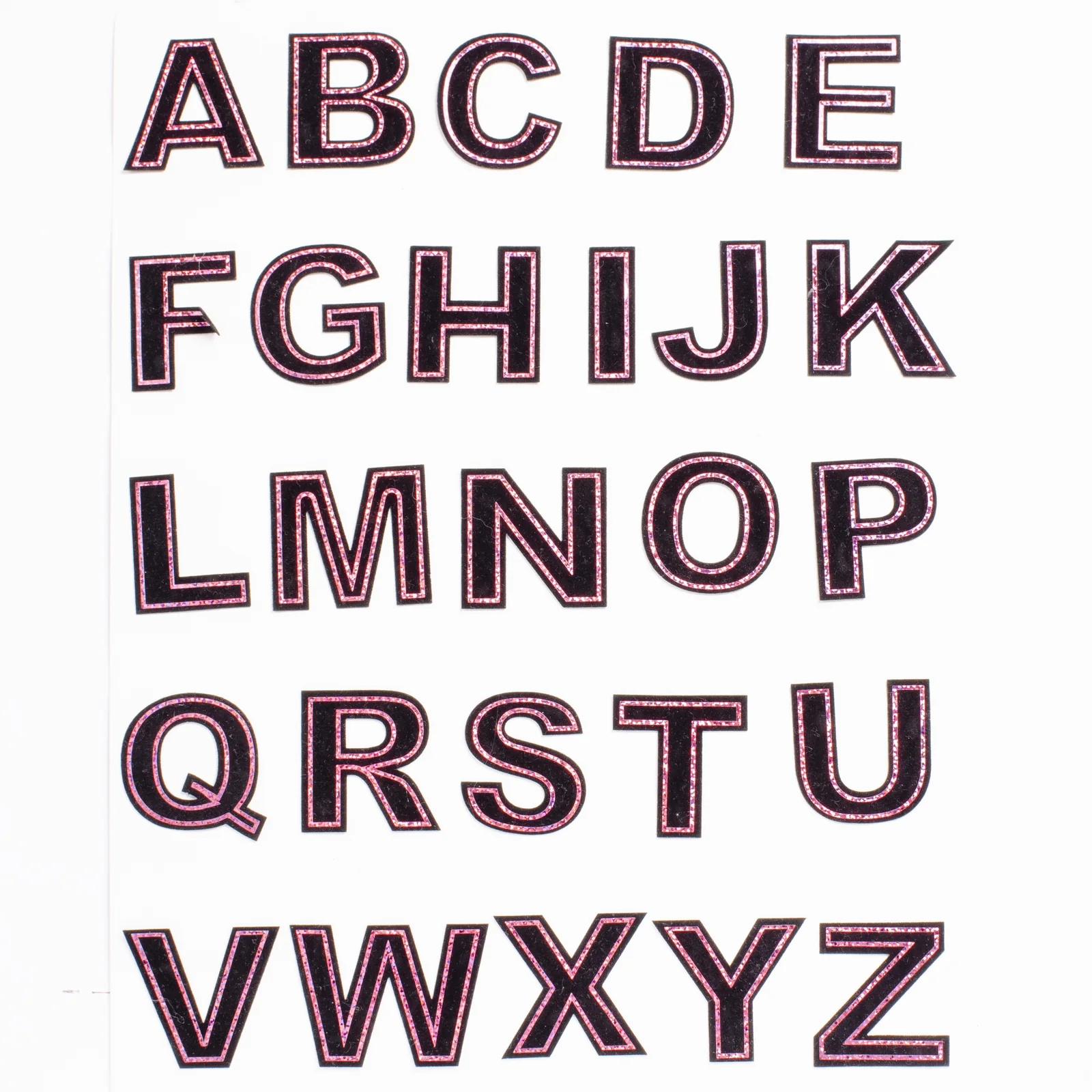
Paste confirmed names, roster entries, phrases, or preorder selections into a worksheet and count every uppercase character automatically or manually.
Add replacements for attachment loss, spelling corrections, late additions, and service needs using a documented rule rather than an arbitrary percentage.
Store catalog code, photograph, approved sample reference, order date, supplier revision, received quantity, used quantity, and remaining stock together.
Count repeated letters across player or staff names, then lock the roster before releasing the purchase allocation.
Use historical selection data and track live depletion so staff know when to pause a character option.
Multiply the exact letter count per phrase by production quantity, then add only the approved replacement allowance.
Start with demand evidence, review sell-through by character, and adjust later orders without changing the product family.
Correct spellings, capitalization, spaces, punctuation, duplicates, cancellations, and non-letter symbols before counting.
Total every character, add the reasoned buffer, and confirm the combined request meets the current 50-piece MOQ.
Count received letters by code, isolate defects, update available stock, and preserve the approved reference for reorders.
Names, team rosters, product phrases, and local languages use letters at different rates. Equal packs often strand uncommon characters while popular vowels and consonants run out early.
The current MOQ for the six new collections is 50 pieces. Submit the proposed combined quantity and its character-by-character allocation; the written quote confirms whether that assortment is accepted for the chosen product.
Use confirmed names, historical personalization sales, preorder selections, roster files, or a defined campaign phrase. Separate known demand from speculative stock and document the buffer rule.
A controlled spare allowance can cover handling damage, attachment errors, spelling corrections, or later service. Choose the allowance by operational risk and concentrate it on characters actually used.
Assign one product code to the complete forecast so a reorder does not switch silently to a similar-looking construction.
Paste confirmed names, roster entries, phrases, or preorder selections into a worksheet and count every uppercase character automatically or manually.
Add replacements for attachment loss, spelling corrections, late additions, and service needs using a documented rule rather than an arbitrary percentage.
Store catalog code, photograph, approved sample reference, order date, supplier revision, received quantity, used quantity, and remaining stock together.
Count repeated letters across player or staff names, then lock the roster before releasing the purchase allocation.
Use historical selection data and track live depletion so staff know when to pause a character option.
A useful request identifies the exact product family, required characters, quantity per character, receiving item, target placement, destination, and date. Current MOQ: 50 pieces; the written quote confirms the assortment and current terms.