Artwork & legibility
Set the finished size first, then review lettering, narrow gaps, stitch direction, and simplified detail.
Build the brief around the visible embroidery and the part buyers cannot see: the backing, receiving fabric, press validation, and approved sample. That combination determines whether a patch is ready for a garment program.

TB-D55470503F66 · 2.1 × 2.1 in · embroidery thread
“Iron-on” describes an application route, not a complete production specification. A useful inquiry identifies the patch face, edge, adhesive system, receiving product, placement, and expected care conditions.
Set the finished size first, then review lettering, narrow gaps, stitch direction, and simplified detail.
Confirm the base fabric, stitch coverage, edge construction, shape, thickness, and finished dimensions.
Identify the adhesive backing and the exact garment fabric, coating, texture, seam, or panel receiving it.
Validate the supplier instructions on the intended material and retain an approved physical reference.
These are recorded catalog references, not defaults for new work. Quote the item code when it is useful and describe every requested change.
Embroidery thread · 2.1 × 2.1 in · recorded catalog MOQ 200
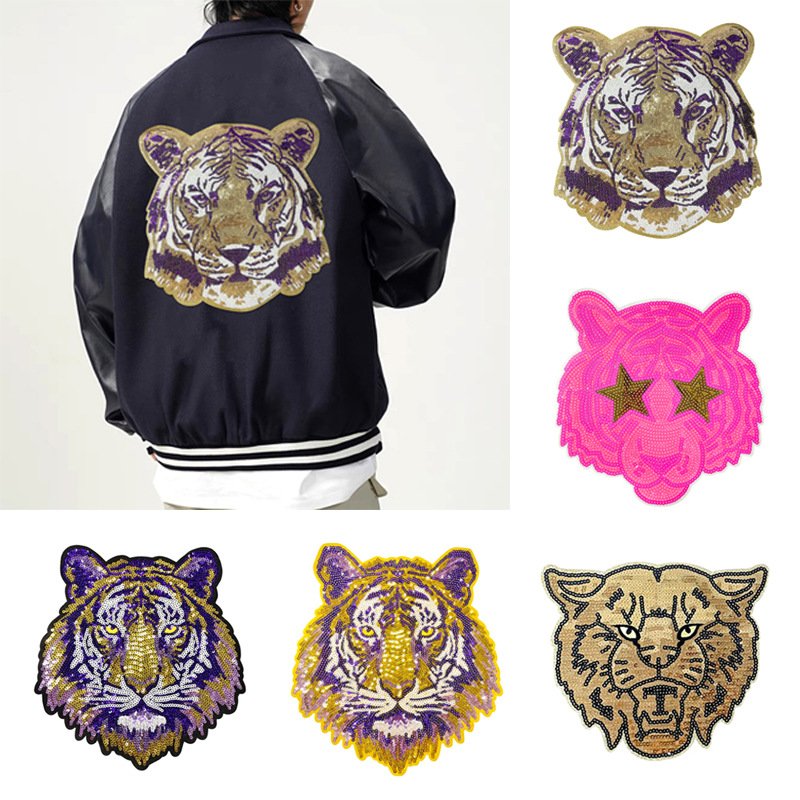
Sequin bead and embroidery thread · 9.92 × 8.82 in · recorded catalog MOQ 200
Artwork revision, finished size, colors, edge, backing, receiving fabric, placement, quantity, packing, and destination.
Application and care guidance issued for the exact construction—not copied from an unrelated patch.
A documented test on the intended garment checks appearance, placement, bond, surface effects, and care expectations.
The signed-off sample and written specification become the reference for bulk inspection and repeat orders.
A complete inquiry makes it possible to review feasibility and quote the actual construction. Upload the artwork and name the receiving material; missing decisions can then be identified during follow-up.
No. The patch construction, adhesive backing, receiving fabric, heat tolerance, pressure, and care requirements must be reviewed together. Request instructions for the exact approved patch and test it on the intended material before a production run.
Send artwork only when you own the design or have permission to reproduce it. For an iron-on patch, identify the finished dimensions, thread colors, edge, receiving fabric, placement, quantity, destination, and target date. Flag small lettering or narrow shapes that need to stay readable after stitching and heat application.
A mixed construction can be reviewed. The catalog includes an embroidered sequin reference, but feasibility, attachment, surface durability, and application method are confirmed for the submitted design.
A historical catalog minimum is not a live offer for a new embroidery design. The current MOQ is 50 pieces. Ask for a quotation that names the patch backing and heat-application test, along with sample scope, price, timing, and terms.
“Iron-on” describes an application route, not a complete production specification. A useful inquiry identifies the patch face, edge, adhesive system, receiving product, placement, and expected care conditions. For further detail, consult Custom Embroidered Patches: Translate Artwork Into Stitches.
Set the finished size first, then review lettering, narrow gaps, stitch direction, and simplified detail. For further detail, consult Custom Embroidered Patches: A Wholesale Specification Guide.
Confirm the base fabric, stitch coverage, edge construction, shape, thickness, and finished dimensions.
Identify the adhesive backing and the exact garment fabric, coating, texture, seam, or panel receiving it.
Validate the supplier instructions on the intended material and retain an approved physical reference.
These are recorded catalog references, not defaults for new work. Quote the item code when it is useful and describe every requested change.