Character patch sourcing

Tiger Sequin Patches for Wholesale Collections

Select tiger sequin patches through original artwork rights, face readability, edge finish, garment placement, and variant sampling.

Buyer perspective

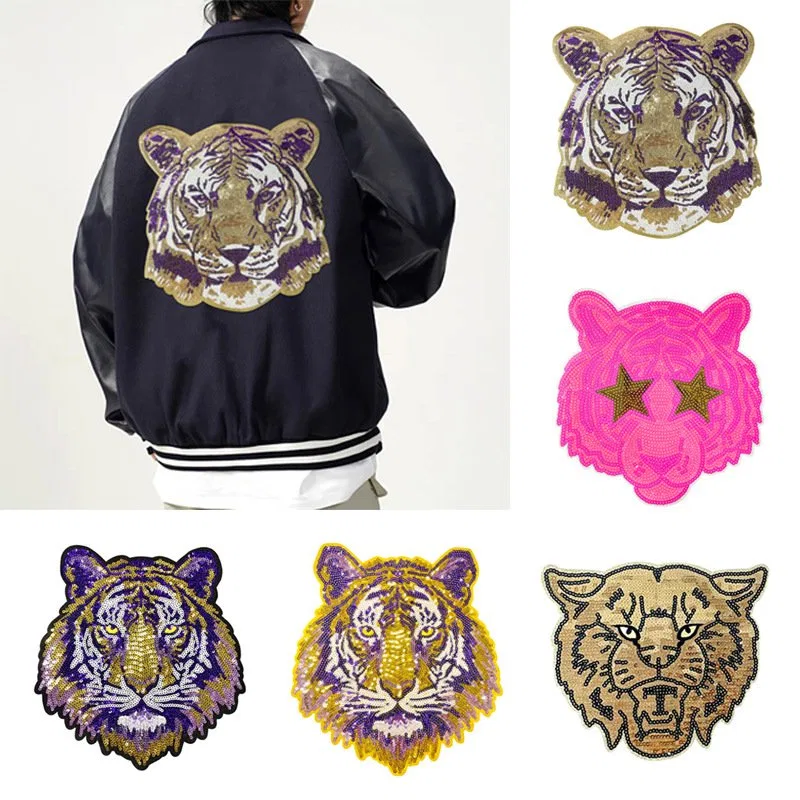
A tiger face uses eyes, stripes, and whisker lines to remain recognizable. Sequins add movement and light, but can also blur those details at a small scale. The pictured variants show possible appearances; a new tiger design needs its own authorized artwork, construction, and garment trial.

Tiger-head sequin patch variants, including one shown on a jacket; dimensions and backing vary by quoted item
Product reference image; confirm your own artwork, material, and placement in a sample.

What to decide

Build a brief that can be tested

  1. 1

    Milestone 01

    Keep the face distinct

    View the artwork at its finished size and normal distance. Mark eyes, muzzle, ears, and stripe boundaries that must survive the chosen sequin treatment. If a protected mascot or character is requested, obtain reproduction rights before treating it as production art.

  2. 2

    Milestone 02

    Review the whole perimeter

    Inspect sequin coverage, base visibility, border, and any pointed fur or ear edges on physical samples. Place the patch on the target garment and check whether the colors still separate from the fabric under ordinary light.

  3. 3

    Milestone 03

    Sample the attachment

    Ask for the exact backing and current process for the chosen variant. Attach a representative patch to the intended garment, then inspect edge contact, wearer movement, and relevant care. Record motif size, colors, and packing code separately for each style.

Sample protocol

Test recognition and edge behavior on a real garment

A tiger patch has a face assembled from small eye, muzzle, ear, and stripe cues. On a bright sequined sample those cues can blur at viewing distance. A new design also needs authorized artwork rather than an assumed right to reuse a pictured character.

  1. STEP 1

    Artwork gate

    Confirm the buyer's rights to the requested image. View a full-size proof at ordinary distance and mark the features needed for it to read as a distinct tiger rather than a generic glitter shape.

  2. STEP 2

    Patch inspection

    Check sequin orientation, exposed base, border continuity, and pointed ear or fur edges. Compare the sample against the intended garment color and check that the face does not visually disappear.

  3. STEP 3

    Attachment trial

    Use the exact quoted backing and its current method on the receiving garment. After cooling and handling, inspect edge security, snag points, and face readability while worn.

Approve the lawful design and attached sample together; the listing image proves neither a new artwork license nor garment performance.

Bring to the inquiry

  • Authorized tiger artwork
  • Physical-size face proof
  • Garment and backing
  • Applied sample and variant codes
Wholesale Inquiry

Request a Bulk Quote

Send your artwork, quantity, destination, and specifications for a tailored quote.

By submitting, you agree to our privacy policy.