Protect the silhouette
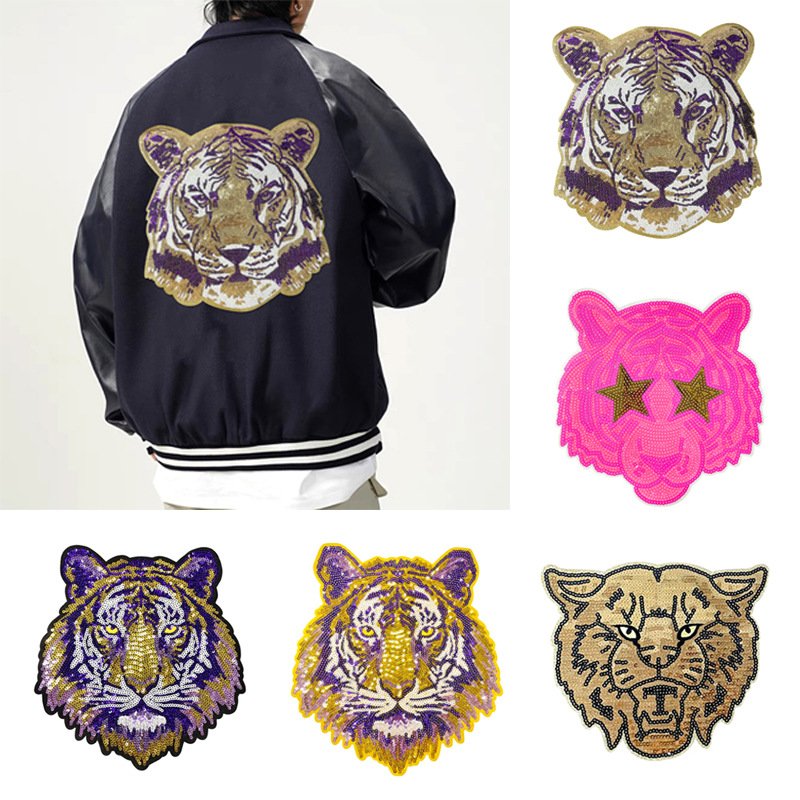
Begin with the recognizable outer shape and any essential internal lines. Review at physical size, because very small gaps may close visually among sequins. Decide whether the design is a bold emblem or a detailed picture.
Brief custom sequin heat transfers around artwork scale, attachment, surface texture, and finished-item testing.
Buyer perspective
A sequin design is read through changing light and a textured surface. Flat artwork can establish the outline, but it cannot show how the individual reflective pieces overlap, catch, or feel on the finished garment. Approve an applied sample in the intended context.
What to decide
Begin with the recognizable outer shape and any essential internal lines. Review at physical size, because very small gaps may close visually among sequins. Decide whether the design is a bold emblem or a detailed picture.
Map garment folds, straps, sleeves, and other places likely to rub against the motif. Handle the decorated sample and inspect exposed edges. A striking display photograph is not a substitute for wear testing.
Note the base color, sequin color and orientation, finished dimensions, backing, and placement. Photograph under consistent lighting so later color or finish comparisons are meaningful.
Sample protocol
Sequins create a different surface from flat print or a crystal motif. Judge orientation, coverage, and comfort on the finished item, then test how the decorated area responds to the handling and care expected for that garment.
Look at the sample from several angles to find gaps or changes in color effect that a front photo hides.
Check whether the placement brushes skin, bag straps, or other garment parts during ordinary use.
Inspect the same sample after an agreed handling or laundering trial for lifting or altered appearance.
Approve the applied sample after the relevant use test, not only the loose sequin transfer at delivery.
Send your artwork, quantity, destination, and specifications for a tailored quote.