Silicone logo sourcing

Silicone Heat Transfer Logo Patches: Applied Approval

Specify silicone logo patches by relief artwork, substrate, backing, application trial, feel, and care record.

Buyer perspective

A raised logo may be called a patch or a heat transfer, but the name does not tell a decorator how it attaches. Buyers should separate the visible silicone construction from the reverse and the receiving fabric. Both have to be documented before the applied sample can be approved.

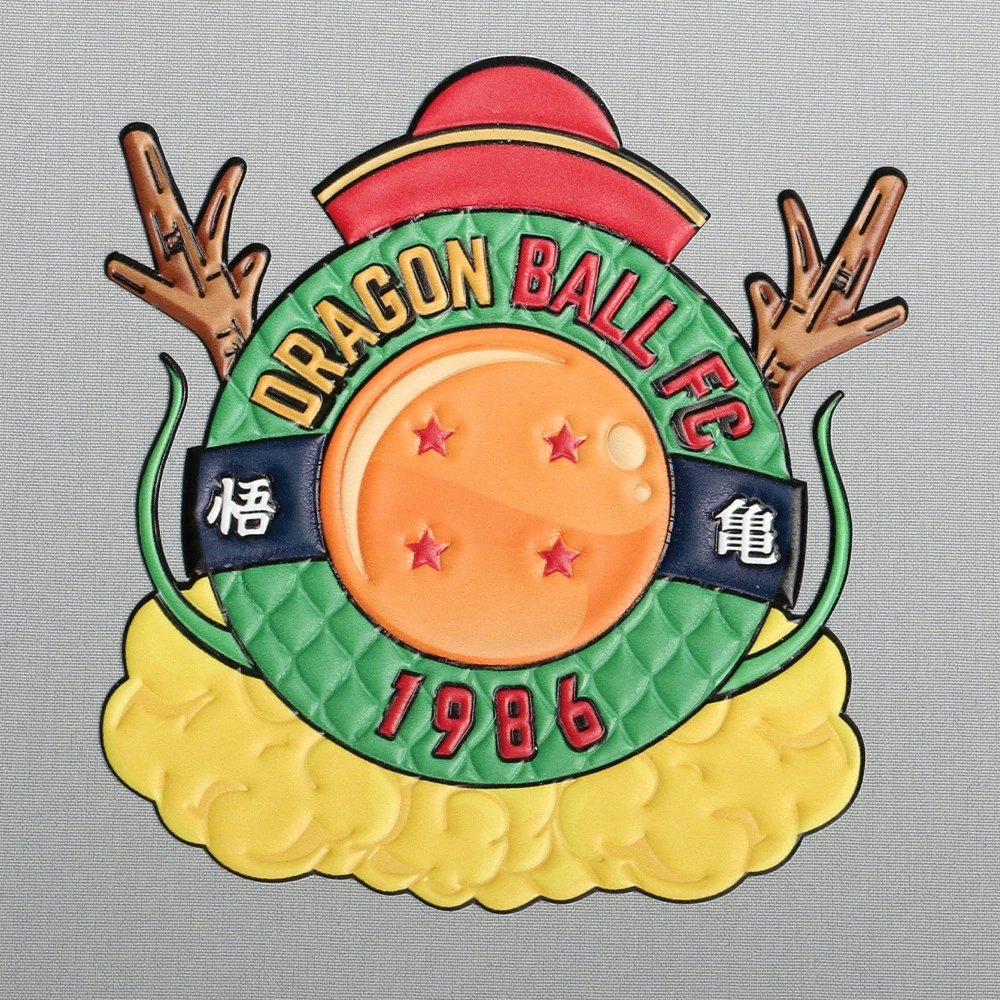
Raised silicone-style logo patch product reference
Product reference image; confirm your own artwork, material, and placement in a sample.

What to decide

Build a brief that can be tested

Field note 01

Specify the face

Mark raised and recessed layers, outer edge, colors, and protected lettering on a final-size artwork file. Ask for a physical proof so depth, flexibility, and small detail can be examined. A digital 3D rendering should not substitute for the finished component.

Field note 02

Trial the attachment

Identify the proposed backing and supplier-confirmed application process. Apply to the intended fabric with its real finish and seam conditions. Inspect edge contact, hand feel, fabric response, and whether the logo distorts when the panel moves.

Field note 03

Control the accepted build

Review the garment after relevant care and keep the tested material, dimensions, artwork revision, backing, application record, and sample code together. If the blank, label material, or process changes, seek a new confirmation.

Buying matrix

Lock the silicone logo specification

Once the physical logo and applied sample pass review, place all repeat-critical details on one release sheet. Separate the visible relief from the backing and application information so a later order cannot confuse two visually similar constructions.

Line itemEvidence to record
FaceRecord logo art version, finished dimensions, raised layers, colors, outer edge, and accepted sample code.
ReverseIdentify material and backing as supplied, plus the garment fabric and supplier-confirmed application instructions.
EvidenceAttach applied-sample photos, relevant care observations, inspection points, and the owner of any future material change.

A new blank or process needs another approval; the old release sheet documents a specific tested combination.

Bring to the inquiry

  • Relief artwork and dimensions
  • Material and reverse construction
  • Production garment trial
  • Accepted sample and care record
Wholesale Inquiry

Request a Bulk Quote

Send your artwork, quantity, destination, and specifications for a tailored quote.

By submitting, you agree to our privacy policy.