Reflective label sourcing

Reflective Heat Transfer Labels: Evaluate Visibility in Context

Plan reflective heat-transfer labels around artwork contrast, garment placement, lighting tests, and verified claims.

Buyer perspective

Reflective appearance depends on both incoming light and viewing angle. A bright photograph does not establish how a label performs on a real garment or whether it meets a regulated visibility requirement. Treat the mark as a design component until project-specific tests and claims are verified.

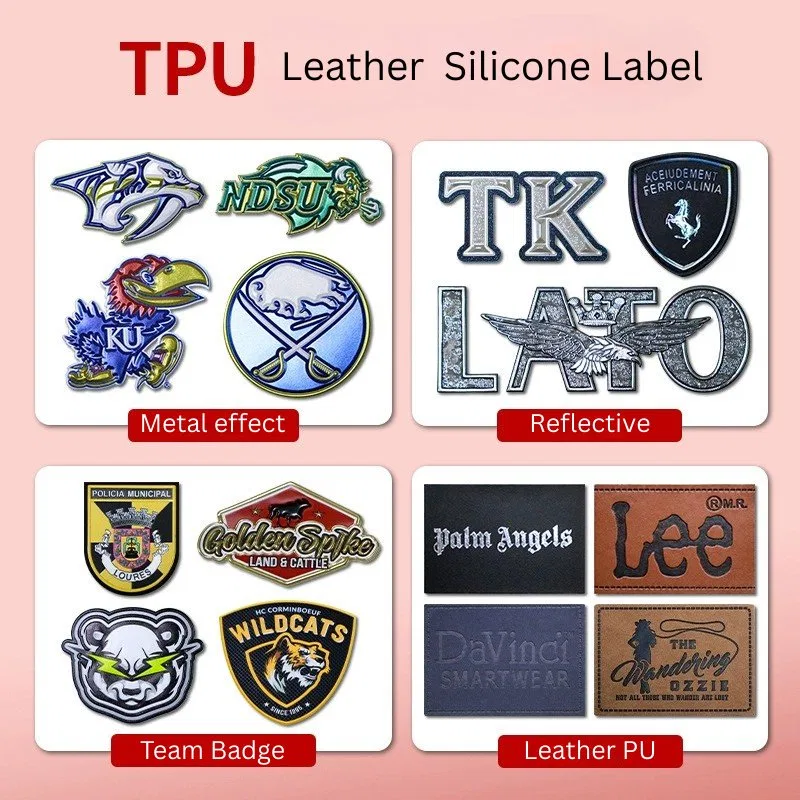
Mixed TPU label sample board including a reflective logo group
Product reference image; confirm your own artwork, material, and placement in a sample.

Options

Compare the mark under controlled light

A reflective label has at least two appearances. Compare both on the same garment instead of accepting separate, differently exposed marketing photographs.

Ambient view

Check normal-light legibility, color contrast, and how the label sits beside other branding.

Directed-light view

Use a consistent light source and angle to compare the requested effect; record camera and viewing conditions with the sample.

After-care view

Repeat both observations after the garment's planned care process, noting edge changes or loss of visual definition.

Keep design observations separate from any regulated visibility claim. Certification requires its own product-specific evidence.

What to decide

Build a brief that can be tested

Specification 01

Map the viewing situation

Identify garment color, placement, expected light source, and the distance at which the mark should be read. Compare the label under ordinary light and directed light on the actual garment. Record photos with consistent conditions rather than relying on one dramatic flash image.

Specification 02

Protect artwork contrast

Check thin lines and lettering at physical size. A reflective surface may look different by day and under illumination, so the brand mark should remain recognizable in both conditions. Review nearby prints or seams that may interrupt the application.

Specification 03

Separate style from compliance

If the garment serves a safety or workwear function, determine applicable requirements independently. Request evidence for any certified performance claim before publishing it. Keep the applied sample and test record with the approved label revision.

Bring to the inquiry

  • Final artwork and dimensions
  • Garment color and placement
  • Lighting and care-test plan
  • Any required third-party standard
Wholesale Inquiry

Request a Bulk Quote

Send your artwork, quantity, destination, and specifications for a tailored quote.

By submitting, you agree to our privacy policy.