Patch application trial

Iron-On Patch Heat Test for the Intended Fabric

Plan a patch heat trial around fabric identity, press access, attachment inspection, care, and documented results.

Buyer perspective

A patch advertised as iron-on still needs a garment-specific application trial. Fabric finish, stretch, lining, seams, and decorator equipment can all affect the result. The trial should show whether the selected patch and receiving garment work together under a documented process.

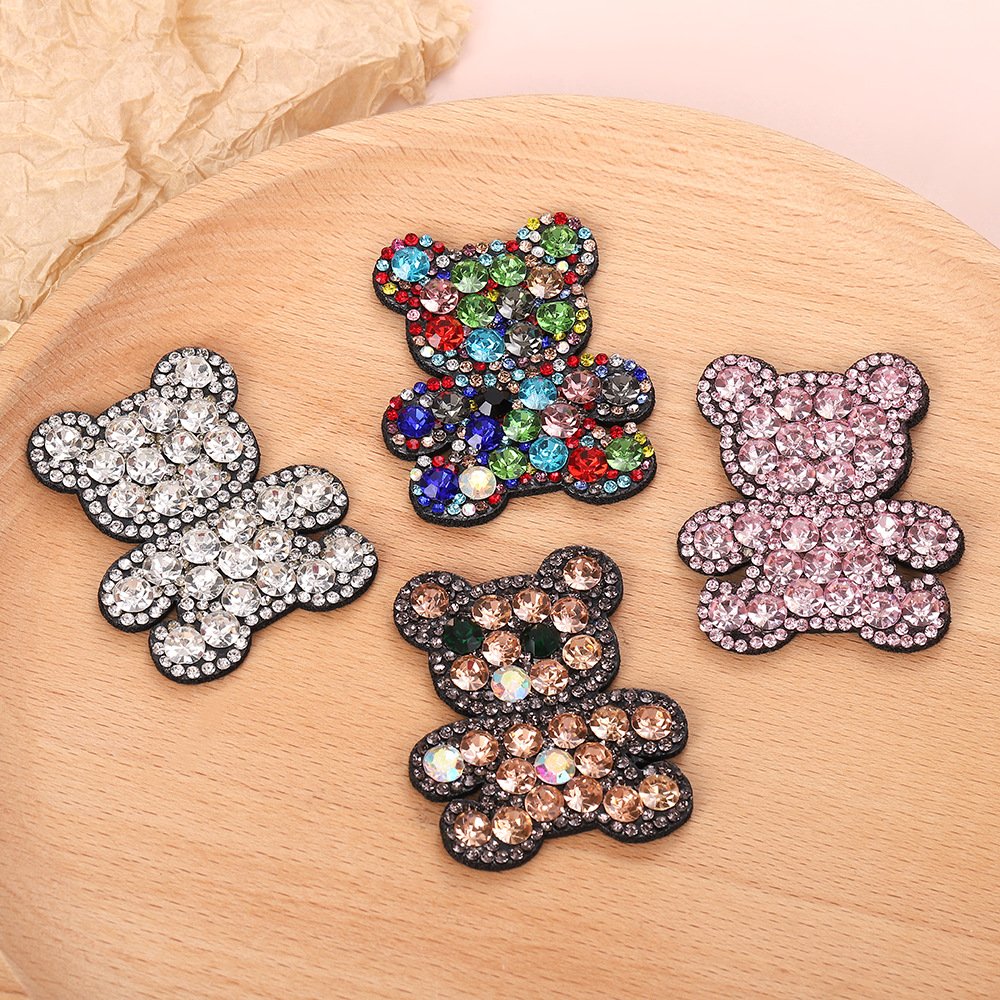
Iron-on patch reference before a fabric-specific heat application trial
Product reference image; confirm your own artwork, material, and placement in a sample.

What to decide

Build a brief that can be tested

01

Confirm the pair being tested

Record patch construction and backing, garment style and material, care label, placement, and access to the reverse. Check for raised seams or hardware that could disturb pressure. Use the same sample pairing planned for the order.

02

Document application

Ask the patch supplier and decorator to agree on a process for that exact combination. Record equipment, protective layers, and observed fabric response without publishing a generic temperature or time recipe. Inspect appearance after cooling and handling.

03

Evaluate the result

Look for edge lift, distortion, discoloration, and damage to decorative elements. Repeat inspection after the care exposure relevant to the product. If attachment fails, distinguish backing, process, and substrate possibilities before changing only one factor.

Sample protocol

Record the patch and garment as one specimen

A pass or fail has value only when the exact backing, fabric, application method, and care exposure are known. Build a trial sheet that a second decorator could read before attempting the same job.

  1. STEP 1

    Before

    Identify patch code, reverse construction, receiving garment, placement, nearby seams, and any fabric-finish concern.

  2. STEP 2

    During

    Log supplier-confirmed application instructions and the actual equipment/process used without turning the values into universal advice.

  3. STEP 3

    After

    Inspect edges and face after cooling and the agreed care sequence; document distortion, lift, or garment damage separately.

If the result is uncertain, isolate the suspected factor and rerun the trial on a new specimen rather than adjusting bulk production blindly.

Bring to the inquiry

  • Patch backing and garment
  • Placement and press access
  • Recorded application
  • After-care edge inspection
Wholesale Inquiry

Request a Bulk Quote

Send your artwork, quantity, destination, and specifications for a tailored quote.

By submitting, you agree to our privacy policy.