
GZ-FC-009
Silicone heat-transfer logo patches
Silicone · 6 × 8 cm · recorded catalog MOQ 500
Define the visible logo and the hidden application system. A useful program connects material layers, relief, backing, receiving fabric, press validation, sample approval, and bulk inspection.
Send a logo file you have the right to reproduce. The sample images illustrate possible constructions, not permission to use another brand's mark.
Each layer answers a different buyer question. Confirm them together so the sample represents the intended receiving product and use.
Logo shape, relief, colors, texture, finish, lettering, and critical detail.
Actual silicone, TPU, or combined material construction, thickness, flexibility, and edge.
Specified heat-transfer or adhesive system and the instructions issued for that construction.
Fiber, knit or weave, coating, stretch, color, texture, placement, seam proximity, and care needs.
The exact material description matters. These records give buyers concrete codes for discussion without turning one construction into a universal standard.
Silicone · 6 × 8 cm · recorded catalog MOQ 500

DG-ZK-002 lists TPU silicone, a 5 cm size reference, and a historical 300-piece minimum
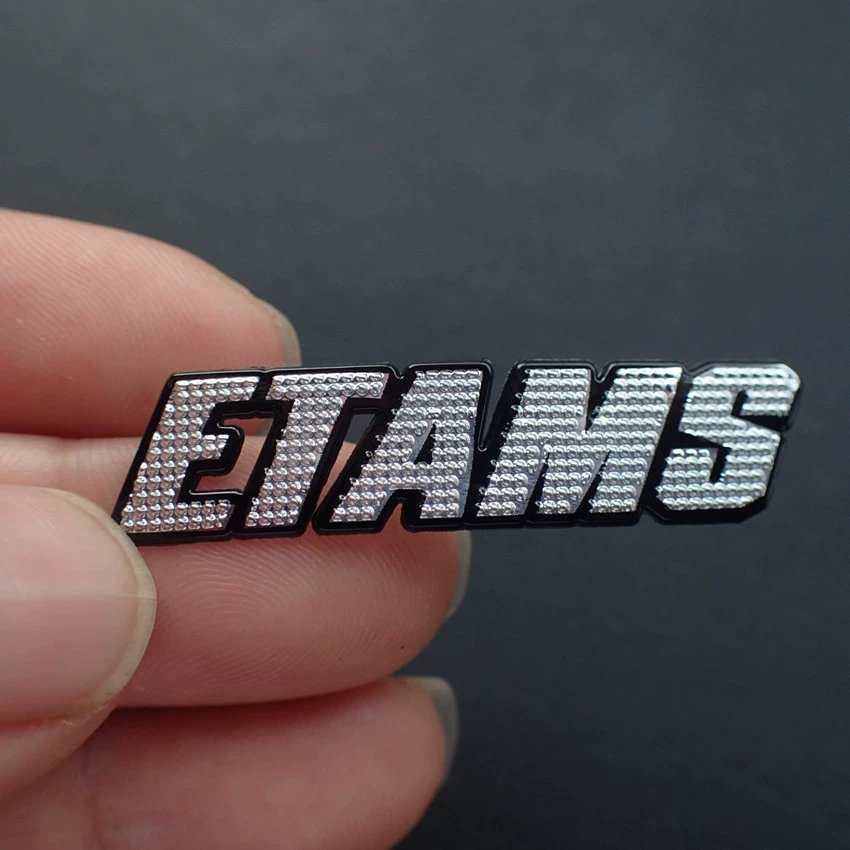
TPU and silicone · 5 × 3 cm · recorded catalog MOQ 500
The pictured dimensions and historic minimums belong to those item codes. Current MOQ: 50 pieces; obtain a new quote that names the proposed silicone stack, tooling, sample, application method, price, and schedule.
A logo patch cannot be evaluated in isolation when it will be heat applied. Name the exact garment or accessory and, where requested, supply a representative panel or finished product for application testing.
What is the material, knit or weave, weight, stretch, and surface texture?
Does the surface have a coating, treatment, dye behavior, nap, or sensitive finish?
Where will the patch sit relative to seams, curves, pockets, elastic, or hardware?
What washing, drying, abrasion, or buyer-defined test should the sample address?
Which press setup and platen constraints will the receiving facility use?
Which sample, instructions, test record, and tolerances will control bulk inspection?
Material stack, dimensions, relief, backing, garment, and placement.
Produce the proposed construction and keep its item or sample reference.
Apply it using issued instructions on the intended receiving material.
Record appearance, bond, surface effects, care test, and accepted tolerances.
For a raised non-silicone concept, compare 3D TPU logo patches. For item images and codes, use the design catalog.
They can describe different material or combined constructions. The catalog records silicone, TPU silicone, and TPU-and-silicone references separately. Use an item code when relevant and ask the team to confirm the actual material stack for the proposed sample.
Identify the receiving product, fiber content, fabric construction, coating or finish, surface texture, stretch direction, color, placement, seam proximity, and any care or compliance requirement. A physical material swatch may be needed for testing.
No universal temperature, time, pressure, or peel instruction is published here. Use the instructions issued for the exact approved patch and validate them on the intended receiving material before production.
The shown figures belong to individual earlier item codes, not a universal silicone-label order. Current MOQ: 50 pieces. Request terms for your proposed material stack, mold or tooling, applied sample, pack, price, and schedule.
Each layer answers a different buyer question. Confirm them together so the sample represents the intended receiving product and use.
Logo shape, relief, colors, texture, finish, lettering, and critical detail.
Actual silicone, TPU, or combined material construction, thickness, flexibility, and edge.
Specified heat-transfer or adhesive system and the instructions issued for that construction.
Fiber, knit or weave, coating, stretch, color, texture, placement, seam proximity, and care needs.
The exact material description matters. These records give buyers concrete codes for discussion without turning one construction into a universal standard.