Detail 01
Embroidered perimeter
A clean white edge frames the crystal body and gives the sewing line a visual relationship to the patch rather than hiding the construction.
Combine clear crystal lettering with a defined white embroidered edge and a mechanical sewing plan. This alphabet is suited to buyers who need a visible patch border and want attachment decisions documented at the garment level.
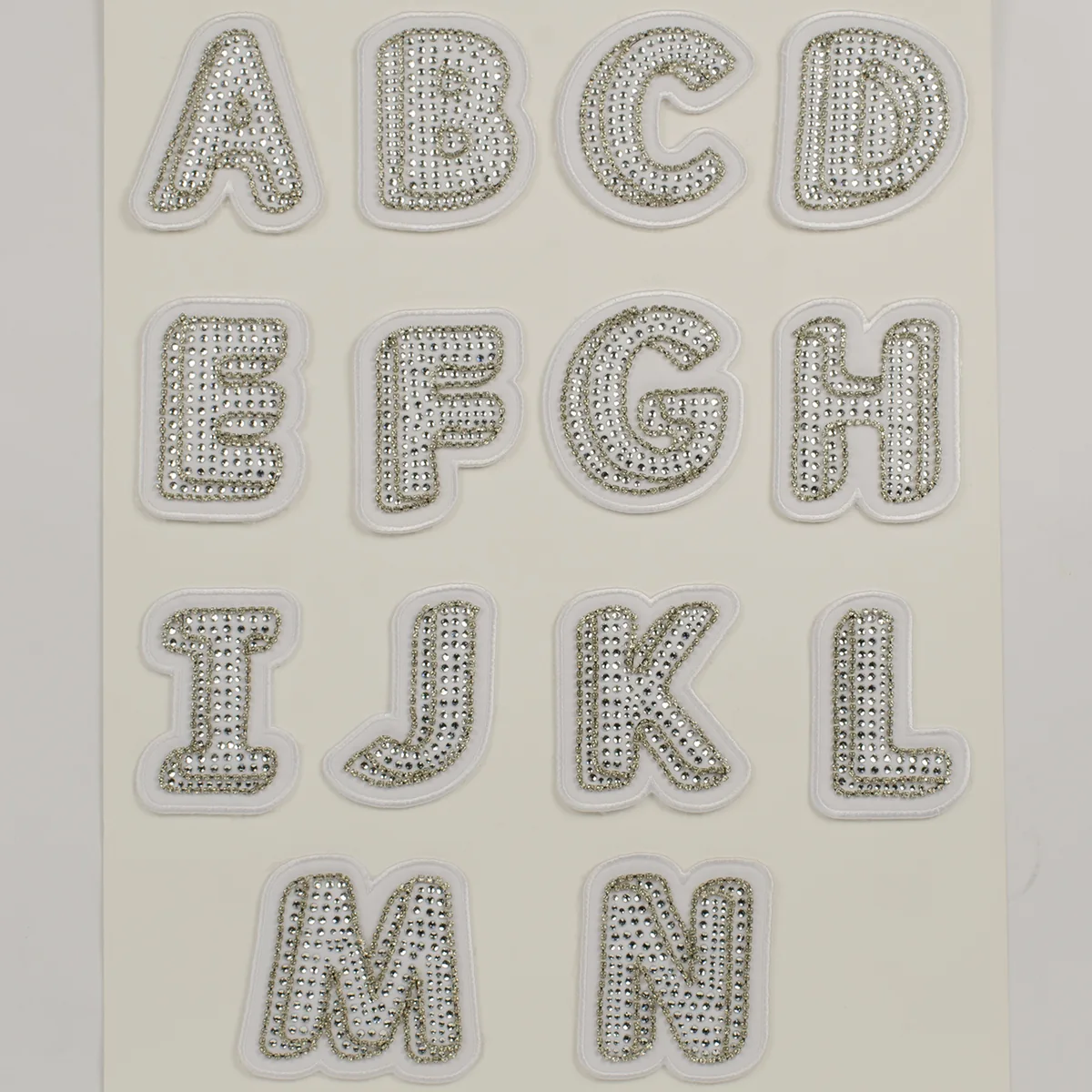
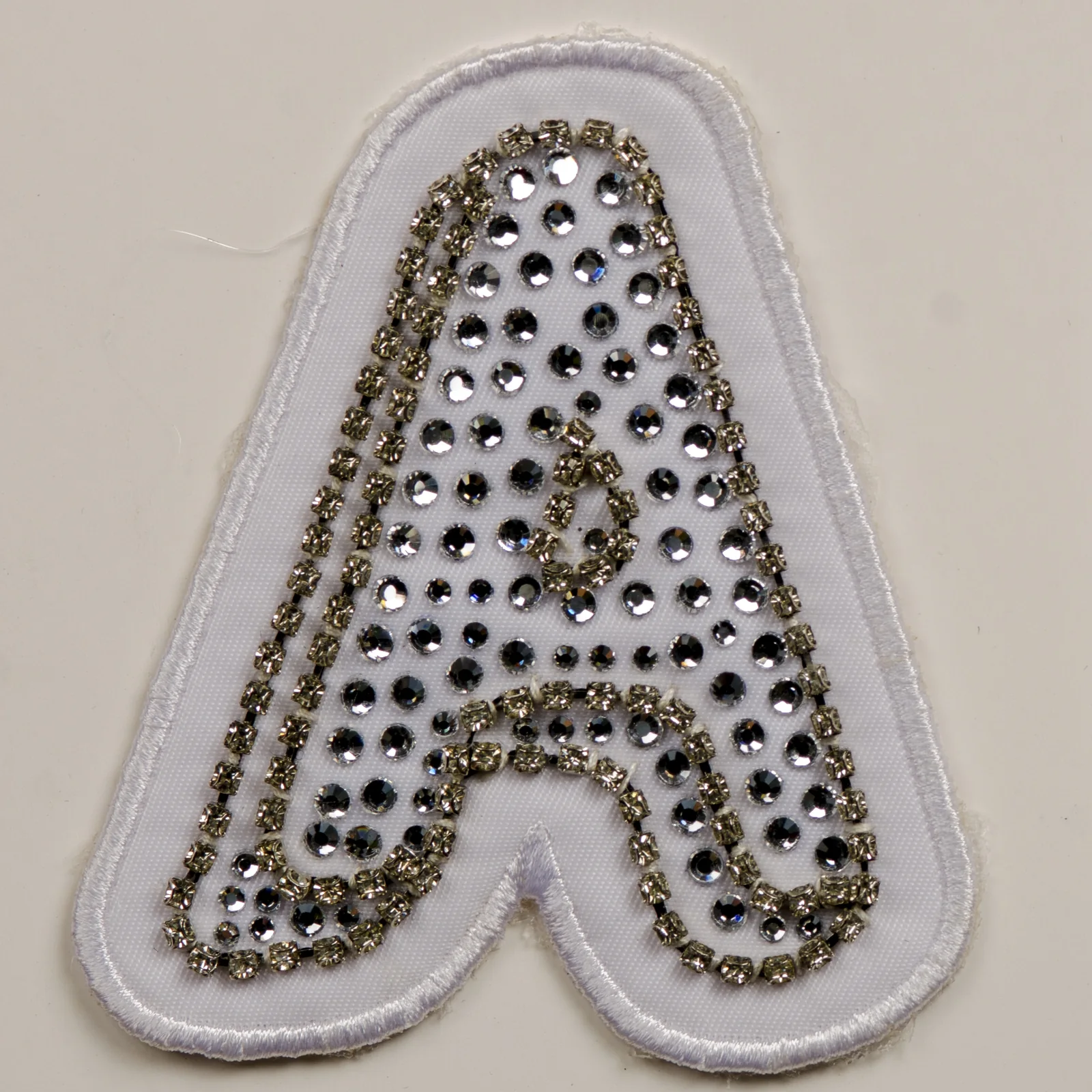
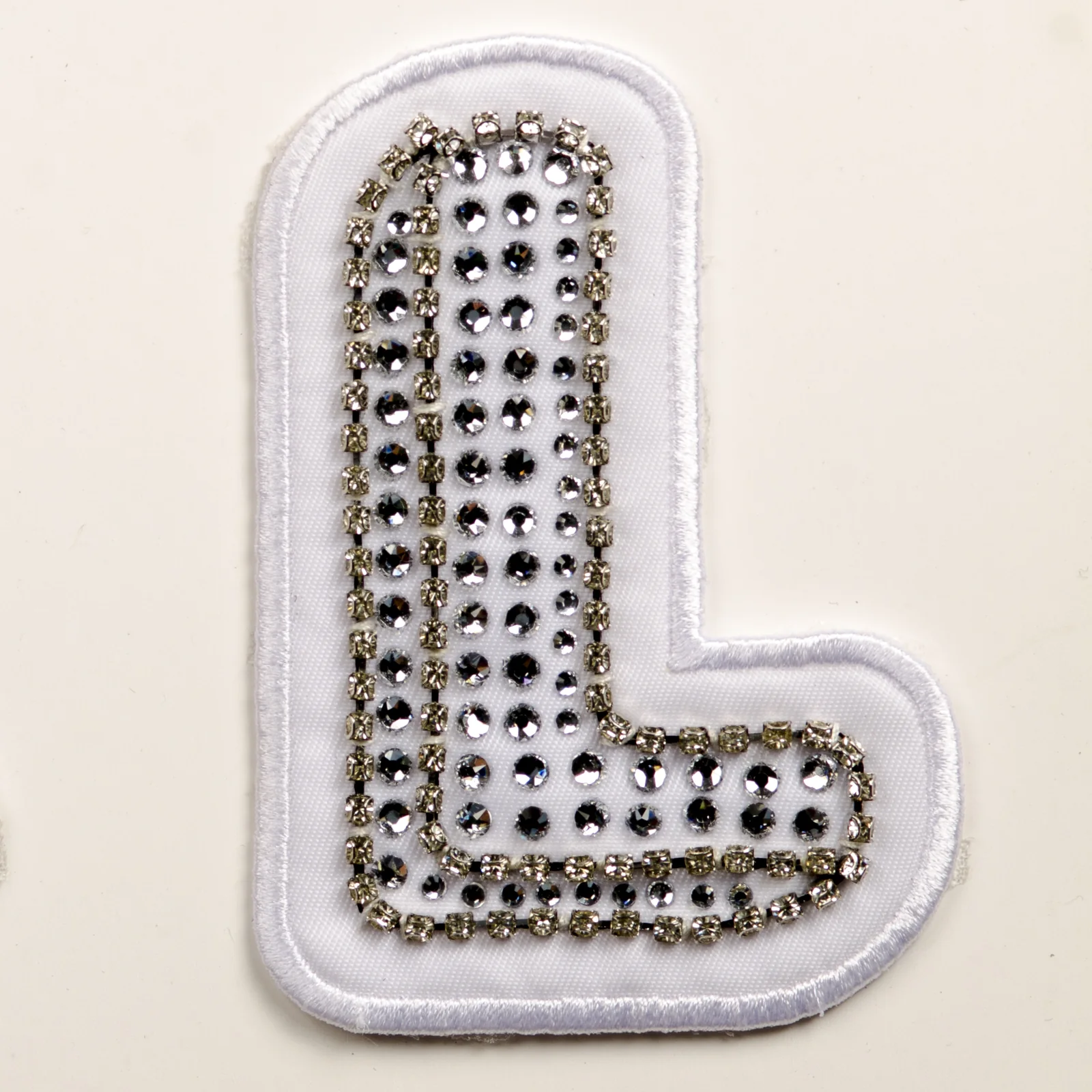
A clean white edge frames the crystal body and gives the sewing line a visual relationship to the patch rather than hiding the construction.
Stitching should secure the perimeter without striking crystals, distorting corners, puckering fabric, or trapping a removable lining incorrectly.
If a decorated product may need repair, retain approved thread, replacement characters, sewing notes, and the original assortment code.
Plan sewing access around lining, insulation, pockets, panels, zippers, and existing decoration.
Check whether the operator can reach behind the placement and keep stitches clear of internal pockets.
Use controlled initials or role lettering with an approved thread path and consistent placement guide.
Provide attachment instructions that match the actual patch edge instead of relying on generic patch advice.
Reference LCH-NP-ALP-06 and the embroidered white-edge photography in the sourcing brief.
Submit every character quantity, garment location, sewing access note, and total starting at the current 50-piece MOQ.
Review stitch route, thread color, edge stability, reverse appearance, crystal safety, spelling, and packing.
Sewing provides a mechanical attachment route and can suit products where a heat process is undesirable. The stitch plan must still respect crystals, embroidered borders, garment construction, and access to the reverse side.
Thread choice affects whether stitches disappear into the border or become a design detail. Approve stitch color, path, density, start and stop points, and back appearance on the intended product.
They may suit sewable fabric products, but seams, linings, padding, waterproof layers, and restricted machine access can change the method. Test the complete construction before bulk work.
The A detail reveals the white edge, crystal field, center opening, and available textile area around the stones.
A clean white edge frames the crystal body and gives the sewing line a visual relationship to the patch rather than hiding the construction.
Stitching should secure the perimeter without striking crystals, distorting corners, puckering fabric, or trapping a removable lining incorrectly.
If a decorated product may need repair, retain approved thread, replacement characters, sewing notes, and the original assortment code.
Plan sewing access around lining, insulation, pockets, panels, zippers, and existing decoration.
Check whether the operator can reach behind the placement and keep stitches clear of internal pockets.
Use controlled initials or role lettering with an approved thread path and consistent placement guide.
A useful request identifies the exact product family, required characters, quantity per character, receiving item, target placement, destination, and date. Current MOQ: 50 pieces; the written quote confirms the assortment and current terms.