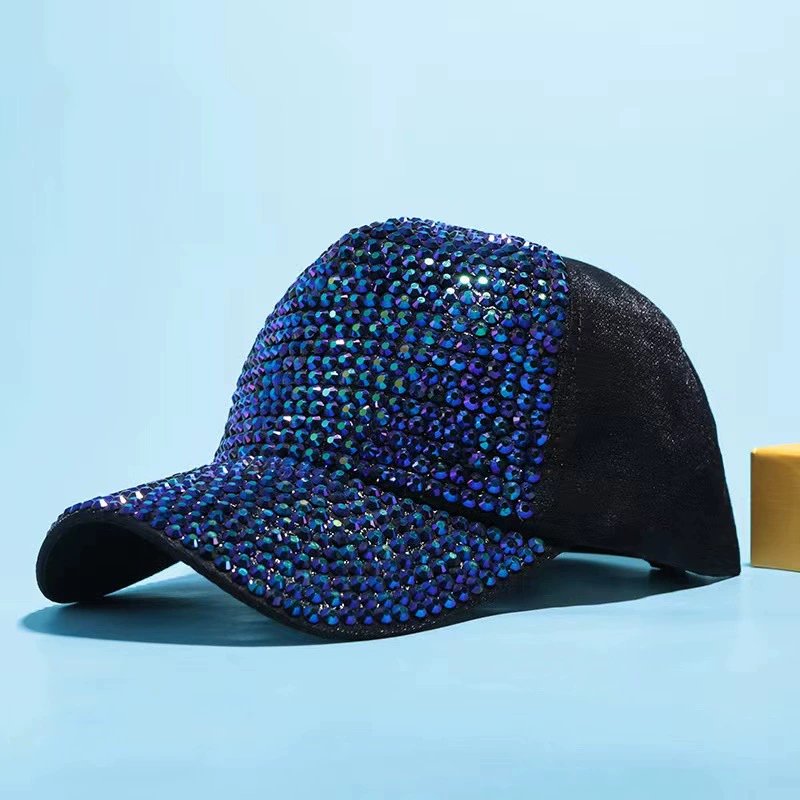
Front 6-panel
Structured baseball cap
Foam/buckram stiffening affects heat distribution. Requires curved press or careful padding.
Decorating hat panels with rhinestone transfers requires a different press setup than flat garment work. Curved surfaces, stiffening inserts, seams, and eyelets all affect adhesion. Each hat style requires its own application test.
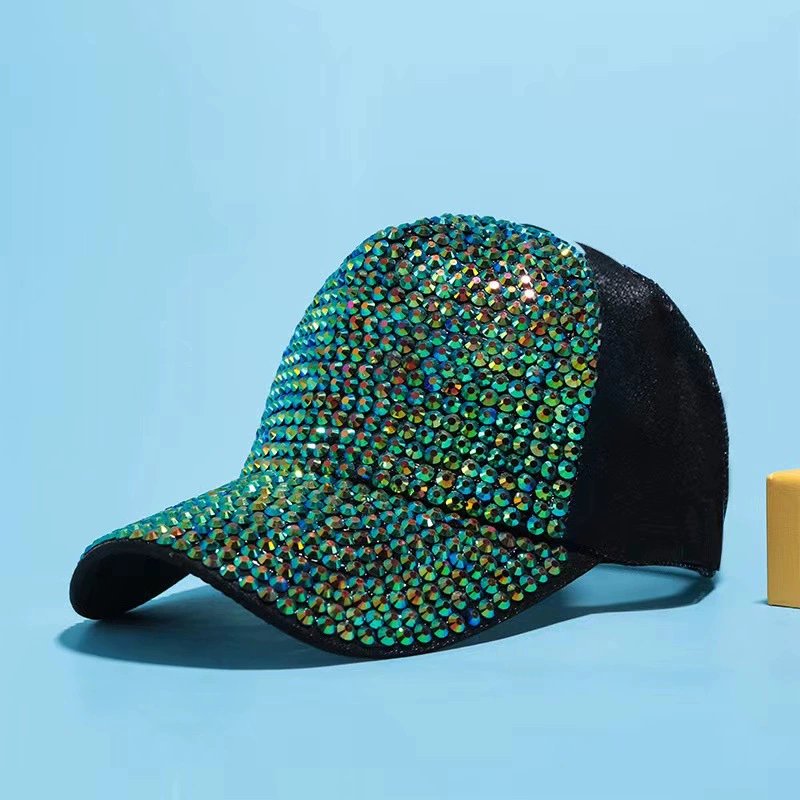
Foam/buckram stiffening affects heat distribution. Requires curved press or careful padding.
Flat front panel offers better press access. Confirm seams and eyelets do not fall in placement zone.
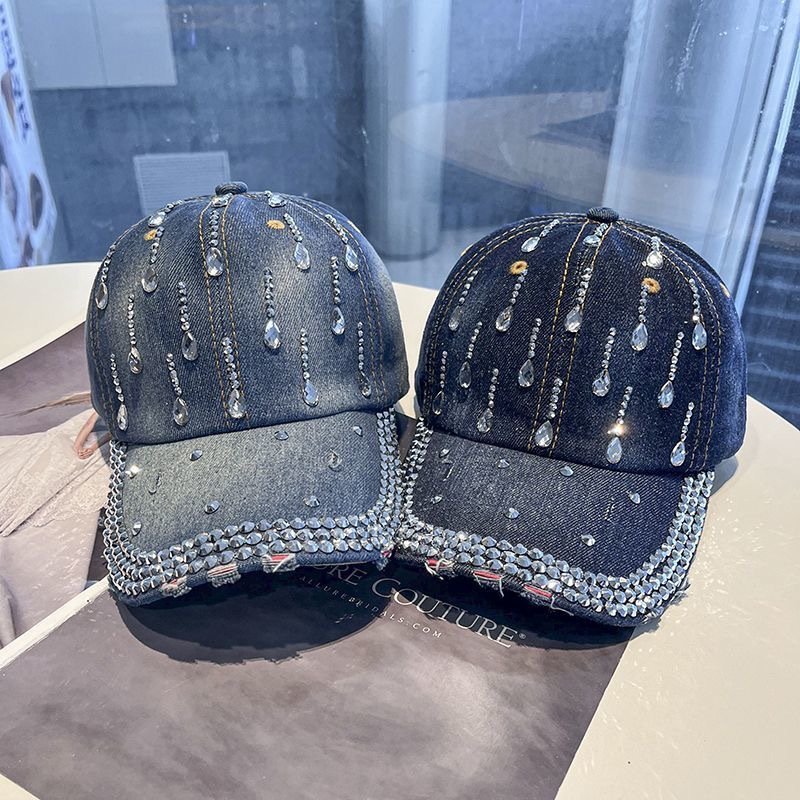
No stiffening insert — behaves closer to fabric. Consistent adhesion easier to achieve on soft panel.
Hat panels curve around the head form. Achieving consistent press pressure across a curved surface requires a curved press caul or careful padding behind the panel.
Foam or buckram inserts in structured caps affect heat distribution and may require longer dwell time at lower temperature. The insert material must not be damaged by the press cycle.
Hat panels are joined by internal or external seams. Placement that approaches a seam edge risks uneven pressure at the boundary. Specify placement distance from all seams.
Crown eyelets for ventilation are positioned near the top of the front panel. Placement that extends toward the crown must account for eyelet position in the artwork map.
Specify cap type, panel count, structured or unstructured, and fabric content.
The usable flat area on the front panel, accounting for curvature and seam borders.
Flat press, curved press, or hat-press attachment — the setup must match the hat form.
Position on the front panel, size, and distance from all seams, eyelets, and edges.
Authorized artwork at production size, stone reference from current chart.
Total units, size run if applicable, packing format, destination, and required date.
Rhinestone transfers can be applied to hat panels, but hat construction presents specific challenges — curved surfaces, structured panels, foam or buckram inserts, seams, and eyelets all affect heat-press access and application quality. The hat type, panel structure, and placement must be confirmed before sampling.
Embroidery stitches through the hat fabric and is secured from behind. A rhinestone transfer bonds to the surface of the fabric panel using heat-activated adhesive. The hat structure must allow flat press access to the chosen panel — embroidered areas near or behind the placement may affect transfer application.
Yes. Structured hat panels contain foam or buckram stiffening that affects how heat distributes through the panel. Unstructured panels behave closer to flat fabric. Each hat construction requires a test application on the actual hat style before production approval.
Flat-front structured panels and unstructured five-panel hats offer the most consistent press access. Baseball cap front panels can be pressed with a curved cap press or with careful padding. Bucket hats require a flat surface behind the placement panel. Each hat type requires a confirmed press setup before sampling.
Foam/buckram stiffening affects heat distribution. Requires curved press or careful padding.
Flat front panel offers better press access. Confirm seams and eyelets do not fall in placement zone.
No stiffening insert — behaves closer to fabric. Consistent adhesion easier to achieve on soft panel.
Hat panels curve around the head form. Achieving consistent press pressure across a curved surface requires a curved press caul or careful padding behind the panel.
Foam or buckram inserts in structured caps affect heat distribution and may require longer dwell time at lower temperature. The insert material must not be damaged by the press cycle.
Hat panels are joined by internal or external seams. Placement that approaches a seam edge risks uneven pressure at the boundary. Specify placement distance from all seams.