Layer A
Embroidery
- Stitch region and direction
- Thread colors and surface
- Small-detail limits
- Base, edge, or garment context
Compose thread, stones, and substrate as named production layers. Then approve their alignment, sequence, attachment, appearance, and performance as one complete sample.

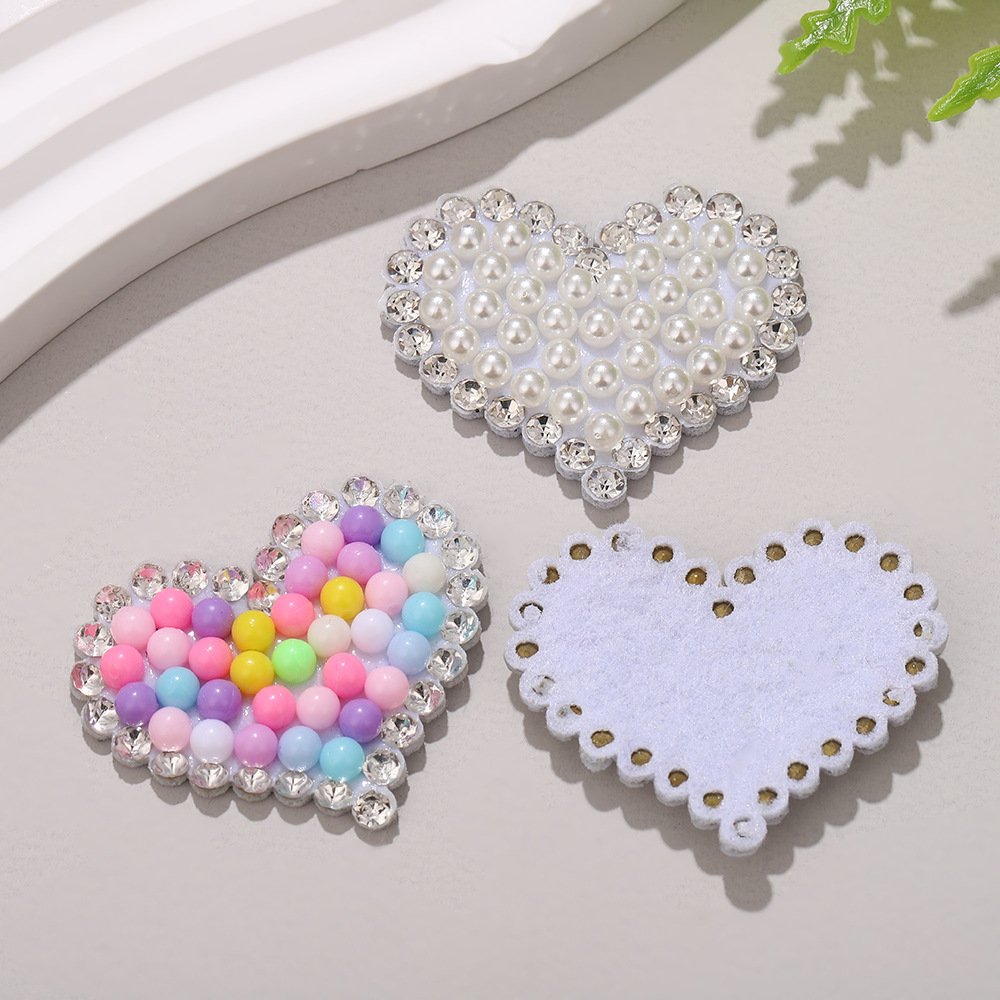
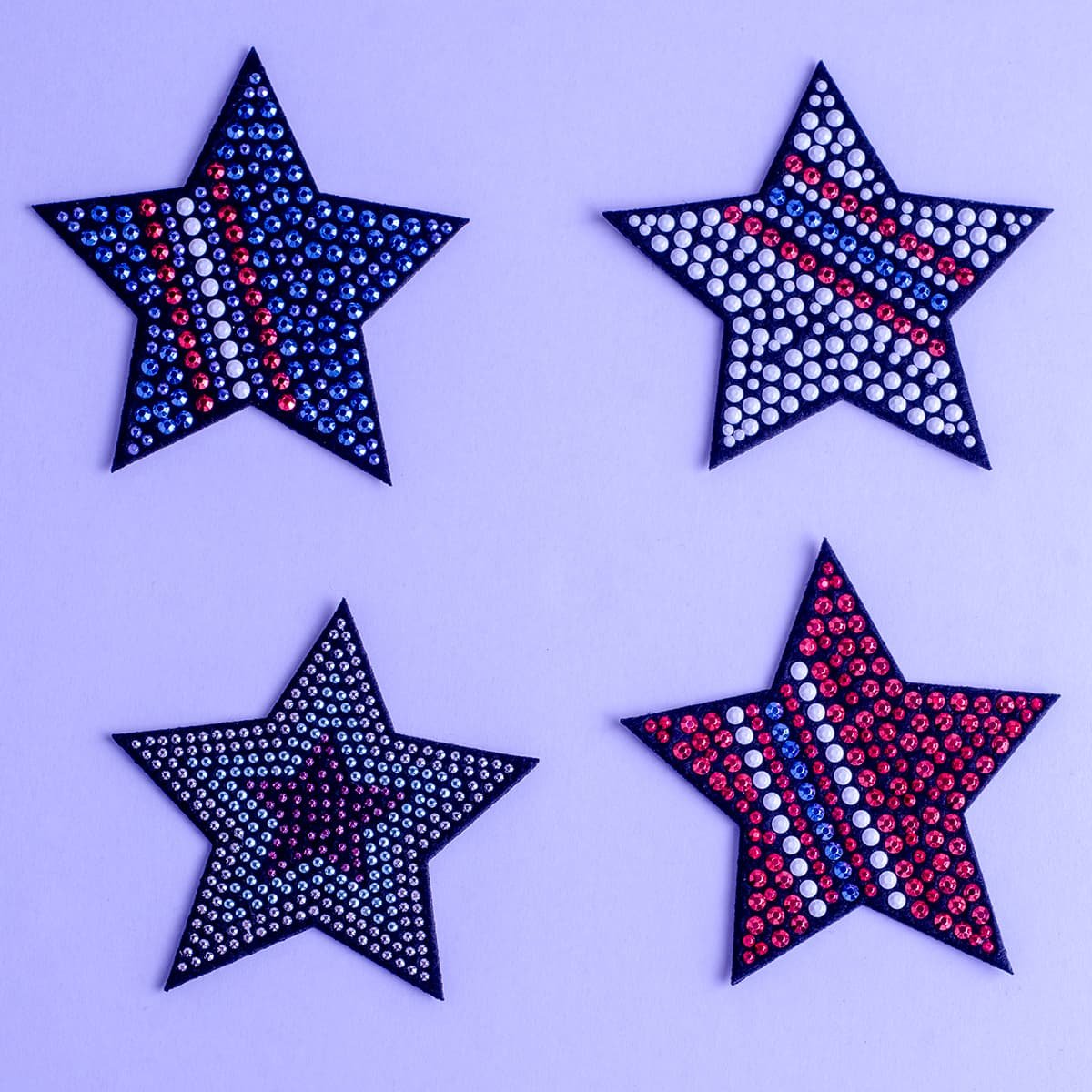
Hybrid work is clearer when each technique has a purpose. Use thread for fields, outlines, lettering, texture, or structural coverage; use rhinestones for selected points, lines, fills, borders, or light-catching emphasis that can be produced and inspected consistently.
The submitted design should separate those regions. If the concept is still exploratory, identify the parts that must stay unchanged and the parts open to production simplification.
Confirm whether this is a separate motif, an edged patch, decoration on a garment panel, or a finished product. The order of operations and application test must match that actual route.
Separate component, decorated panel, supplied blank, or finished product.
Source file, revision, dimensions, technique map, colors, and critical details.
Base fabric or receiving material, color, construction, finish, stretch, and placement.
Thread, stitch intent, edge, coverage, lettering, texture, and tolerances.
Stone type request, size range, colors, spacing, carrier, and application sequence.
Application guidance, intended fabric, appearance, adhesion, care, and buyer checks.
Quantity by design, sample, packing, labels, destination, target date, and terms.
One retained sample and written specification controlling bulk and repeat work.
Key interface checks sit where one technique meets another: stone-to-stitch alignment, decoration-to-base attachment, and complete construction-to-garment application.
Confirm which technique is completed first and how later heat, pressure, handling, or stitching affects it.
Measure the relationship between stitch lines, stone rows, edges, lettering, and the intended placement.
Check heat, pressure, needle, adhesive, surface, stretch, color, and care effects on the actual material.
Write tolerances and acceptance checks so bulk pieces are compared with the same approved reference.
Separate artwork regions and identify the intended product, material, size, placement, and non-negotiable details.
Confirm base, stitch, stones, sequence, attachment, application, quantity, packing, and required test evidence.
Inspect the combination on the intended receiving material—not isolated embroidery and rhinestones from unrelated samples.
Use the approved reference, tolerances, inspection method, item code, revision, and packing requirements for bulk.
The images on this page are technique references, not claims that every pictured item uses the same construction. Your sample and written quote define the proposed hybrid.
A hybrid stitch-and-hotfix concept can be submitted for feasibility review. Support is not confirmed until the artwork, finished size, base or receiving material, stitch construction, stone layout, application sequence, placement, and sample have been reviewed. For further detail, consult Combining Rhinestones and Embroidery in One Design.
Yes. First confirm that you hold the rights needed to reproduce the design. On the artwork, mark thread zones, stone zones, base material, open space, and any other decoration. Give dimensions, colors, placement, receiving product, quantity, destination, and details that cannot be simplified.
Either route can be requested. State whether you need a separate patch or motif, decoration applied to supplied blanks, or a finished-product program. The quote should identify the agreed scope and responsibility for the receiving material.
Approve one complete construction and a written specification. Inspect artwork alignment, stitches, stone placement, base and edge where applicable, application, receiving-material effects, appearance, packing, and buyer-defined tests against that reference.
Hybrid work is clearer when each technique has a purpose. Use thread for fields, outlines, lettering, texture, or structural coverage; use rhinestones for selected points, lines, fills, borders, or light-catching emphasis that can be produced and inspected consistently.
Confirm whether this is a separate motif, an edged patch, decoration on a garment panel, or a finished product. The order of operations and application test must match that actual route.
Separate component, decorated panel, supplied blank, or finished product.
Source file, revision, dimensions, technique map, colors, and critical details.
Base fabric or receiving material, color, construction, finish, stretch, and placement.
Thread, stitch intent, edge, coverage, lettering, texture, and tolerances.