Raised label sourcing

Rubber Heat Transfer Logo Labels: Verify the Build

Specify raised rubber-like logo labels through relief artwork, material identity, backing, garment trial, and care review.

Buyer perspective

The word rubber often describes the feel of a raised mark rather than a precise material or attachment method. Buyers need a written construction proposal: face material, relief, thickness, backing, and the fabric that will receive it. The applied label is the product to approve.

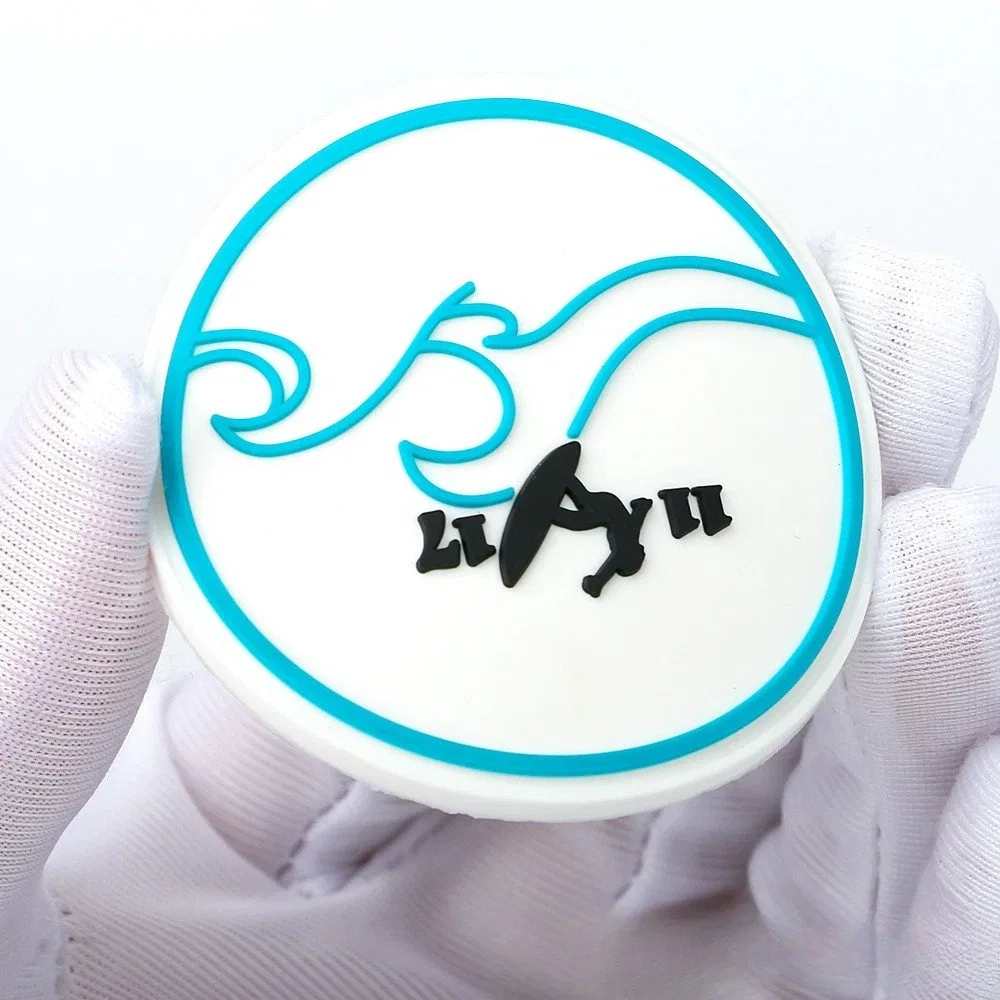
Soft rubber logo label reference before a garment-specific attachment trial
Product reference image; confirm your own artwork, material, and placement in a sample.

What to decide

Build a brief that can be tested

Field note 01

Translate artwork into relief

Identify raised and recessed zones, edge shape, smallest lettering, and desired color separation at final size. Review a physical sample for depth and tactile effect. If the mark is too fine for the proposed construction, revise the art rather than accepting an unclear logo.

Field note 02

Test the reverse

Ask the maker to identify the actual attachment layer and supplier-recommended process. Apply to the intended garment fabric, accounting for seams, stretch, and surface finish. Inspect edge feel and visible fabric change after cooling and handling.

Field note 03

Record the result

Agree on care observations relevant to the garment and document any lift, cracking, or surface distortion without generalizing to all rubber labels. Keep material identity, approved sample, artwork version, and application record together for repeat orders.

Sample protocol

Test the raised label and garment as one build

A soft-looking moulded logo is not proof of an application method. Identify the face and backing, then trial the exact material on the production garment with the supplier's current instructions.

  1. STEP 1

    Before

    Record relief map, label dimensions, material identity, backing, fabric finish, and intended location.

  2. STEP 2

    Application

    Log the process used by the decorator and note seam or pressure obstacles without publishing universal settings.

  3. STEP 3

    After

    Inspect edge, surface, hand feel, and fabric response after cooling and agreed care or handling.

Retest if either side of the interface changes; the accepted face sample alone does not authorize a new substrate.

Bring to the inquiry

  • Material and relief proposal
  • Final-size artwork
  • Backing and receiving fabric
  • Applied sample and care observations
Wholesale Inquiry

Request a Bulk Quote

Send your artwork, quantity, destination, and specifications for a tailored quote.

By submitting, you agree to our privacy policy.