Stone-size planning

Rhinestone Size Selection: Read the Design at Real Scale

Choose rhinestone size using artwork detail, viewing distance, garment texture, and a physical sample.

Buyer perspective

A stone-size code is useful only when connected to the design it must create. Smaller points can support fine detail, while larger stones change sparkle and visual weight. The buyer should compare an actual-size sample on the target garment instead of choosing from an enlarged online close-up.

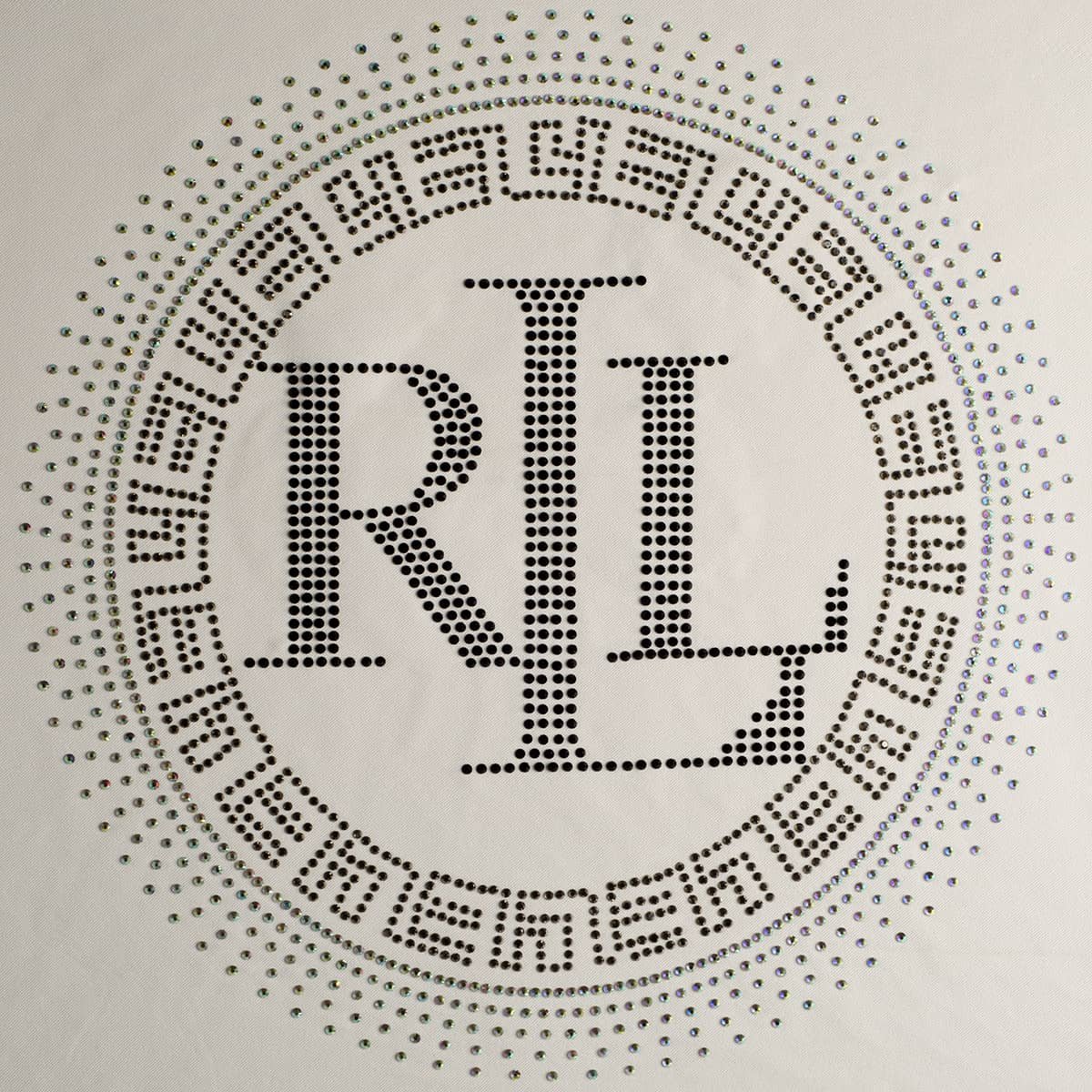
Fine-stone rhinestone heat-transfer reference
Product reference image; confirm your own artwork, material, and placement in a sample.

Specification

Measure design readability before choosing a stone

The useful size is the one that reproduces the required motif at its finished dimensions. Record the design envelope and smallest meaningful detail.

Outer envelope
Measure the full motif width and height including the farthest stones, not only the original vector outline.
Critical gap
Identify the narrowest letter opening or negative-space detail that must remain visible.
Viewing distance
Compare sample alternatives from the intended audience distance on the real garment color.

Choose stone size from the physical design proof; a nominal size code by itself cannot approve the finished graphic.

What to decide

Build a brief that can be tested

Specification 01

Start with the silhouette

Print the art at finished dimensions and mark essential lines or letters. Consider whether those features can be built from discrete stones without closing gaps. A complex mark may need simplification before any stone size will read cleanly.

Specification 02

Match the viewing distance

Check the motif near and far under the lighting where it will be seen. A design for a small accessory has different detail demands from a stage garment viewed across a room. Compare alternatives at the same physical motif size.

Specification 03

Test the fabric surface

Texture, stretch, and color can change how stone spacing appears after application. Inspect a sample on the actual blank and note which stone sizes and colorways were approved. Avoid extending the result to another fabric without review.

Bring to the inquiry

  • Finished artwork dimensions
  • Critical detail or text
  • Viewing distance
  • Garment fabric and color
Wholesale Inquiry

Request a Bulk Quote

Send your artwork, quantity, destination, and specifications for a tailored quote.

By submitting, you agree to our privacy policy.