Applied patch inspection

Rhinestone Felt Patch Edge and Backing Tests

Test a rhinestone felt patch's cut edge, backing and perimeter on the actual garment before approving its attachment and care result.

Buyer perspective

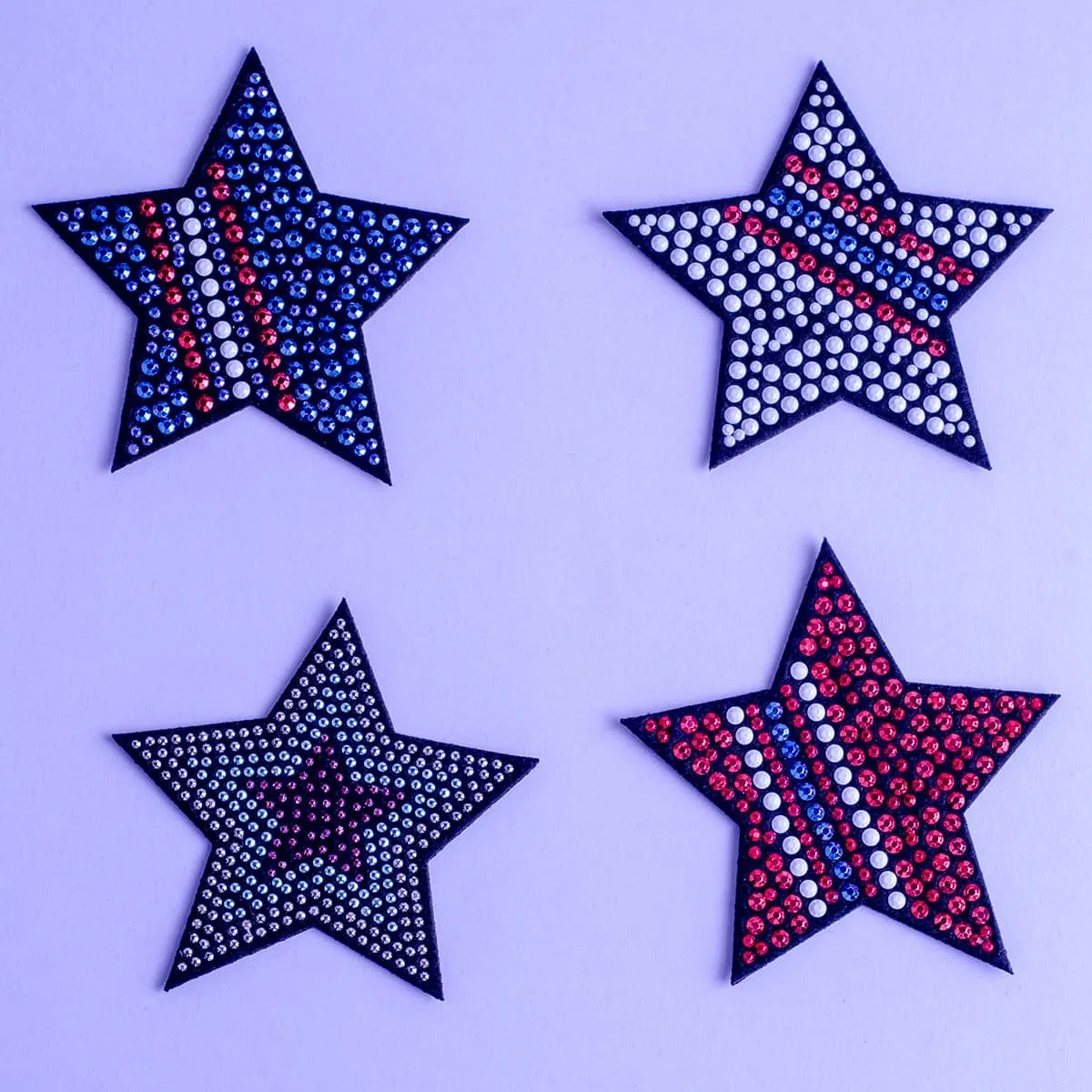
Use this protocol after choosing a felt-patch reference: it checks the cut edge, exposed base, backing and applied perimeter on the intended garment. The pictured stars show appearance, not proof of a future backing. Keep each motif-and-backing variant identified through bending, attachment and relevant care checks; use the linked collection for product selection.

Four star-shaped rhinestone patches on dark textile bases, shown loose before garment application
Product reference image; confirm your own artwork, material, and placement in a sample.

Sample protocol

Test the felt edge and backing as a system

A loose felt patch can look soft and dimensional on a white tabletop. On a garment, the exposed border, attachment method, and stone layout decide whether the finished decoration reads cleanly. Test the nominated patch on the actual substrate before placing a range order.

  1. STEP 1

    Edge observation

    Check the cut outline, color consistency, and any visible fibers around narrow curves. Compare a pale and dark garment if the intended assortment includes both; contrast can reveal edge defects.

  2. STEP 2

    Attachment trial

    Ask which backing is supplied, then attach a sample using its current instructions. Inspect corners and raised details after cooling and handling, particularly where the felt crosses seams.

  3. STEP 3

    Stone inspection

    Look for missing or displaced stones and examine whether the felt base remains visible where the artwork intended. Record the patch version and garment used for approval.

A felt patch passes only when its border, stones, and specified backing work together on the target garment.

What to decide

Build a brief that can be tested

01Evidence file

Use the base intentionally

Print the full patch outline at finished size, including exposed textile around the outer stones. Test it against each garment color. A border that sharpens a star on pale fabric may turn into an unwanted halo on a dark garment.

02Evidence file

Inspect the perimeter

Review sharp points, curved cuts, loose fibers, and the placement of the outermost stones. Bend a representative patch in ways relevant to its receiving garment. Record observations from the exact sample rather than promising one durability level for every felt-like base.

03Evidence file

Verify attachment

Ask for the quoted reverse and current application or sewing instructions. Attach the sample to the actual fabric and inspect edge contact, fabric marks, and relevant care behavior. Keep motif and backing variants separately identified.

Bring to the inquiry

  • Full patch silhouette and base color
  • Stone and edge proof
  • Garment and attachment
  • Applied sample and pack code
Wholesale Inquiry

Request a Bulk Quote

Send your artwork, quantity, destination, and specifications for a tailored quote.

By submitting, you agree to our privacy policy.

FAQ

Common questions

Why should a felt patch's edge and backing be tested together?

A loose felt patch can look soft and dimensional on a white tabletop. On a garment, the exposed border, attachment method, and stone layout decide whether the finished decoration reads cleanly. Test the nominated patch on the actual substrate before placing a range order.

What should a felt-patch cut-edge inspection record?

Check the cut outline, color consistency, and any visible fibers around narrow curves. Compare a pale and dark garment if the intended assortment includes both; contrast can reveal edge defects.

How should the selected felt backing be trialed on a garment?

Ask which backing is supplied, then attach a sample using its current instructions. Inspect corners and raised details after cooling and handling, particularly where the felt crosses seams.

What should stone inspection record during a felt-patch trial?

Look for missing or displaced stones and examine whether the felt base remains visible where the artwork intended. Record the patch version and garment used for approval.

How can a felt border change appearance across garment colors?

Print the full patch outline at finished size, including exposed textile around the outer stones. Test it against each garment color. A border that sharpens a star on pale fabric may turn into an unwanted halo on a dark garment.

How should a felt-patch perimeter be checked during bending?

Review sharp points, curved cuts, loose fibers, and the placement of the outermost stones. Bend a representative patch in ways relevant to its receiving garment. Record observations from the exact sample rather than promising one durability level for every felt-like base.

What evidence confirms the attachment of a chosen felt-patch variant?

Ask for the quoted reverse and current application or sewing instructions. Attach the sample to the actual fabric and inspect edge contact, fabric marks, and relevant care behavior. Keep motif and backing variants separately identified.

When should a felt-edge trial lead to a construction change?

If the visible base overpowers the stones or an edge catches in use, change the cut, placement, or construction before ordering the assortment.

What does the felt-patch edge and backing protocol evaluate?

Test a rhinestone felt patch's cut edge, backing and perimeter on the actual garment before approving its attachment and care result.

Where should I select a felt-patch reference before testing its edges?

Use the linked Rhinestone Felt Patches Wholesale collection to choose the catalog reference. Then use this edge-and-backing protocol to test that exact motif, backing and garment combination; product selection does not by itself approve the attachment.

Contact Us