Rhinestone Color Selection for Apparel
Choose rhinestone colors against actual garment fabrics using contrast, lighting, motif scale, sample records, and reorder controls.
Buyer perspective
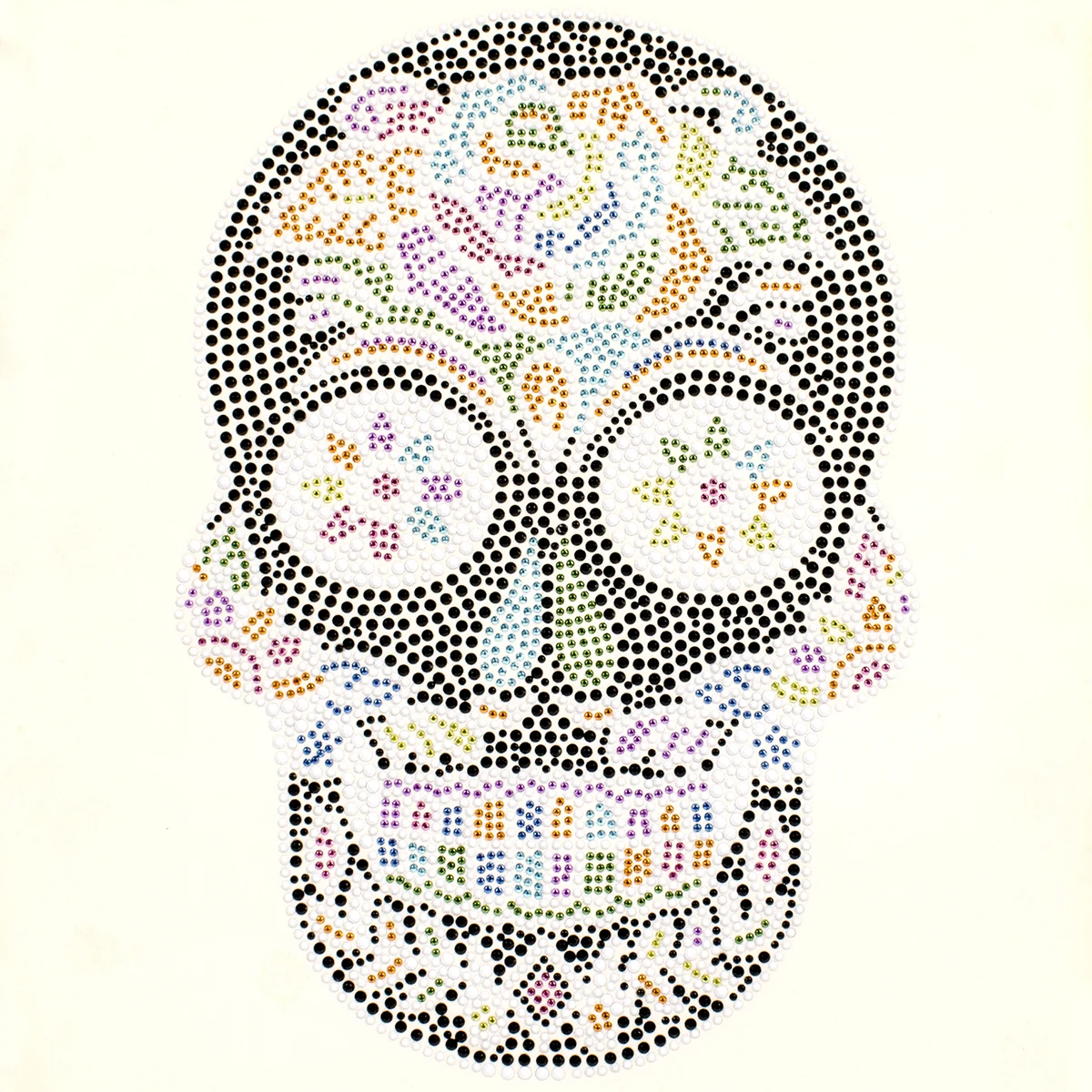
A stone color viewed on a white product card can change character against black, heather, or saturated fabric. Plan color in the finished garment context and under the light in which the item will be worn or sold. The pictured multicolor motif is a reference, not a universal color chart.
What to decide
Build a brief that can be tested
- 1
Route checkpoint
Start with the fabric
Gather the actual garment colors and compare candidate stones on each. Check contrast at normal viewing distance and at an angle. A subtle tone-on-tone effect may be intentional, but it should not accidentally erase important text or outlines.
- 2
Route checkpoint
Limit competing accents
Assign a primary color, supporting highlight, and any special-effect stone a clear visual job. Test the scheme at final motif size. Very small designs may need fewer colors so the shape remains readable.
- 3
Route checkpoint
Record physical approval
Photograph samples under named lighting but retain the physical reference where color matters. Note supplier color identifiers, garment model, artwork revision, and placement. Reapprove when fabric color or stone source changes.
Approval gate
Reapprove color when the fabric changes
An approved stone palette on a black tee is later requested on a heather or saturated garment. The stone identifiers have not changed, but the visible contrast has. Route the new colorway through its own physical proof rather than carrying the original approval forward.
Match the substrate
Use the actual new blank and compare stones at finished design size in the lighting relevant to sale. Check text and outline visibility from normal distance.
Keep intent clear
Distinguish a deliberately subtle tone-on-tone treatment from a motif that accidentally disappears. Adjust supporting accents only if the visual hierarchy remains coherent.
Record the variant
Preserve garment model and color, stone identifiers, artwork revision, lighting note, and accepted physical sample together. Recheck if either supplier source changes.
Color approval belongs to the specific garment-and-stone pairing, not to a digital swatch detached from fabric.
Bring to the inquiry
- Actual fabric swatches
- Motif at finished size
- Stone identifiers and hierarchy
- Approved physical sample
Request a Bulk Quote
Send your artwork, quantity, destination, and specifications for a tailored quote.