
Buyer worksheet / reference TB-RTC-ECC-039

Crystal-chain cut planning and receiving

Plan usable cuts. Reconcile every reel.

Total chain length does not tell you how many uninterrupted garment runs a reel can supply. Use this worksheet to turn measured placements into a cut schedule, keep color and gauge allocations separate, and record what arrives. The photographs identify a catalog reference; the worked numbers below are fictional planning inputs.
Contact Us
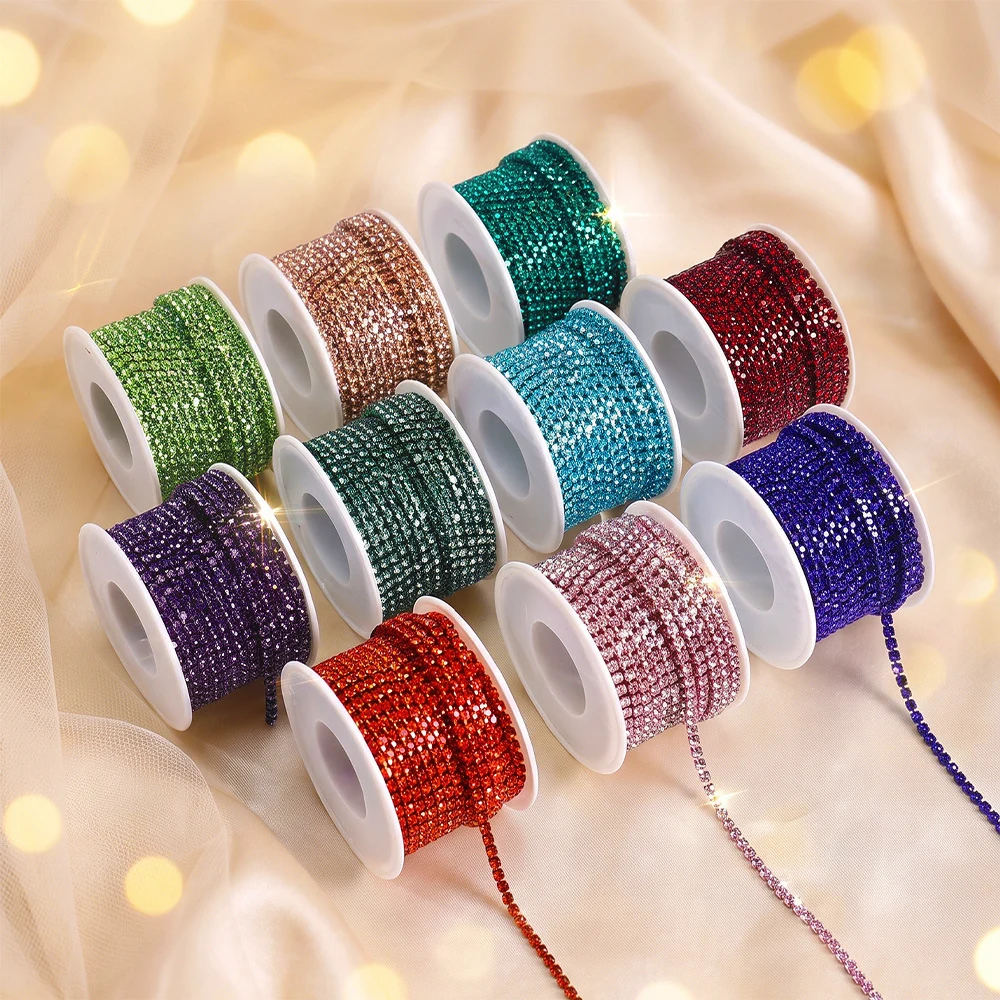
Nine photographed colored crystal chain reels including green, red, blue and pink
Reference TB-RTC-ECC-039: these examples do not establish current reel length, availability or how many usable cuts a delivered unit will provide.

Start with a clearly labeled worked example.

6 cuts

Required complete runs: Q

Hypothetical order: six equal runs in one approved color and gauge. No joining of short remnants is allowed in this example.

1.1 m

Cut length per run: L

Fictional final cut length, including any agreed end allowances. It is not a product dimension, waste recommendation or fastening instruction.

2 m

Usable length per reel: U

Assume each example reel has one continuous usable two-meter length. This is not a current LCHOTFIX sale-unit or yield promise.
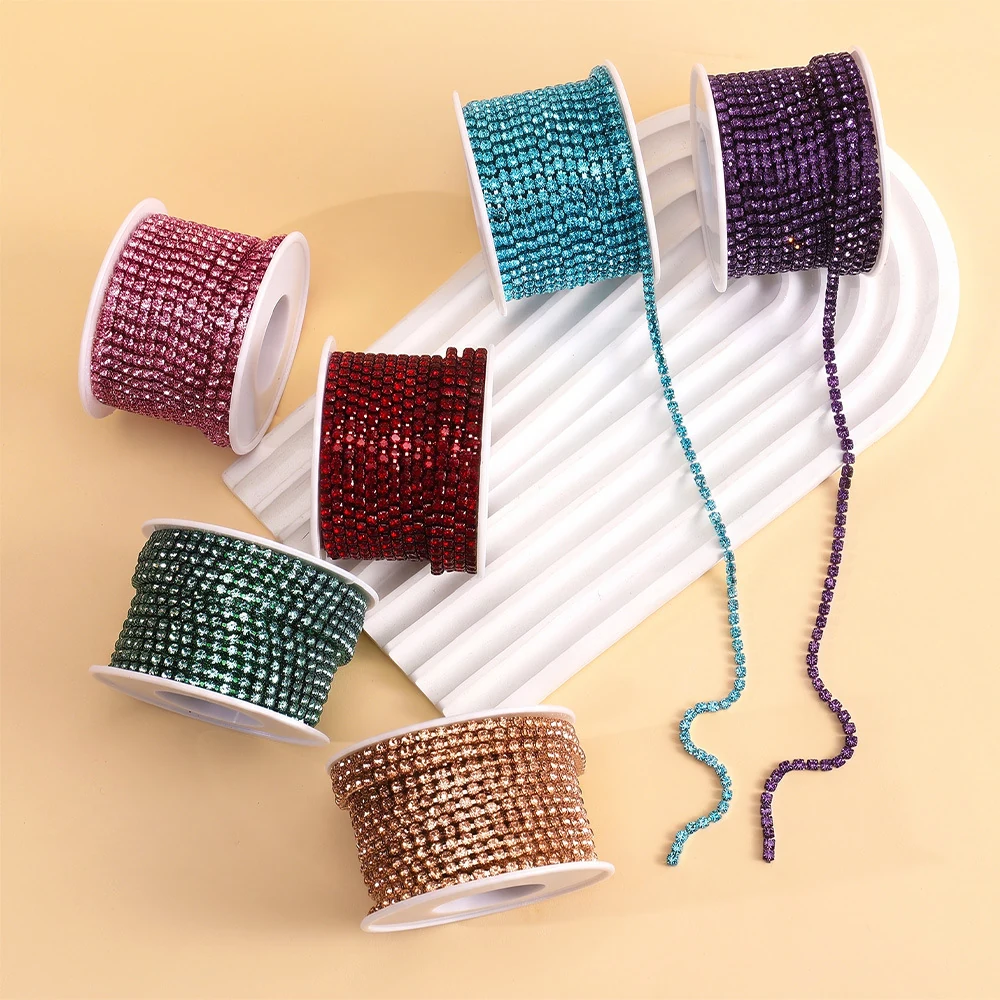
Colored crystal-chain reels with loose lengths laid on tan paper
Keep the selected physical color and gauge reference with its own cut schedule; a photograph does not establish which combinations are currently supplied.
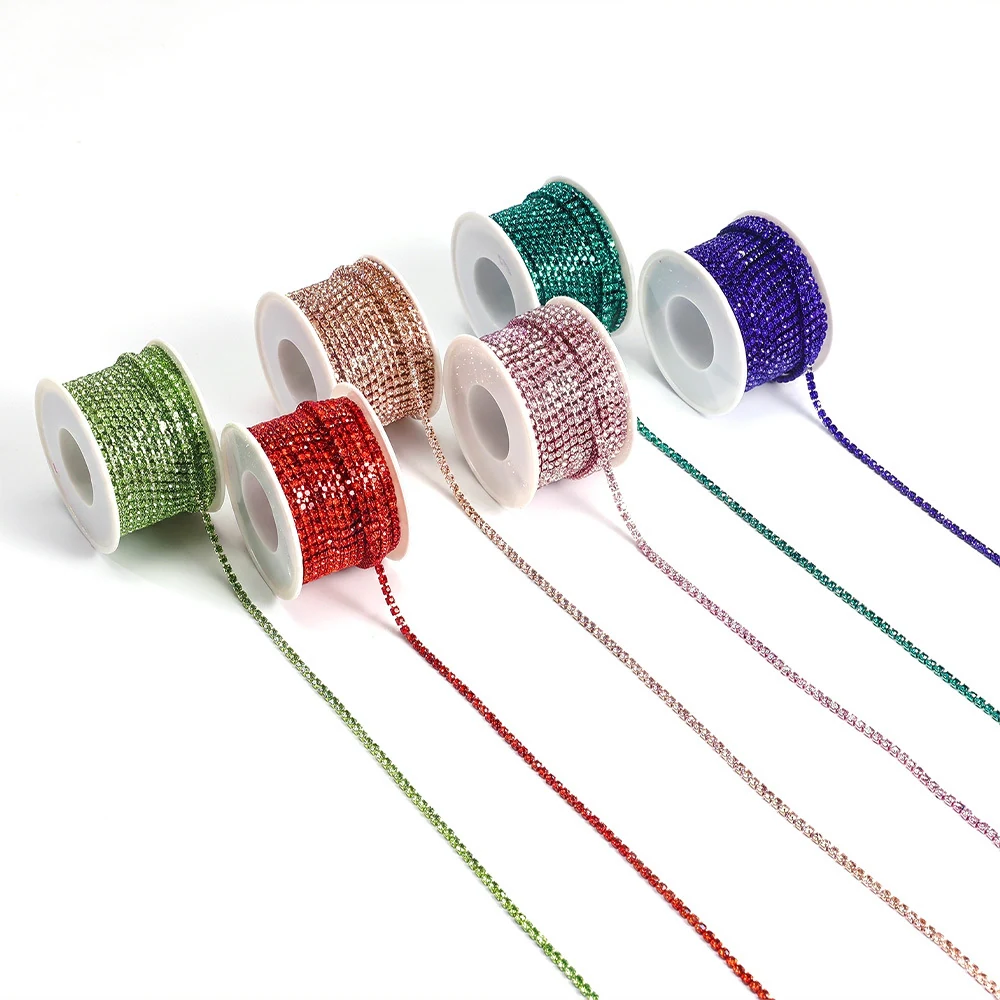
Six colored crystal-chain reels with long loose ends on white
Inspect a loose, measured interval. A wound reel can conceal breaks or unsuitable settings that divide the length available for uninterrupted cuts.

Fictional example result

6 reels

Four reels contain enough total meters, but cannot supply six separate 1.1 m cuts when each reel has only 2 m of continuous usable chain.

Count complete cuts before rounding reel quantities.

For equal-length cuts from identical continuous usable reels, cuts per reel = floor(U / L), and reels needed = ceil(Q / cuts per reel). Floor means round down; ceil means round up. Here floor(2 / 1.1) = 1, so ceil(6 / 1) = 6 reels. Each leaves 0.9 m, which is too short for another 1.1 m run. The shortcut ceil((6 × 1.1) / 2) = 4 counts meters but overlooks the unjoinable remnants. Use positive measured inputs; if U is less than L, the plan is infeasible and must be revised, not divided by zero.

Build the actual cut schedule in three passes.

  1. 01

    Measure the installed path

    Measure the route on the finished article, including its tightest turn. Agree the attachment, cut points and end treatment on a mounted sample. Add only the allowances that this approved construction requires, and record the resulting cut length; there is no universal waste percentage or fastening method in this worksheet.

  2. 02

    Assign continuous segments

    Give each reel or usable remnant an ID and a measured length. Assign each required cut to one continuous segment and subtract its full approved cut length. For mixed lengths, try an explicit longest-first layout, then review alternatives: that planning method is not a guarantee of the smallest possible reel count. Do not pool incompatible colors or gauges to make the arithmetic fit.

  3. 03

    Record leftovers and changes

    List every assigned cut, remaining segment and unmet run. Count partial reels by their actual continuous length, not as full units. A damaged interval can split one reel into several segments. Keep reusable remnants labeled for future compatible cuts; if joining or a different end treatment is proposed, obtain a new approved construction before recalculating.

Keep one planning row per approved color and gauge.

Copy the four fields below into the order worksheet. Link each row to its physical swatch, cut schedule and usable-segment list. Use one length unit throughout: one yard equals 0.9144 meters. The catalog's historical ten-yard option is not a present packing promise. Confirm the actual unit, continuous usable length and color/gauge combination in the current written offer before treating a reel count as an order quantity.
Approved color + gauge ID
Cut length × count
Usable segment IDs
Unmet cuts / surplus
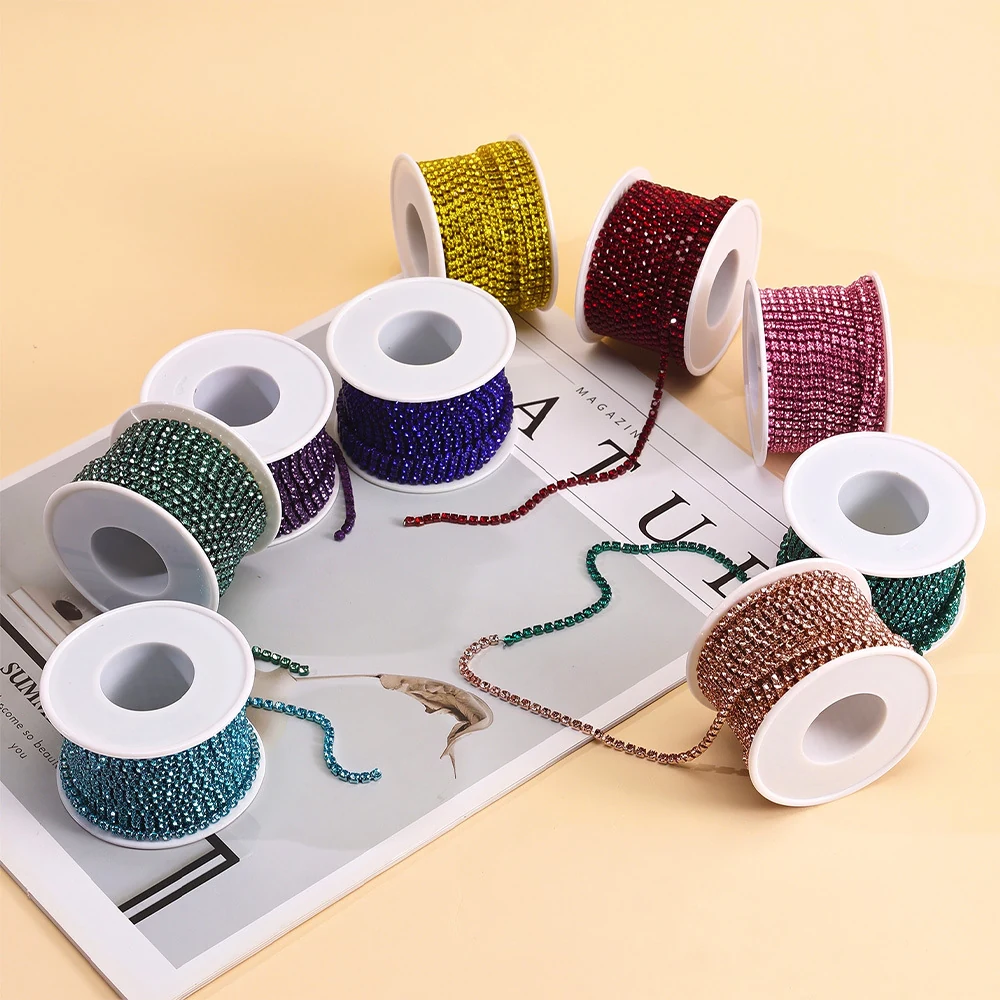
Assorted colored crystal-chain reels arranged around a white booklet
Record the physical swatch or approved photograph and current combination availability on each row; never substitute a shade just to use a remainder.
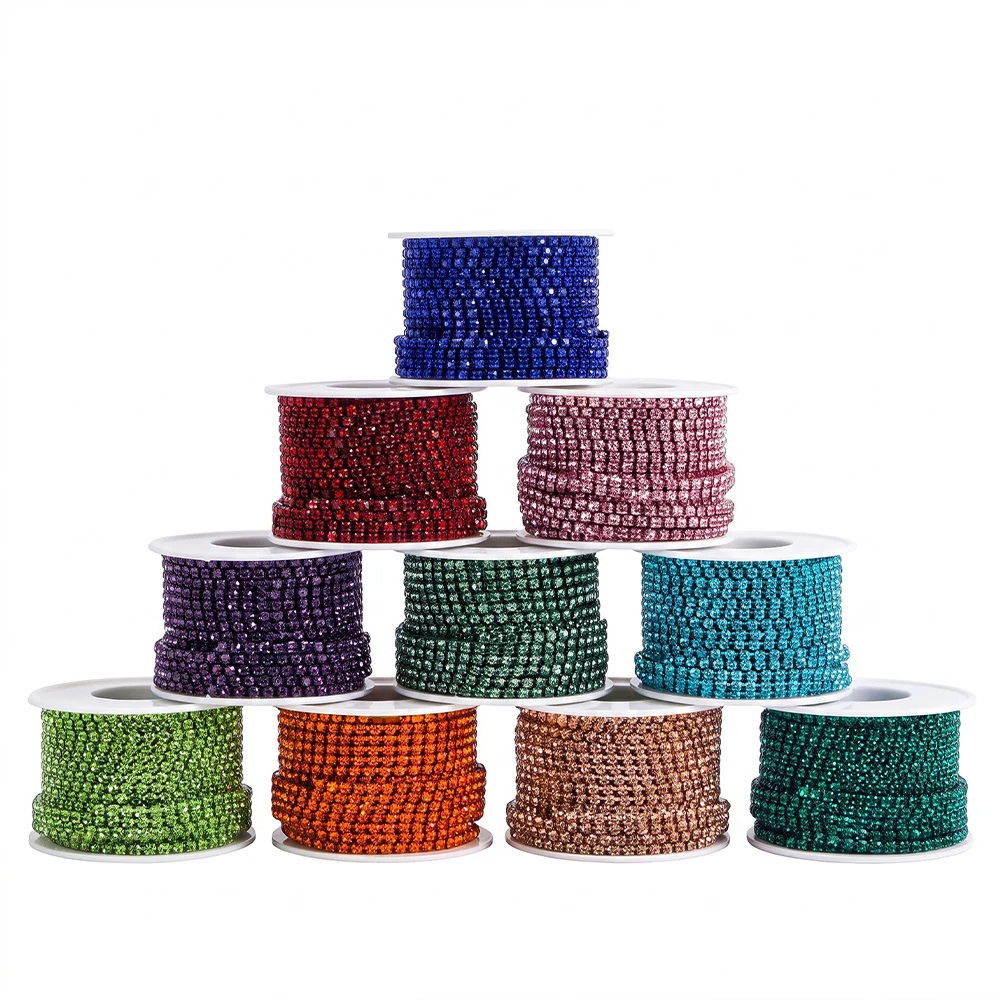
Pyramid of ten brightly colored crystal-chain reels on white
Keep gauge and color allocations separate even when reels look similar. The pictured range is a reference, not a complete current availability matrix.

Reconcile the delivery with the cut plan.

Match each delivered label to the approved color/gauge row before measuring. Record the reel ID, stated unit and the continuous usable segments actually checked. Compare agreed beginning/end intervals with the retained sample for empty settings, color differences and damaged connectors. Note the location of any exception so the cut schedule can be revised. Sampling selected intervals does not prove the uninspected middle is defect-free or establish a statistical acceptance level.

Complete one receiving record per identified unit

  • Reel/lot label, approved color-gauge ID and current offer reference
  • Measurement unit, checked segment lengths and any unchecked portions
  • Exception location, photograph, affected cuts and remaining usable segments
  • Accept, clarify or hold decision, responsible person and revised cut-plan version

Release a decision, not an unexplained reel total.

Accept a line only against the agreed specification and inspection plan. Mark it clarify if the sale unit, continuity, color/gauge or mix rule is unresolved; hold affected material separately when the receiving check finds an exception. Ask LCHOTFIX to confirm minimums, permitted mixes and the remedy in the same units as the written offer. The calculation does not establish availability, acceptance tolerances, a guaranteed yield or permission to join short lengths.

Use the multicolor claw-set chain product record for its photographed construction and archived stone-gauge references. This guide supplies the cut and receiving method, not another product specification. For other geometries, browse Rhinestone Trims & Chains and build a new plan around the selected construction; another trim is not an automatic substitute for the approved chain.

Optional sourcing handoff

Share the completed cut schedule and open questions.

Contact Us

Crystal-chain planning questions

Why does the crystal-chain worksheet example need six reels rather than four?
The example is fictional: six uninterrupted 1.1 m cuts are required, and each reel has 2 m of continuous usable chain. Only one complete cut fits on each reel. Four reels provide enough total meters but cannot provide six separate cuts when joining remnants is not allowed. Actual reel lengths and construction rules must come from the current LCHOTFIX offer.
Which measurements belong in the LCHOTFIX chain cut-length field?
Record the installed path on the actual article plus the allowances agreed for its attachment and end treatment. Keep the measurement unit and sample revision beside that cut length. Do not add an unexplained percentage or treat the chain's photographed width as its usable run length.
When can the equal-cut crystal reel formula be used?
Use it for identical required cut lengths from reels with the same confirmed continuous usable length: cuts per reel = floor(U / L), then reels needed = ceil(Q / cuts per reel). Inputs must be positive; floor rounds down and ceil rounds up. The formula assumes the agreed cut allowances are included and the chosen construction permits those cut points. Mixed lengths or separated usable segments need an explicit cut schedule.
What should a chain buyer do when one required run exceeds a usable reel?
If U is less than L, the equal-cut plan supplies no complete run and the division must stop. Ask whether the exact approved construction can be supplied as a longer continuous unit. Joining, shortening or changing the decoration is a design decision requiring a revised sample or specification, not an automatic arithmetic workaround.
How should partial crystal-chain reels be entered in the order plan?
Give each partial reel or loose segment an ID, color/gauge reference and measured continuous usable length. Allocate only complete compatible cuts that fit that segment. Keep its remaining length visible after each allocation; several short pieces are not one long piece unless a joining method has been separately approved.
Does sorting mixed chain cuts from longest to shortest guarantee the fewest reels?
No. It is a practical starting layout, not a guarantee of an optimal cutting plan. List the actual cut lengths, counts and available segments, try allocations and review alternatives. Keep color, gauge, required continuity and approved cut-point constraints separate so a mathematically convenient arrangement does not change the product brief.
Can the historic ten-yard chain option be used as a current purchasing unit?
Not without confirmation. One yard is exactly 0.9144 meters, so a stated length can be converted, but the catalog's historical ten-yard reference does not prove current packing or usable continuity. Request the offered unit and its usable length for the selected color/gauge, then apply one measurement unit consistently throughout the schedule.
Can leftover chain in another color or gauge reduce the planned reel quantity?
Only if that different construction is independently approved for the specific run. Maintain separate rows for each approved color and gauge. Record usable remnants for future compatible work instead of silently substituting them or assuming all pictured combinations are available from LCHOTFIX.
What evidence should accompany a crystal-chain receiving exception?
Record the reel or lot label, color/gauge row, current offer reference, checked length interval, exception location and a clear photograph. Note which planned cuts are affected and whether the remaining usable chain is one segment or several. Beginning/end sample checks do not establish that every uninspected setting is acceptable.
What completes the chain worksheet before LCHOTFIX is asked to confirm an order?
Keep the approved sample, unit-normalized cut schedule, continuous-segment allocations, identified surplus or unmet runs and receiving decision together under one revision. Mark each line accept, clarify or hold against the agreed specification. Ask separately about current minimums, mixed-color or gauge rules, availability, packing and any unresolved remedy; the calculated reel total is not a commercial commitment.