Pattern patch planning

Leopard and Cheetah-Print Iron-On Patches

Select animal-print iron-on patches by pattern scale, border contrast, garment color, backing confirmation, and sample testing.

Buyer perspective

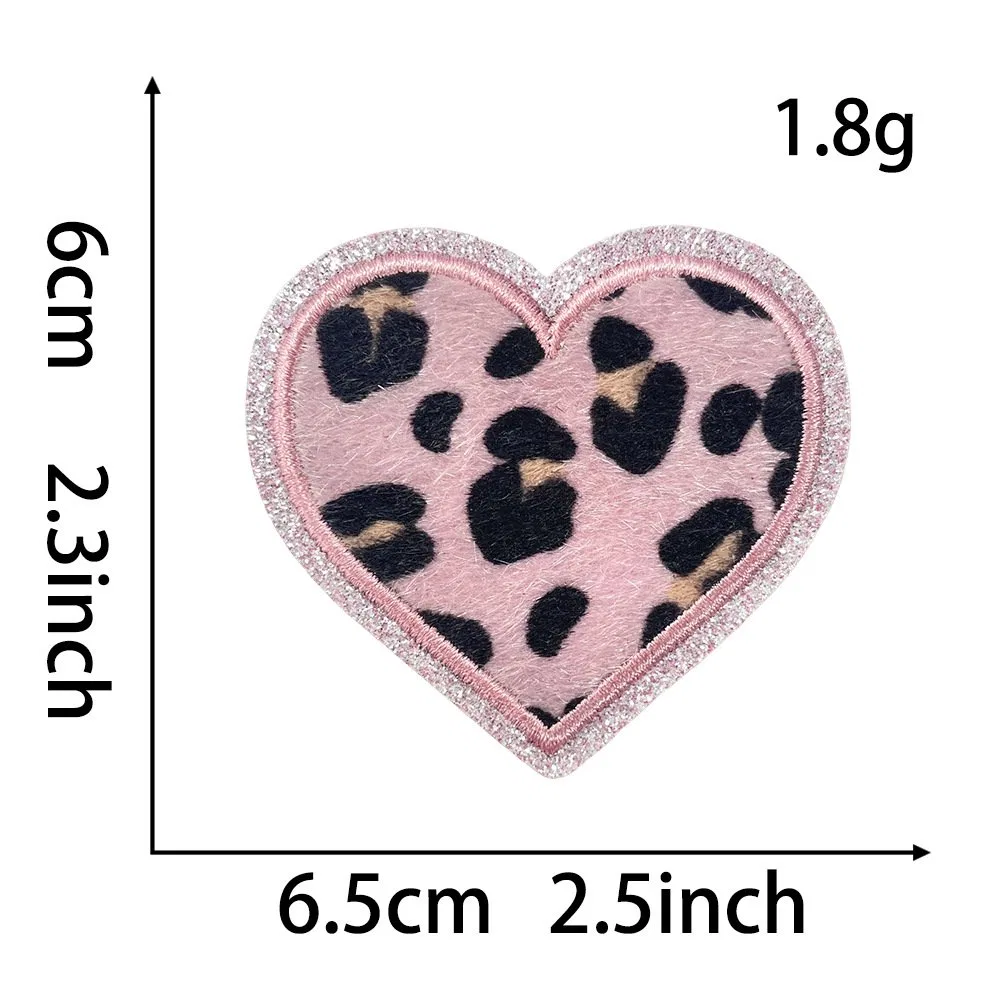
Animal print depends on proportion. Spots that look clear on a large artwork file can become an indistinct texture on a small patch, especially when a border and stones compete for the same space. The photographed leopard-style heart is one reference; it is not evidence of a matching cheetah option.

Leopard-pattern heart iron-on patch reference; cheetah variants require separate proof
Product reference image; confirm your own artwork, material, and placement in a sample.

Approval gate

The approved leopard heart cannot approve a cheetah variant

A buyer likes a photographed leopard-pattern heart and requests a cheetah version in a smaller size. Those are two changed variables: the spot design and the physical scale. Treat the new variant as its own proof instead of reusing the first image as approval.

  • Name the pattern

    Keep distinct artwork IDs for leopard and cheetah directions, including the exact spot shapes, colors, and border. Avoid an ambiguous order line labeled only animal print.

  • Check the reduced proof

    Place both patterns at the new finished size on the intended fabric. View them from normal distance and check whether borders and spots still separate.

  • Approve the real patch

    Confirm the selected backing and application guidance, then inspect the attached sample after cooling and relevant garment handling. Record which specific pattern and size passed.

A second variant becomes sale-ready only after its own artwork and applied sample are accepted; resemblance to the first photograph is insufficient.

What to decide

Build a brief that can be tested

Case note01

Proof the pattern at scale

Print the motif at finished dimensions and inspect spot size, open space, and the shape's silhouette. Compare leopard and cheetah directions separately rather than treating the names as interchangeable. Record the approved pattern version and color palette.

Case note02

Place against the real garment

Check print contrast on each planned fabric color and consider seams or curved panels. A bold border can separate the patch from a busy garment; on a plain garment it may dominate the motif. Test placement on a representative item.

Case note03

Confirm the iron-on construction

Request the actual backing and current application guidance for the selected patch. Apply a sample to the intended material and inspect edge lift, pattern appearance, and surrounding fabric after cooling and relevant care.

Bring to the inquiry

  • Approved animal-print artwork
  • Patch dimensions and border
  • Garment color and placement
  • Backing and applied sample
Wholesale Inquiry

Request a Bulk Quote

Send your artwork, quantity, destination, and specifications for a tailored quote.

By submitting, you agree to our privacy policy.

FAQ

Common questions

What does “The approved leopard heart cannot approve a cheetah variant” tell me about the Leopard and Cheetah-Print Iron-On Patches reference?

A buyer likes a photographed leopard-pattern heart and requests a cheetah version in a smaller size. Those are two changed variables: the spot design and the physical scale. Treat the new variant as its own proof instead of reusing the first image as approval.

What should I check about name the pattern before ordering Leopard and Cheetah-Print Iron-On Patches?

Keep distinct artwork IDs for leopard and cheetah directions, including the exact spot shapes, colors, and border. Avoid an ambiguous order line labeled only animal print.

How should buyers check the reduced proof for Leopard and Cheetah-Print Iron-On Patches?

Place both patterns at the new finished size on the intended fabric. View them from normal distance and check whether borders and spots still separate.

How should buyers approve the real patch for Leopard and Cheetah-Print Iron-On Patches?

Confirm the selected backing and application guidance, then inspect the attached sample after cooling and relevant garment handling. Record which specific pattern and size passed.

What should I check about proof the pattern at scale before ordering Leopard and Cheetah-Print Iron-On Patches?

Print the motif at finished dimensions and inspect spot size, open space, and the shape's silhouette. Compare leopard and cheetah directions separately rather than treating the names as interchangeable. Record the approved pattern version and color palette.

What should I check about place against the real garment before ordering Leopard and Cheetah-Print Iron-On Patches?

Check print contrast on each planned fabric color and consider seams or curved panels. A bold border can separate the patch from a busy garment; on a plain garment it may dominate the motif. Test placement on a representative item.

How should buyers confirm the iron-on construction for Leopard and Cheetah-Print Iron-On Patches?

Request the actual backing and current application guidance for the selected patch. Apply a sample to the intended material and inspect edge lift, pattern appearance, and surrounding fabric after cooling and relevant care.

Which approval decision should a Leopard and Cheetah-Print Iron-On Patches quote record?

If the pattern loses definition at the intended size, enlarge the patch or simplify the spots. Do not assume a photographed variant predicts another animal-print build.

What does the Leopard and Cheetah-Print Iron-On Patches B2B brief help a wholesale buyer decide?

Select animal-print iron-on patches by pattern scale, border contrast, garment color, backing confirmation, and sample testing.

When should a reader of Leopard and Cheetah-Print Iron-On Patches consult Custom Embroidery & Embroidered Patches Wholesale?

The Leopard and Cheetah-Print Iron-On Patches page links to Custom Embroidery & Embroidered Patches Wholesale for this related decision: request wholesale custom embroidery and embroidered patches for apparel, bags, caps, labels, and branded garment-accessory programs. Read that separate reference when its receiving product or buying question matches your own brief.

Contact Us