Application planning

Custom Rhinestone Heat Transfers: Application Brief

Specify a custom rhinestone heat transfer around the actual garment, press process, artwork, and acceptance test.

Buyer perspective

Heat-transfer artwork has two approval stages: the motif itself and its behavior after application. A clean digital mockup does not establish how the stones sit on a textured knit or whether the placement can be pressed evenly. Buyers should make application conditions part of the brief.

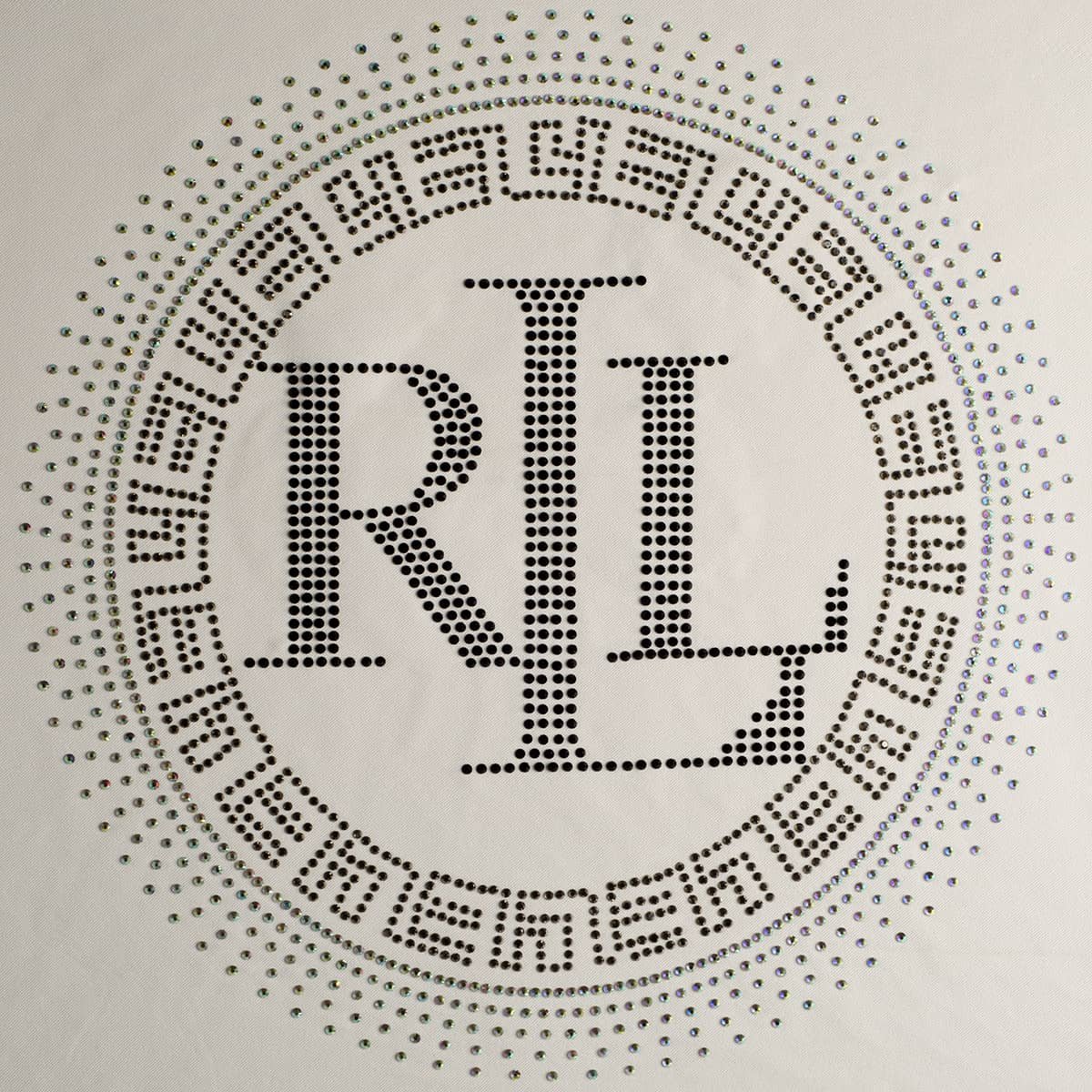
Fine rhinestone heat-transfer sample
Product reference image; confirm your own artwork, material, and placement in a sample.

Sample protocol

Separate artwork approval from press approval

Artwork may be correct while the applied result is not. Plan a two-stage sign-off: inspect the loose transfer at physical size, then inspect it after application to the actual fabric using the equipment intended for the order.

  1. STEP 1

    Before pressing

    Check orientation, stone positions, carrier edge, and whether small lettering remains readable at normal viewing distance.

  2. STEP 2

    After pressing

    Inspect alignment, missing stones, local fabric marks, and adhesion after cooling; note the exact garment and machine used.

  3. STEP 3

    After care

    Apply the care process relevant to that garment and document the result before treating the settings as approved.

Do not copy a press setting from another fabric as though it were a universal specification; preserve the tested garment and process together.

What to decide

Build a brief that can be tested

01

Start with the press surface

Describe garment material, panel shape, seams, pockets, and prints near the design. A flat center-chest panel is a different application problem from a sleeve or curved cap. Request a sample or process recommendation matched to the actual substrate.

02

Review small details

Tiny lettering and close stone spacing can become difficult to inspect at production scale. Request an artwork proof at physical size, then compare it at the intended viewing distance. Simplifying a detail may help more than enlarging the whole motif.

03

Document the acceptance test

Decide who checks alignment, adhesion, and appearance after the expected care cycle. Record approved press settings with the sample, but treat them as specific to that fabric and equipment, not a universal recipe.

Bring to the inquiry

  • Physical artwork size
  • Garment sample or fabric specification
  • Placement and nearby seam details
  • Press method and inspection criteria
Wholesale Inquiry

Request a Bulk Quote

Send your artwork, quantity, destination, and specifications for a tailored quote.

By submitting, you agree to our privacy policy.