Lock the cap style
State crown profile, fabric, closure, and colorways. Test the fit and front-panel appearance on a physical sample; a photo of a different blank can misrepresent the scale of the embellishment.
Source finished rhinestone hats with a defined cap body, decoration placement, colorway matrix, and handled sample.
Buyer perspective
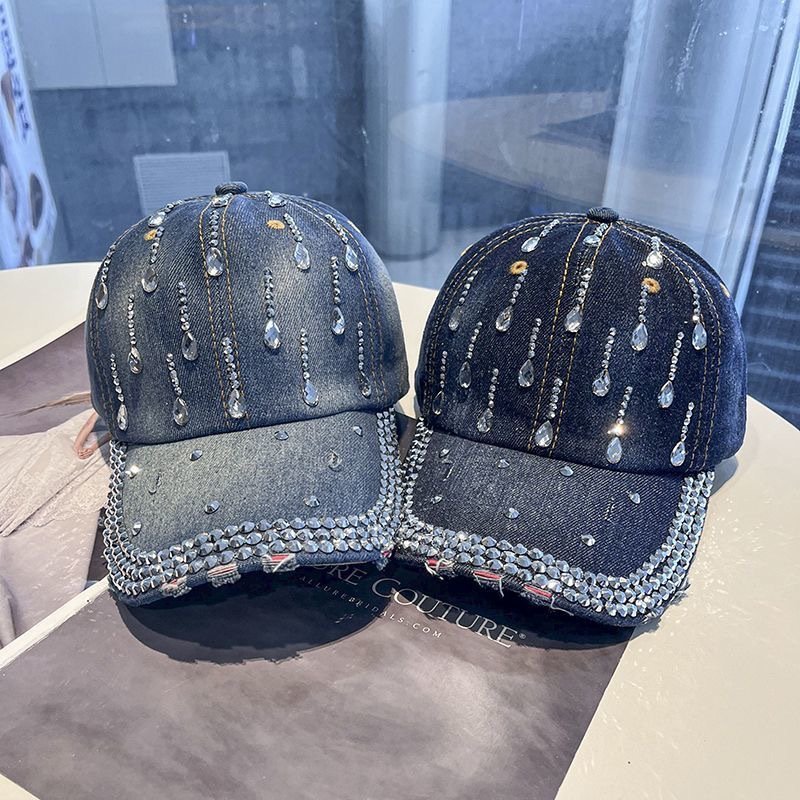
Finished rhinestone headwear combines the cap body and its decoration into one sellable item. Crown structure, panel seams, closure, and brim shape affect both fit and where stones can be placed. Approve the decorated cap rather than a loose motif and a separate blank.
What to decide
State crown profile, fabric, closure, and colorways. Test the fit and front-panel appearance on a physical sample; a photo of a different blank can misrepresent the scale of the embellishment.
View the decoration front-on, from the side, and while the cap is worn. Check stones near seams and points where hands grip the crown or brim. Record the placement against stable cap features.
List each cap color and decoration variant as a separate SKU. Keep the approved body and artwork revision together so a reorder does not substitute one component while retaining the same product name.
Specification
A flat rhinestone mockup can conceal the crown seam, panel curvature, and visual distortion seen when a cap is worn. Measure the usable decoration area on the actual cap profile before approving motif width or placement.
Approve a decorated cap sample in the selected construction before treating the motif dimensions as production-ready.
Send your artwork, quantity, destination, and specifications for a tailored quote.
FAQ
State crown profile, fabric, closure, and colorways. Test the fit and front-panel appearance on a physical sample; a photo of a different blank can misrepresent the scale of the embellishment.
View the decoration front-on, from the side, and while the cap is worn. Check stones near seams and points where hands grip the crown or brim. Record the placement against stable cap features.
List each cap color and decoration variant as a separate SKU. Keep the approved body and artwork revision together so a reorder does not substitute one component while retaining the same product name.
A flat rhinestone mockup can conceal the crown seam, panel curvature, and visual distortion seen when a cap is worn. Measure the usable decoration area on the actual cap profile before approving motif width or placement.
Approve a decorated cap sample in the selected construction before treating the motif dimensions as production-ready.
If your team already sources the cap and controls application, a transfer-only program may be appropriate. Otherwise evaluate the complete decorated hat.
The Custom Rhinestone Hats: Wholesale Sample and Assortment reference gives its crown boundary as “Mark panel seams, eyelets, and the brim junction on a front-facing cap photograph.”. Use this item-specific entry when identifying your requested version and distinguish it from any changes to the Custom Rhinestone Hats: Wholesale Sample and Assortment production brief.
The Custom Rhinestone Hats: Wholesale Sample and Assortment reference gives its on-head view as “Compare the motif at normal distance on a worn or shaped cap, not only on a flattened front panel.”. Use this item-specific entry when identifying your requested version and distinguish it from any changes to the Custom Rhinestone Hats: Wholesale Sample and Assortment production brief.
The Custom Rhinestone Hats: Wholesale Sample and Assortment reference gives its application trial as “Verify that the chosen process contacts the curved surface evenly and does not disturb cap construction.”. Use this item-specific entry when identifying your requested version and distinguish it from any changes to the Custom Rhinestone Hats: Wholesale Sample and Assortment production brief.
Source finished rhinestone hats with a defined cap body, decoration placement, colorway matrix, and handled sample.