Textured patch guide

Chenille Patches: Texture, Edge, and Application

Evaluate chenille patches by pile appearance, border construction, small-detail limits, receiving surface, and attachment sample.

Buyer perspective

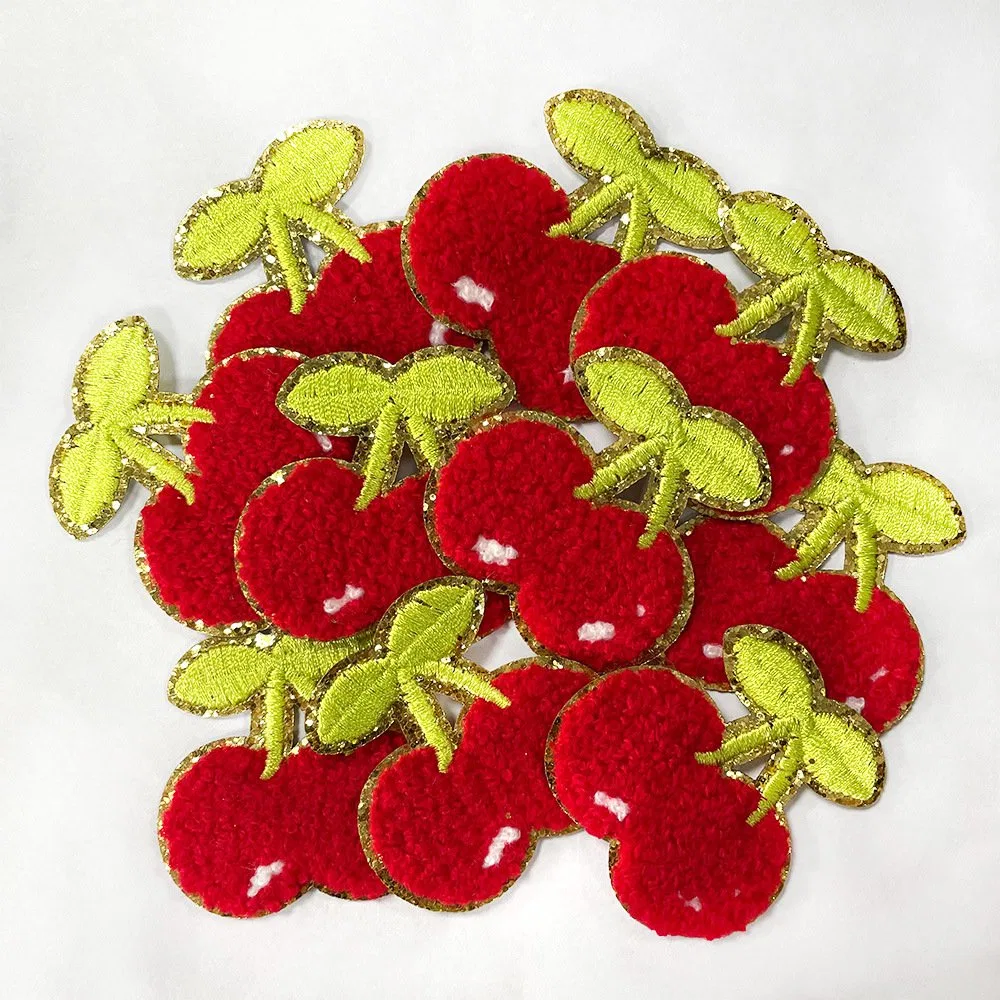
Chenille brings a soft, raised surface that reads differently from embroidery or rhinestones. The pile and border are part of the artwork, so a digital outline alone cannot approve the finished patch. The pictured cherry item is a specific reference; its backing should not be generalized to apparel orders.

Chenille cherry patch reference with a gold-colored border
Product reference image; confirm your own artwork, material, and placement in a sample.

What to decide

Build a brief that can be tested

01

Give texture room

Use bold areas for the chenille field and decide which details belong in another stitch or edge treatment. Inspect lettering at the intended size. Tiny counters and sharp corners may not retain the same definition as a flat printed mark.

02

Compare border treatments

Review the transition from fuzzy field to outer edge. Check border width, color contrast, and the finished silhouette on the chosen garment. A border can organize the motif but can also make a small patch feel crowded.

03

Confirm the attachment

State the receiving product and ask which backing or sewing option applies to the selected construction. Test the sample on the actual fabric and inspect pile appearance after the expected handling and care. Keep those observations with the reorder record.

Sample protocol

Inspect pile and perimeter in use

The chenille field and its border can change appearance under handling in ways a flat proof cannot show.

  1. STEP 1

    Fresh sample

    Review pile fullness, color, small-detail definition and border alignment at physical size.

  2. STEP 2

    Attached sample

    Apply the confirmed backing or sewing route to the actual receiving surface.

  3. STEP 3

    Handled sample

    Inspect the pile and edge after storage, normal contact and the relevant care process.

Keep the accepted physical sample, not merely a digital image, as the reorder reference.

Bring to the inquiry

  • Artwork and finished dimensions
  • Pile and border color direction
  • Garment and attachment request
  • Sample and care-review criteria
Wholesale Inquiry

Request a Bulk Quote

Send your artwork, quantity, destination, and specifications for a tailored quote.

By submitting, you agree to our privacy policy.

FAQ

Common questions

What should I check about give texture room before ordering Chenille Patches: Texture, Edge, and Application?

Use bold areas for the chenille field and decide which details belong in another stitch or edge treatment. Inspect lettering at the intended size. Tiny counters and sharp corners may not retain the same definition as a flat printed mark.

How should buyers compare border treatments for Chenille Patches: Texture, Edge, and Application?

Review the transition from fuzzy field to outer edge. Check border width, color contrast, and the finished silhouette on the chosen garment. A border can organize the motif but can also make a small patch feel crowded.

How should buyers confirm the attachment for Chenille Patches: Texture, Edge, and Application?

State the receiving product and ask which backing or sewing option applies to the selected construction. Test the sample on the actual fabric and inspect pile appearance after the expected handling and care. Keep those observations with the reorder record.

How should buyers inspect pile and perimeter in use for Chenille Patches: Texture, Edge, and Application?

The chenille field and its border can change appearance under handling in ways a flat proof cannot show.

What should I check about fresh sample before ordering Chenille Patches: Texture, Edge, and Application?

Review pile fullness, color, small-detail definition and border alignment at physical size.

What should I check about attached sample before ordering Chenille Patches: Texture, Edge, and Application?

Apply the confirmed backing or sewing route to the actual receiving surface.

What should I check about handled sample before ordering Chenille Patches: Texture, Edge, and Application?

Inspect the pile and edge after storage, normal contact and the relevant care process.

Which approval decision should a Chenille Patches: Texture, Edge, and Application quote record?

Choose chenille when its tactile field contributes to the design. If tiny linework is essential, compare embroidery or another process at the same finished size before ordering.

What does the Chenille Patches: Texture, Edge, and Application B2B brief help a wholesale buyer decide?

Evaluate chenille patches by pile appearance, border construction, small-detail limits, receiving surface, and attachment sample. Related reading: Chenille Patches.

When should a reader of Chenille Patches: Texture, Edge, and Application consult Custom Embroidery & Embroidered Patches Wholesale?

The Chenille Patches: Texture, Edge, and Application page links to Custom Embroidery & Embroidered Patches Wholesale for this related decision: request wholesale custom embroidery and embroidered patches for apparel, bags, caps, labels, and branded garment-accessory programs. Read that separate reference when its receiving product or buying question matches your own brief.

Contact Us